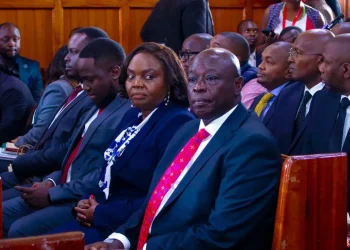
Members of the County Assembly (MCAs) play a crucial role in devolution and governance in Kenya. They are responsible for legislation, oversight, and representation at the county level.
🔹 MCAs are either:
✔ Elected representatives in charge of a Ward.
✔ Nominated representatives to represent women, youth, and persons with disabilities.
📌 Key Roles of MCAs in Kenya
1️⃣ Representing the Electorate
✔ MCAs act as a voice for their Ward residents in the County Assembly.
✔ They consult and collect public views, opinions, and proposals for county development.
✔ They prioritize Ward projects and ensure public participation in governance.
2️⃣ Legislating County Laws and Policies
✔ MCAs propose, debate, and pass county laws that regulate governance at the county level.
✔ They amend existing laws and develop policies affecting county operations.
✔ They play a role in budgeting and resource allocation through county fiscal policies.
3️⃣ Oversight on County Executive
✔ MCAs monitor the County Government’s performance and ensure efficient service delivery.
✔ They hold the Governor and County Executive accountable for policy implementation.
✔ They ensure county funds are used transparently and effectively.
✔ They oversee county projects and prevent mismanagement of resources.
4️⃣ Attending Assembly and Committee Sessions
✔ MCAs must actively participate in plenary and committee meetings.
✔ They deliberate on county matters, conduct hearings, and examine policy proposals.
✔ MCAs risk losing their seat if they miss eight consecutive sittings without valid reasons.
5️⃣ Providing Linkage Between the Public and County Government
✔ MCAs act as a bridge between the electorate and the County Government.
✔ They mobilize public participation in development projects.
✔ They facilitate civic education on the role of County Government and public service delivery.
✔ They assist in identifying priority projects in their Wards.
6️⃣ Utilizing Professional Expertise in Debates and Decision-Making
✔ MCAs apply their professional skills in discussions on governance and development.
✔ They should be informed about local, national, and global affairs affecting their counties.
✔ Their expertise is crucial in formulating impactful policies for county growth.
📌 What MCAs Should NOT Do
🔴 1. Perform Executive Functions
❌ MCAs cannot manage or implement projects directly.
❌ They cannot control public funds, including the Ward Development Fund (WDF).
❌ Their role is to allocate resources and oversee their implementation.
🔴 2. Deliver Services as County Officers
❌ MCAs are not county employees and cannot hire, fire, or manage county staff.
❌ They should not interfere with the County Public Service Board (CPSB) operations.
📌 Summary
✔ MCAs play a vital role in county governance through legislation, oversight, and representation.
✔ They ensure public participation, monitor service delivery, and hold the County Government accountable.
✔ However, MCAs should not interfere with executive functions or act as county employees.
🚀 MCAs are the link between the County Government and the people, ensuring grassroots development and accountability!