Buying land in Kenya is one of the smartest investment decisions you can make, but the process can be risky if you do not follow the correct legal steps. This guide explains each stage clearly so you can avoid fraud, confirm land ownership, and complete the purchase safely.
This full breakdown includes due diligence, land search, signing agreements, payments, transfers, and title deed processing. Whether you are buying from an individual, a company, or a land-selling firm, the steps remain the same and must be followed strictly.
Why Understanding the Process Matters
Land fraud continues to rise in Kenya, with multiple cases reported every year. According to the Ministry of Lands, many buyers lose their money because they skip formal verification steps. Knowing what to check protects you financially and legally.
This guide will help you:
- Verify that the seller is the true owner of the land
- Avoid double-allocated plots and forged title deeds
- Understand your rights as a buyer
- Navigate all legal documents involved in the purchase
- Know the correct fees and taxes to pay
Step 1: Identify the Land You Want to Buy
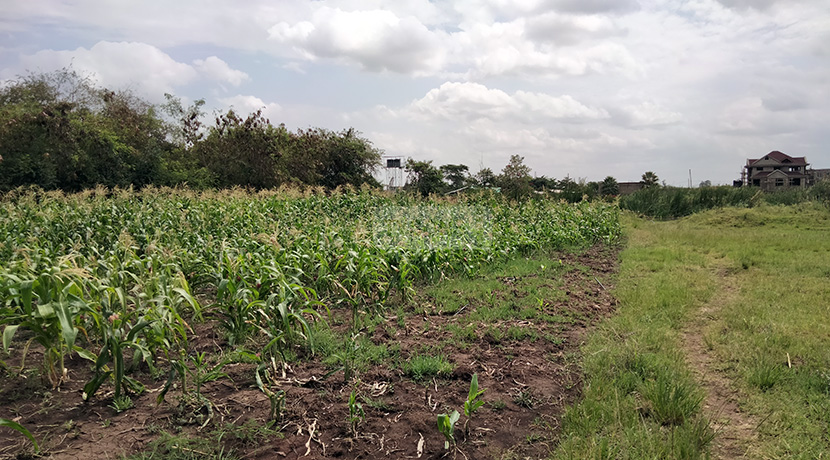
The first step is to view the land physically. Do not rely on maps, photos, or verbal descriptions. Visit the location in person, inspect the boundaries, and check nearby developments.
Key Things to Check During the Site Visit
- Access roads and ease of transport
- Proximity to schools, markets, and hospitals
- Availability of water and electricity
- Whether the land is fenced or clearly demarcated
- Soil quality (important for agricultural land)
- Whether the land is near a river, swamp, or high-risk flooding zone
You can also read our detailed location analysis guide to understand how to pick a high-value plot and predict future growth.
Step 2: Request a Copy of the Title Deed
Before any search or negotiation, ask the seller to send a clear copy of the title deed. This copy will allow you to conduct a land search and confirm whether it is genuine.
Types of Title Deeds in Kenya
- Freehold Title: Full ownership with no time limit
- Leasehold Title: Ownership for 33, 50, or 99 years, usually for urban plots
Be cautious if the seller refuses to give you a copy. That is a major red flag.
Step 3: Conduct a Land Search at the Lands Registry
A land search verifies the true owner and checks for issues such as disputes or caveats. You can do a search physically at the registry or through the eCitizen portal.
What the Land Search Report Shows
- Owner’s full name
- Title number
- Land size
- Registered cautions or caveats
- Charges (e.g., if the land is being used as collateral)
If the results differ from the title deed copy provided, cancel the transaction immediately.
For more details, see our eCitizen land search guide for step-by-step instructions.
Step 4: Conduct a Survey Verification
Hire a licensed surveyor to confirm the boundaries and ensure the land matches the measurements in the title deed. Many buyers skip this step and end up with smaller plots than promised.
Surveyor Tasks Include:
- Comparing ground boundaries with the RIM (Registry Index Map)
- Marking correct beacons
- Confirming land size accuracy
- Checking whether the land encroaches on roads or neighbour property
The survey map can be purchased from the Survey of Kenya office. You may also use our survey checklist tool to avoid missing important checks.
Step 5: Confirm the Seller’s Identity and Authority
Fraudsters often pretend to be landowners or agents. To stay safe:
- Ask for the seller’s ID copy
- Match ID details with the title deed name
- If the seller claims to be a representative, ask for a power of attorney
- For company-owned land, request CR12 and board resolution documents
You may also verify identity documents using official government channels for extra safety.
Step 6: Negotiate the Price
Once verification is complete, you can begin price negotiations. Land prices vary depending on location, amenities, infrastructure, and demand.
Tips for Negotiating Land Prices in Kenya
- Research average prices in the area
- Ask neighbours what similar land sells for
- Be willing to walk away if the price is suspiciously low
- Document all agreements in writing
This step is easier if you follow our land valuation and pricing guide for accurate price comparisons.
Step 7: Sign the Sale Agreement
A sale agreement is drafted by a lawyer and outlines the terms and conditions of the transaction. In most cases:
- The buyer pays the lawyer’s fees
- A 10% deposit is paid upon signing
- The balance is paid after title verification
What the Sale Agreement Must Include
- Full names of buyer and seller
- Land description and title number
- Purchase price
- Payment terms
- Completion period
A lawyer ensures the agreement protects your interests and complies with Kenyan property laws.
Step 8: Pay Stamp Duty
Stamp duty is a tax paid to the government before the title can be transferred. The rate depends on the location:
- 4%: Urban areas
- 2%: Rural areas
The property valuation is done by the government to determine the correct stamp duty amount. According to the Kenya Revenue Authority (KRA), payment must be made through iTax.
Step 9: Transfer of Ownership
Once stamp duty is paid, the lawyer prepares transfer documents and submits them to the Lands Registry. These documents include:
- Title deed copy
- Land search results
- Sale agreement
- Stamp duty receipt
- ID copies
- KRA PINs
- Transfer forms
The registry will process the transfer, cancel the old title, and issue a new one in the buyer’s name.
Step 10: Collect Your Title Deed
Once processing is complete, you will collect your new title deed from the Lands Registry or the relevant office, depending on the land location.
How to Confirm Your New Title is Valid
- Conduct an official land search using your name
- Confirm the title number matches the land you purchased
- Ensure the registry stamp and signatures are visible
Costs Involved When Buying Land in Kenya
Here is a simplified breakdown of expected costs:
- Land search: KSh 500
- Surveyor fees: KSh 10,000 – 30,000
- Lawyer fees: 1% – 2% of purchase price
- Stamp duty: 2% – 4%
- Title transfer fees: KSh 5,000 – 10,000
Common Red Flags to Avoid
- Sellers pushing for quick payment
- Prices that are too good to be true
- No access road or unclear boundaries
- Seller refusing to give ID or title deed copy
- Land being sold by “relatives” of the owner
Frequently Asked Questions
How long does it take to buy land in Kenya?
With proper documentation, the process takes 30–90 days. Delays happen if land search results or stamp duty processing take longer.
Is it safe to buy land sold by companies?
Yes, but you must verify company documents, CR12 records, and ensure you get your title deed—not just a certificate of ownership.
Can foreigners buy land in Kenya?
Foreigners can buy leasehold land but cannot own freehold land directly. Lease periods are typically 99 years.
What documents are needed to buy land?
You need a sale agreement, ID copies, KRA PIN, search results, title deed copy, stamp duty receipt, and land transfer forms.
How do I confirm if a title deed is real?
Conduct a land search on eCitizen, compare details with the title, verify seller identity, and physically inspect beacons with a surveyor.