



Tesla Stock Performance
Tesla stock performance in 2025 has been a rollercoaster of highs and volatility, with shares reaching record levels amid robotaxi optimism despite challenges in EV sales growth. As of mid-December 2025, TSLA closed near $490, marking its highest point since late 2024, driven by innovation and market hype.
This pillar guide delves into key trends, price movements, influencing factors, competitive landscape, and strategic insights, providing investors with a thorough understanding to navigate Tesla’s evolving position in the electric vehicle and tech sectors.
Overview of Tesla Stock in 2025
Tesla’s journey through 2025 has showcased resilience and innovation, positioning TSLA as a leader in the EV space despite broader market pressures.
As of December 18, 2025, Tesla shares trade around $475-$490, having surged 18% in the past month alone, fueled by robotaxi developments and strong quarterly deliveries.
Year-to-date, TSLA has gained significantly, outperforming many peers amid a shifting landscape in sustainable energy and autonomous tech.
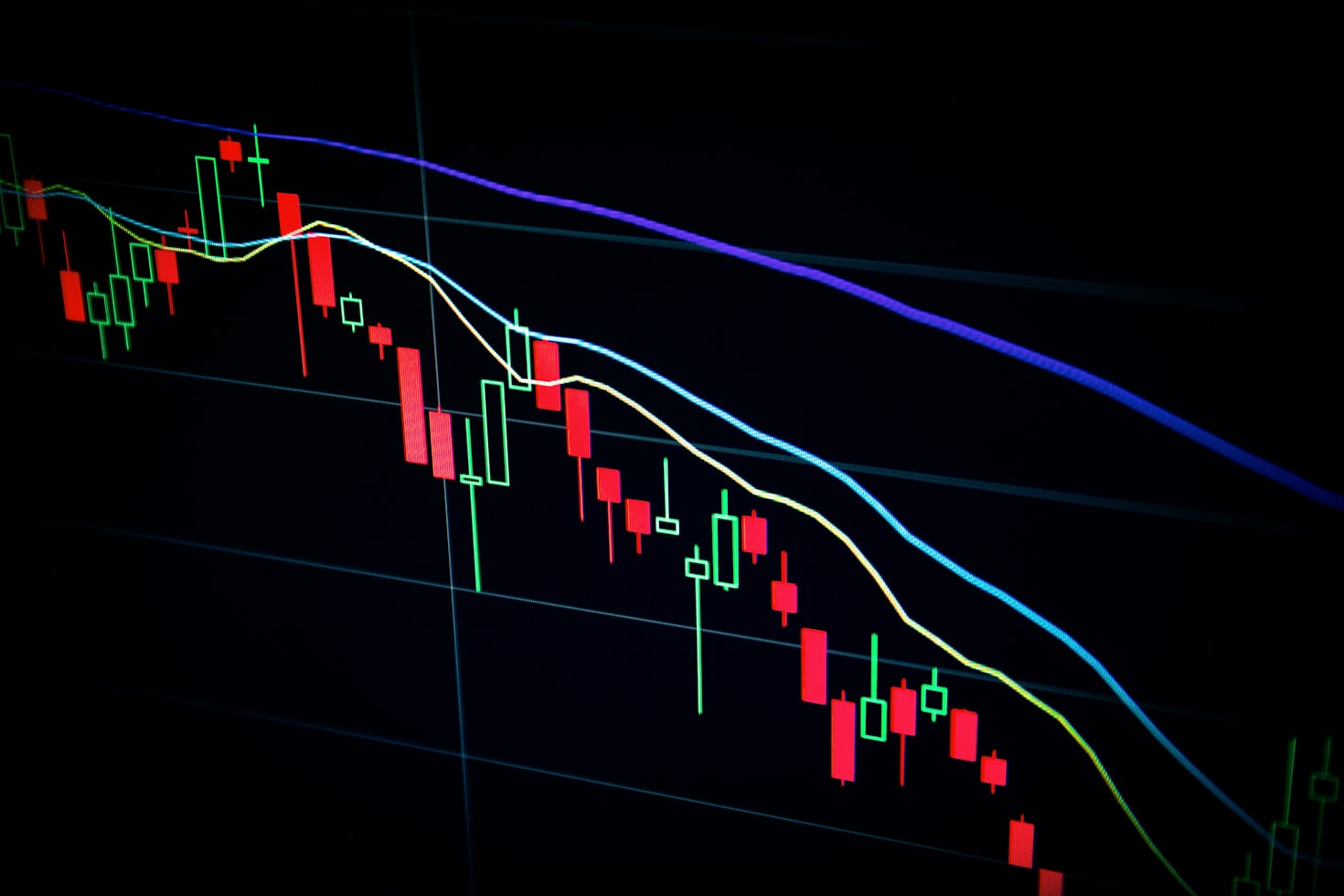
This performance reflects Tesla’s ability to capitalize on emerging trends while navigating supply chain and regulatory hurdles.
Historical Price Trends and Milestones
Tesla stock opened 2025 at approximately $350, building momentum through Q1 with strong delivery numbers exceeding expectations.
By mid-year, shares climbed above $400, driven by Cybertruck production ramps and energy storage advancements.
A key milestone came in December, when TSLA hit a record close of $489.88, surpassing previous highs from 2024.

Volatility spikes occurred around earnings reports, with Q3 results showing a 35% EPS drop year-over-year, yet revenue growth from energy products cushioned impacts.
Quarterly Performance Breakdown
Q1 2025: Shares rose 15% on record deliveries of over 500,000 vehicles, bolstered by China market recovery.
Q2: A 10% dip amid global EV slowdown, recovered by end-quarter with Full Self-Driving updates.
Q3: Flat performance, with focus shifting to robotaxi prototypes and battery tech advancements.
Q4: Surge to records, as robotaxi hype overshadowed slower EV sales growth.
Key Drivers Behind Tesla Stock Performance
Robotaxi and autonomous driving initiatives have been pivotal, with investor enthusiasm pushing shares higher despite execution risks.
EV sales, while down in some regions, remain robust, with Cybertruck contributing significantly to Q4 volumes.

Energy storage deployments hit new highs, diversifying revenue beyond automotive.
Elon Musk’s Influence
CEO Elon Musk’s announcements, including xAI integrations, have sparked rallies, though regulatory scrutiny adds volatility.

Market and Economic Factors
Broader tech trends, interest rates, and trade policies have shaped performance, with lower rates supporting growth valuations.
Challenges and Risks Impacting Performance
Competition from BYD and legacy automakers has eroded market share, with Tesla’s global EV share projected below 20% by year-end.

Supply chain issues for batteries and chips persist, alongside regulatory hurdles for autonomous features.
Valuation concerns linger, with TSLA trading at elevated P/E ratios compared to peers.
Comparison to Competitors
Versus BYD: Tesla leads in premium segments, but BYD outperforms in volume sales, with its stock up similarly YTD.
Rivian and Lucid lag in production scale, making Tesla’s efficiency a key advantage.
Legacy players like Ford and GM show mixed EV progress, often underperforming TSLA in stock gains.
Future Outlook for Tesla Stock
Analysts project median price targets around $386, suggesting potential downside, but optimists see $500+ on robotaxi success.
2026 catalysts include new model launches and energy megaprojects.
Risks include demand slowdowns and geopolitical tensions affecting supply.

Investment Strategies for TSLA
Long-term holders: Focus on diversification, using dips for accumulation.
- Monitor earnings for delivery guidance.
- Assess valuation metrics like P/E and EV/EBITDA.
- Incorporate options for hedging volatility.
- Track Musk’s initiatives via news.
- Balance with broader EV ETFs.
Explore our complete guide to stock market investing for core principles applicable to TSLA.
Use portfolio diversification tools to balance Tesla exposure.
Check AI investment strategies for tech overlap with Tesla’s autonomy focus.
Access stock charts resources for TSLA technical analysis.
Utilize investment calculator tools to model Tesla scenarios.
Learn from market analysis blog for ongoing EV insights.
For data, visit Yahoo Finance TSLA.
Read analyses at CNBC Tesla.
Explore SEC filings via SEC EDGAR.
Frequently Asked Questions
What is Tesla’s current stock price in December 2025?
As of mid-December 2025, TSLA trades around $475-$490, near record highs.
Why has Tesla stock performed well in 2025?
Robotaxi hype, strong deliveries, and energy growth have driven gains despite EV market challenges.
What risks face Tesla stock performance?
Competition, regulatory issues, and valuation concerns could pressure shares.
Is Tesla a good investment for 2026?
Long-term potential is strong in autonomy and energy, but monitor execution risks.
How does Tesla compare to EV competitors?
Tesla leads in innovation, but rivals like BYD excel in volume and cost efficiency.
What strategies for investing in TSLA?
Diversify, use dollar-cost averaging, and track key metrics for informed decisions.
Tesla stock performance in 2025 underscores its pivotal role in the EV revolution. With strategic planning, investors can capitalize on its growth trajectory.