Europe continues to offer some of the world’s most accessible higher education systems, with countries with no tuition fees in Europe attracting international applicants seeking quality degrees without massive debt. Public universities in nations like Germany, Norway, and Iceland often waive tuition entirely or charge only nominal administrative fees, even for non-EU students in many cases, while emphasizing research, innovation, and inclusivity.
These opportunities extend beyond Scandinavia and Germany to include Austria, the Czech Republic (for local-language programs), and others with minimal or conditional fees. While living expenses remain a key consideration—typically €800–€1,500 monthly—scholarships, part-time work rights, and strong post-study job markets make these destinations practical and rewarding for motivated applicants worldwide.
Why Europe Offers Tuition-Free or Low-Cost Education
Many European governments view higher education as a public investment rather than a private commodity. This philosophy leads to subsidized or fully funded public universities, benefiting domestic, EU/EEA, and often international students. Policies promote equality, attract global talent, and boost economies through skilled graduates.
While “no tuition” typically means no or very low fees (often €100–€500 semester contributions for services like transport and student unions), exceptions exist for certain programs or regions. English-taught options have expanded, especially at master’s level, making these countries viable for non-native speakers.
Real-world benefit: An engineering applicant from Asia might study in Germany tuition-free, gaining industry partnerships, or an environmental science student in Iceland could research glaciers without tuition barriers.
Top Countries with No or Minimal Tuition Fees
1. Germany
Germany leads with tuition-free public universities for all students, including internationals, except in Baden-Württemberg (€1,500/semester for non-EU) and select Bavarian programs. Only small semester fees (€150–€350) apply.
Top institutions include LMU Munich, Humboldt University Berlin, and RWTH Aachen. English master’s programs abound in STEM and humanities. Admission requires qualification recognition (via uni-assist/anabin), language proof, and motivation documents.
Example: Non-EU students thrive in research-focused environments with strong job prospects in tech and automotive sectors.
Discover essential pathways with this guide to study in Germany requirements.
2. Norway
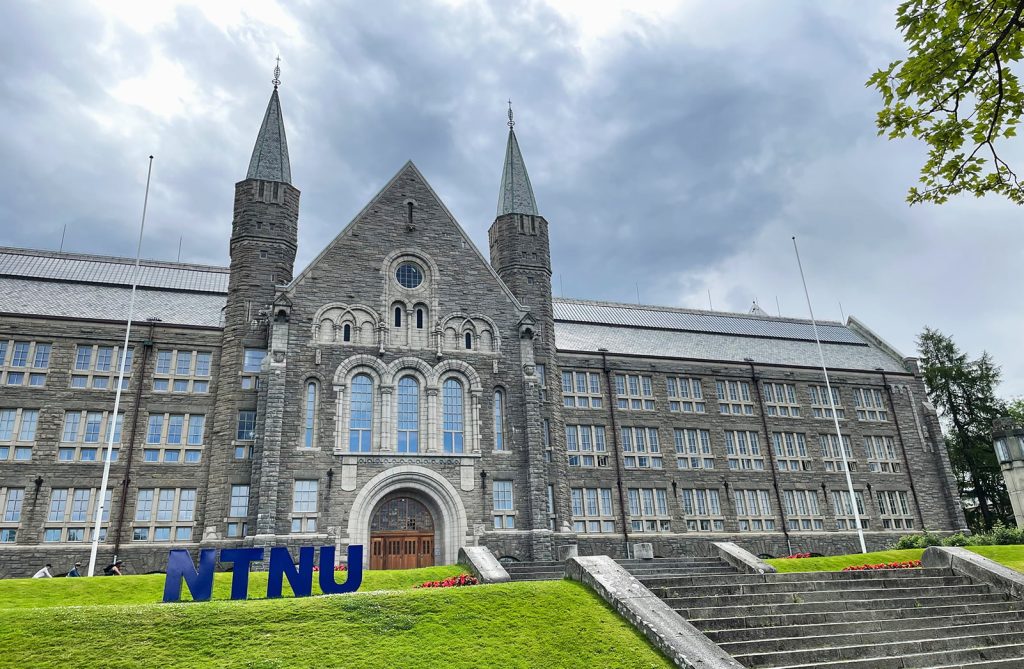
Norway’s public universities remain low-cost or effectively free for many, with PhDs tuition-free and flexible policies for bachelor’s/master’s in 2026. Semester fees are minimal (≈€55–€75).
Leading options: University of Oslo, NTNU, University of Bergen. English programs focus on sustainability, Arctic studies, and engineering. High living costs (€1,000–€1,400/month) are offset by part-time work.
Applicants prove funds for visas but benefit from innovative research and stunning natural settings.
3. Iceland
Iceland charges no tuition at public universities, only annual registration fees (≈€500). Public institutions like University of Iceland excel in renewable energy, geology, and environmental sciences.
English options grow, with Reykjavik offering a safe, creative hub. Living costs (€900–€1,200/month) suit focused students exploring geothermal labs.
.

4. Austria
Austria offers tuition-free education for EU/EEA students; non-EU pay ≈€750/semester—still very low. Universities like University of Vienna shine in arts, sciences, and social studies.
Many programs in German, but English master’s increase. Vienna’s cultural scene adds value.
5. Czech Republic
Programs in Czech are tuition-free for all; English programs low-cost or scholarship-covered. Charles University in Prague ranks highly with affordable living.
Language courses prepare internationals for free local-language degrees.
6–15+: Additional Options
- France: Low fees (€200–€600/year) at public universities; English programs growing.
- Slovenia: Free/low for Europeans; internationals ≈€5,000/year but scholarships available.
- Greece: Low fees (€1,500–€2,500/year) at public institutions.
- Poland: Affordable (€2,000–€4,000/year) with strong programs.
- Hungary: Low fees + Stipendium Hungaricum scholarships often cover costs.
- Portugal: Reasonable fees (€1,000–€3,000/year) and vibrant lifestyle.
- Latvia/Lithuania: Low tuition (€1,500–€6,000/year) in Baltic region.
- Finland: Fees for non-EU but generous scholarships waive them often.
These expand choices for applicants seeking variety in culture, language, and fields.
Application and Practical Tips for International Applicants
Apply via university portals or centralized systems (e.g., uni-assist in Germany). Prepare transcripts, language tests (TOEFL/IELTS/TestDaF), CV, and motivation letters. Deadlines vary—start 6–12 months early.
Visa requirements include admission proof, funds (€10,000–€12,000/year blocked account), and insurance. Part-time work (up to 20 hours/week) helps; scholarships like DAAD (Germany) or Erasmus+ support many.
Living budgets: €800–€1,200/month typical; student dorms and discounts reduce costs.
Frequently Asked Questions
Which European countries truly have no tuition fees for non-EU international students?
Germany (most states), Norway (PhDs and select programs), and Iceland offer no or minimal tuition; others like Austria and Czech Republic provide low/conditional free access.
Are English-taught programs available in these tuition-free countries?
Yes, especially master’s in Germany, Norway, and Iceland; bachelor’s options grow but may require local language.
What are the main hidden costs when studying tuition-free in Europe?
Semester/admin fees (€100–€500), living expenses (€800–€1,500/month), health insurance, and visa proof of funds.
How do I apply as an international student to these universities?
Use official portals, submit qualifications (recognized via ENIC-NARIC), language proof, and apply early for restricted programs.
Can international students work while studying in these countries?
Yes, typically 20 hours/week during term; full-time in holidays, helping cover living costs.
Are scholarships widely available for non-EU applicants?
Yes—DAAD in Germany, university-specific in Nordic countries, and Erasmus+ provide funding for tuition/living.