Kenya’s political landscape has undergone dramatic transformation following the death of Raila Odinga on October 15, 2025. The late opposition icon’s support for the Social Health Authority (SHA) and his alliance with President William Ruto once bridged deep divides, but today, the Orange Democratic Movement (ODM) faces intense internal wrangles over whether to deepen ties with the ruling United Democratic Alliance (UDA) or forge an independent path toward the 2027 elections.
These Raila Odinga SHA 2027 political realignments continue to dominate discourse, as ODM grapples with succession, legacy, and strategic choices amid ongoing SHA implementation and broader governance reforms.
The Legacy of the Ruto-Raila Alliance
The partnership between Raila Odinga and President William Ruto emerged from 2024 protests and evolved into a formal broad-based government arrangement. Raila endorsed key reforms, including SHA, framing cooperation as essential for national stability and progress.
President Ruto frequently highlighted that Raila would have pursued similar policies, including SHA, if he had won in 2022. This collaboration brought ODM figures into cabinet roles and focused on a 10-point agenda addressing taxation, housing, and healthcare.
Major Milestones of the Partnership
- 2024: Informal cooperation amid anti-tax protests and support for Raila’s African Union bid.
- March 2025: Formal MoU signed, leading to ODM inclusion in government.
- Throughout 2025: Raila publicly defended the alliance and SHA as non-partisan necessities.
SHA: The Cornerstone Reform Backed by Raila
The Social Health Authority (SHA), operational since October 2024, replaced the NHIF to advance universal healthcare through pooled contributions across three funds: Primary Healthcare, Social Health Insurance, and Emergency/Chronic Illness.
Raila Odinga strongly supported SHA, viewing it as vital for equitable access. Despite challenges like low subscription rates and operational issues, millions have enrolled, with government funding bolstering primary care.
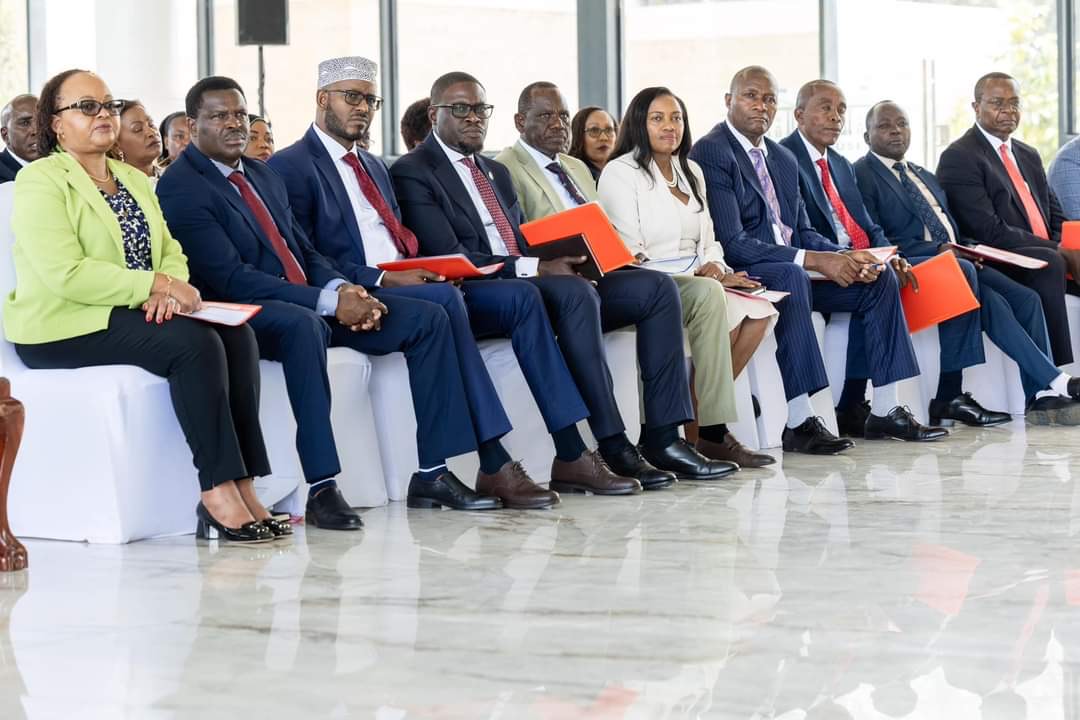
President Ruto at the rollout of SHA, a reform championed by Raila Odinga as part of bipartisan national development efforts.
As of 2026, SHA remains central to political debates, with successes potentially strengthening pro-government narratives ahead of 2027.
ODM in Turmoil After Raila’s Passing
Raila’s death has plunged ODM into profound crisis. The party, long centered on his leadership, now contends with factional battles over its future direction.
The pro-coalition group, led by Oburu Odinga, advocates continuing and formalizing ties with UDA, including potential pre-election support for President Ruto. Oburu has mandated negotiations, targeting completion by June 2026.
Opposing voices, including Edwin Sifuna, Godfrey Osotsi, James Orengo, and others, reject deeper integration, accusing the pro-Ruto faction of betrayal and warning against a “hostile takeover” of grassroots structures in Western Kenya.

Official portrait of the late Raila Odinga, whose legacy continues to influence ODM’s internal debates on alliances and 2027 strategy.
Potential Paths for ODM and 2027
- Deepened UDA-ODM coalition: Could create a dominant force, leveraging SHA progress and regional strongholds for Ruto’s re-election.
- Independent ODM candidacy: Revives opposition roots but risks vote fragmentation and reduced influence.
- Party fracture: Ongoing wrangles and calls for a National Delegates Convention could split the party, weakening both sides.
These divisions reflect broader questions about preserving Raila’s national vision amid personal ambitions and shifting power dynamics.
Challenges Ahead for Kenya’s Political Future
The alliance’s legacy faces risks from economic pressures, SHA rollout hurdles, and opposition fragmentation. Critics warn of one-party dominance, while supporters see it as fostering stability.
As 2026 unfolds as a defining year, the resolution of ODM’s internal conflicts will significantly shape voter choices in 2027 and Kenya’s long-term governance trajectory.
Frequently Asked Questions
When did Raila Odinga pass away?
Raila Odinga died on October 15, 2025, from cardiac arrest while receiving treatment in Kerala, India, at age 80.
What is the current status of SHA in Kenya?
SHA, launched in October 2024, continues to expand universal healthcare coverage, though it faces challenges with enrollment and operations as of 2026.
Why is ODM divided over the UDA alliance?
Factions disagree on whether to formalize a pre-2027 coalition with UDA or maintain independence, with debates centering on Raila’s legacy and party direction.
Who leads ODM after Raila Odinga?
Oburu Odinga serves as party leader, but internal wrangles involve key figures like Edwin Sifuna and Godfrey Osotsi challenging the direction.
How might these realignments affect the 2027 elections?
A strong coalition could bolster President Ruto, while ODM fragmentation might open opportunities for new opposition forces or lead to unpredictable outcomes.
What role did Raila play in SHA support?
Raila publicly backed SHA as a critical reform, collaborating with Ruto to prioritize healthcare amid broader bipartisan efforts.