Forex trading, or foreign exchange trading, involves buying and selling currencies in a global marketplace. For beginners in Africa, the forex market can be a lucrative opportunity if approached cautiously and strategically.
This guide explains how to start forex trading safely, focusing on reliable brokers, risk management, trading strategies, and tools to help you succeed without exposing your capital to unnecessary risks.
What is Forex Trading?
Forex trading is the act of exchanging one currency for another to profit from fluctuations in exchange rates. Unlike stocks, forex trading occurs 24/5, providing opportunities for traders across different time zones.Best Cryptocurrencies to Invest in 2025: Expert Guide
Key Terms for Beginners
- Currency Pair: The two currencies being traded, e.g., USD/KES.
- Lot: A standard trading unit size.
- Leverage: Borrowing funds to increase trade size.
- Spread: Difference between buy and sell price.
- Margin: Capital required to open a leveraged position.
Step 1: Choose a Reliable Forex Broker
Choosing the right broker is critical to trading safely. Consider these factors:
- Regulation: Ensure the broker is licensed by reputable authorities like CMA Kenya, FSCA South Africa, or international regulators.
- Trading Platform: Look for user-friendly platforms like MetaTrader 4, MetaTrader 5, or cTrader.
- Customer Support: Responsive support is essential for resolving issues quickly.
- Spreads and Fees: Compare spreads, commissions, and withdrawal fees.
Step 2: Understand Currency Pairs and Market Dynamics
Learn how currency pairs behave. Major pairs like EUR/USD and USD/JPY are more stable, while exotic pairs may be volatile. Analyze market trends using technical and fundamental analysis for better decision-making.
Technical Analysis
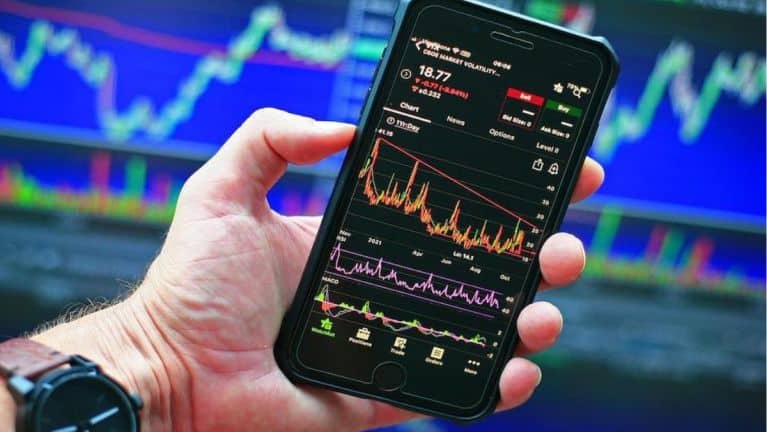
Use charts, indicators, and patterns to predict price movements. Common tools include moving averages, RSI, MACD, and candlestick patterns.
Fundamental Analysis
Focus on economic indicators such as inflation rates, GDP growth, and interest rates that affect currency values.
Step 3: Practice with a Demo Account
Before risking real money, open a demo account. Most brokers provide virtual funds to practice trading strategies, understand platform mechanics, and test risk management techniques.
Step 4: Implement Risk Management Strategies
Risk management is key to surviving in forex trading:
- Start Small: Trade small amounts initially to limit potential losses.
- Use Stop-Loss Orders: Automatically close trades at a predefined loss limit.
- Diversify: Avoid putting all capital into one currency pair.
- Manage Leverage: High leverage increases risk; use cautiously.
Step 5: Develop a Trading Plan
Create a structured trading plan that outlines:
- Daily trading hours
- Entry and exit rules
- Profit and loss targets
- Review and adaptation strategies
Step 6: Continuous Learning
The forex market evolves constantly. Follow financial news, attend webinars, and read expert analysis to refine your trading skills. Reliable sources include Bloomberg and Investing.com.
Step 7: Avoid Common Beginner Mistakes
- Trading without a plan
- Ignoring risk management
- Overtrading and emotional trading
- Following unverified signals or tips
Frequently Asked Questions
Is forex trading legal in Africa?
Yes, forex trading is legal in most African countries when conducted through licensed brokers.
How much money do I need to start forex trading?
You can start with as little as $50, but it is recommended to begin with enough capital to manage risk effectively.
Can beginners make profits in forex trading?
Beginners can make profits by following structured learning, practicing with demo accounts, and applying disciplined risk management strategies.
What are the safest currency pairs for beginners?
Major currency pairs like USD/EUR, USD/GBP, and USD/JPY are more stable and suitable for beginners.
How can I avoid forex scams?
Trade only with regulated brokers, avoid schemes promising guaranteed returns, and verify all platforms before depositing funds.
Do I need to learn technical analysis?
Yes, understanding technical analysis helps predict market movements and improve trading decisions.