Two Distinct Living Worlds in Qatar 2026
Qatar’s workforce includes millions of expatriates, with lower-skilled roles often tied to employer-provided labour camp accommodation. These camps house construction, logistics, security, and service workers, usually in remote or industrial zones. In contrast, city apartments in Doha, Lusail, or Al Wakrah cater to mid- and high-level professionals, teachers, engineers, and families seeking urban convenience.
The choice is rarely yours alone — many entry-level contracts mandate camp living, while higher salaries unlock apartment options or allowances.
Housing Standards and Conditions in Labour Camps 2026
Under Ministry of Labour regulations (including Decision No. 18 of 2014 and ongoing updates), employers must provide accommodation meeting minimum health and safety specs. Key rules include:
- Minimum 6 square meters per bed in shared rooms
- Air conditioning and ventilation
- Separate toilets and showers per set number of residents
- Prohibition of basements or roofs for sleeping
- Regular inspections for hygiene and overcrowding
Real-world conditions vary by employer. Reputable companies offer 4-8 per room with bunk beds, Wi-Fi, kitchens, and laundry. Some camps include gyms, mosques, and canteens serving subsidized meals. However, reports from workers highlight challenges like occasional overcrowding, maintenance delays, and long commutes to sites (up to 1-2 hours by bus).
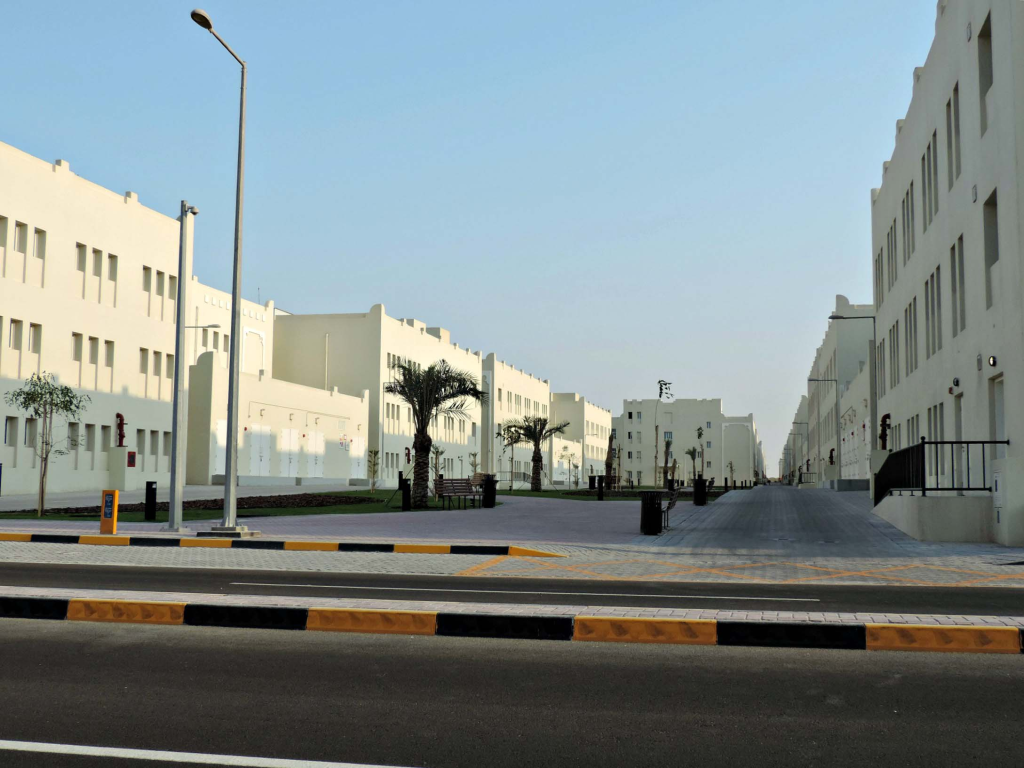
Improved shared rooms in compliant Qatar labour camps — basic but functional in 2026.
Daily Life and Amenities in Labour Camps
Life revolves around work schedules. Transport is company-provided, often early-morning buses. Shared kitchens mean cooking in batches or relying on camp cafeterias. Privacy is limited — rooms house multiple workers, and common areas foster camaraderie but reduce personal space.
Pros include zero rent, utilities covered, proximity to colleagues from similar backgrounds, and built-in support networks. Cons: noise, limited visitors, curfews in some camps, and isolation from city life.
City Apartments: Standards, Costs and Lifestyle 2026
City apartments offer independence. Options range from studios in older districts to luxury units in The Pearl or West Bay. Many employers provide housing allowances (QAR 2,000–6,000+ monthly for professionals).
Rent Breakdown 2026
- Studio/1-bedroom city centre: QAR 5,000–8,000/month
- 1-bedroom outside centre: QAR 3,500–5,500/month
- 2-3 bedroom family apartment: QAR 8,000–15,000/month
Utilities (electricity, water, internet) add QAR 300–800 monthly. Furnished units cost more but save setup expenses. Buildings feature pools, gyms, security, and parking — standard in mid-range compounds.

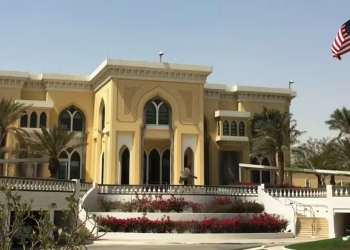
Typical expat city apartment in Doha — private, comfortable, and well-equipped.
Daily Life and Amenities in City Apartments
Freedom defines apartment living: cook what you want, host friends, explore malls, Souq Waqif, or beaches easily via metro or car. Proximity to international schools, supermarkets, and entertainment suits families and professionals.
Challenges include higher costs, traffic, and the need to manage bills independently. Many expats share to cut expenses or choose compounds with community events.
Cost Comparison: Labour Camp vs City Apartment
Labour camps: Essentially free (employer-covered), with minimal personal outlay beyond food/transport extras. Net savings boost remittances.
City apartments: Full rent responsibility unless allowance provided. A single professional might spend QAR 4,000–7,000 monthly on housing/utilities, eating into salary but gaining lifestyle perks.
For families, apartments become essential due to space and education access needs.
Other Key Differences: Commute, Social Life & Long-Term Prospects
Camps often mean longer commutes and work-centric routines. City living shortens travel and enables diverse social circles, expat groups, and cultural activities.
Long-term, many start in camps then transition to apartments with promotions or job changes. Qatar’s reforms support mobility, though sponsorship ties persist.
What New Expats Should Consider Before Deciding
- Review contract clauses on housing provision
- Research employer reputation via forums or networks
- Calculate total take-home pay after housing costs
- Factor in family status and visa sponsorship rules
- Plan for initial setup (deposits, furniture if apartment)
Official guidance: Check Ministry of Labour portal for accommodation standards.
Frequently Asked Questions
Are labour camps in Qatar still overcrowded in 2026?
Regulations cap beds and require space minimums, but enforcement varies. Compliant employers provide better conditions; reports show improvements since reforms, though some issues persist in lower-end setups.
Do employers always provide free accommodation in labour camps?
Yes for most blue-collar roles. If not provided, employers must pay minimum housing allowance (QAR 500/month) plus food allowance (QAR 300/month) under current laws.
How much does a city apartment cost for a single expat in 2026?
Expect QAR 4,000–7,000 monthly for a 1-bedroom (including utilities), depending on location and furnishing. Allowances often cover part or all for qualifying professionals.
Can workers move from labour camp to city apartment easily?
It depends on job level, salary, and employer policy. Higher-skilled roles or promotions frequently include allowances for private housing.
Is life in labour camps safe and hygienic in 2026?
Standards mandate AC, clean facilities, and inspections. Most camps meet basics, with ongoing government efforts to enforce improvements and protect worker welfare.
Which is better for families — labour camp or city apartment?
City apartments are far preferable for families due to space, privacy, school access, and urban amenities. Labour camps are rarely suitable for dependents.
Make the right choice for your Qatar journey — review your contract carefully and connect with expat communities for real insights into 2026 living options.