What Happened: The Immediate Impact
QatarEnergy temporarily suspended LNG production operations following drone strikes reportedly linked to Iranian-backed forces. The incident targeted infrastructure associated with gas processing facilities, prompting safety protocols and an emergency shutdown.
While officials moved quickly to secure critical systems, the precautionary halt underscores the vulnerability of strategic energy infrastructure in high-tension regions.
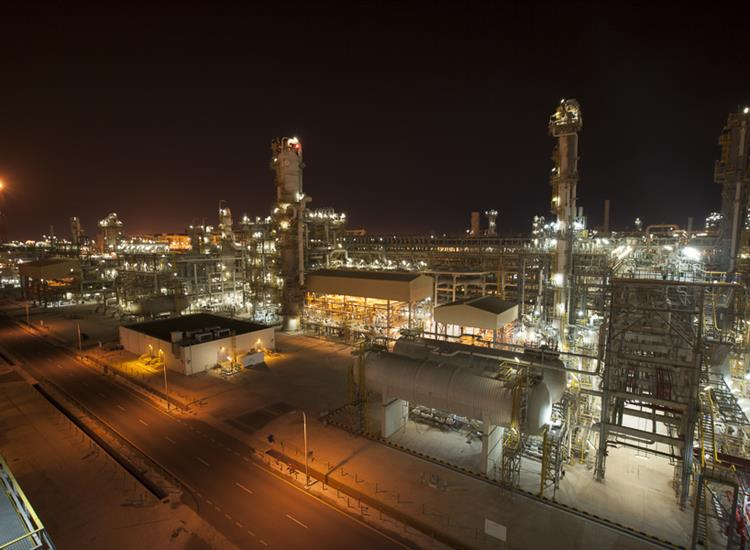
LNG infrastructure in Qatar plays a critical role in global energy supply chains.
According to reports from Reuters, energy traders reacted immediately, with LNG spot prices showing volatility within hours of the announcement.
Why Qatar’s LNG Production Matters Globally
Qatar is among the top three LNG exporters worldwide. Through long-term supply agreements, it provides critical gas shipments to:
- European Union member states
- Japan and South Korea
- China and India
Data from the International Energy Agency (IEA) highlights Qatar’s strategic importance in stabilizing post-Ukraine war European energy markets.
A prolonged disruption could:
- Increase global LNG spot prices
- Trigger supply shortages in Europe
- Force Asian buyers to seek alternative suppliers
- Raise shipping and insurance costs in the Gulf region
Geopolitical Context Behind the Drone Strikes
The Middle East remains a critical energy corridor. Escalating tensions between Iran and Western-aligned Gulf states have increased the risk of asymmetric attacks, including drone and missile strikes targeting infrastructure.
The Strait of Hormuz, through which nearly 20% of global oil and significant LNG shipments pass, remains a strategic chokepoint. According to the U.S. Energy Information Administration (EIA), disruptions in this corridor historically lead to rapid market instability.
Security analysts warn that energy assets, including LNG liquefaction facilities, storage terminals, and export ports, are increasingly viewed as leverage points in geopolitical conflict.
Economic Consequences for Qatar
Energy exports form the backbone of Qatar’s economy. LNG revenue supports national infrastructure, sovereign wealth investments, and domestic development programs.
A short-term production pause may not cause structural damage. However, extended downtime could impact:
- Government revenues
- Investor confidence
- Credit ratings
- International supply contracts
QatarEnergy has invested billions in expanding North Field production capacity, aiming to increase LNG output significantly over the coming years. A disruption at this stage complicates expansion timelines.
Impact on Global Immigration and Labor Markets
Energy market disruptions often have indirect migration effects. Rising fuel costs increase living expenses worldwide, particularly in import-dependent economies.
In extreme scenarios, economic instability can contribute to migration pressures. Individuals considering relocation should understand essential knowledge before starting the asylum process to prepare for legal and documentation requirements.
While the current situation does not indicate mass displacement, energy-driven economic strain historically influences global mobility patterns.
How Europe and Asia Are Responding
European Contingency Planning
European governments have increased LNG storage reserves since 2022. Strategic reserves may cushion short-term supply interruptions.
Policymakers are accelerating renewable investments and diversifying suppliers, including the United States and Norway.
Asian Buyers Adjusting Contracts
Asian utilities often rely on long-term contracts with QatarEnergy. Temporary shutdowns could activate force majeure clauses or renegotiations.
Energy security has become a board-level priority for corporations and governments alike.
Security of Foreign Nationals in Qatar
Foreign workers and expatriates form a large portion of Qatar’s population. Authorities have emphasized that critical infrastructure remains under enhanced security protocols.
Embassies typically issue advisories during regional escalations. Individuals considering educational pathways abroad may explore options such as study in Germany requirements for alternative long-term planning strategies.
At present, there is no indication of widespread civilian threat, though heightened vigilance remains advisable.
Energy Markets: What Happens Next?
Market outcomes will depend on three key variables:
- Duration of the production halt
- Extent of infrastructure damage
- Regional geopolitical escalation
If operations resume swiftly, price spikes may remain temporary. However, prolonged instability could drive structural shifts in LNG supply chains.
Insurance and Maritime Security Risks
Maritime insurers closely monitor developments in the Gulf. Elevated risk premiums can increase LNG shipping costs significantly.
Shipping firms may reroute vessels or delay departures pending security clearance. These logistical adjustments further contribute to market volatility.
Lessons from Previous Energy Disruptions
Historical precedents show that targeted energy infrastructure attacks often produce immediate price shocks but limited long-term supply collapse if repairs are rapid.
However, repeated incidents may erode investor confidence. Diversification of supply routes and energy portfolios remains central to global resilience strategies.
Frequently Asked Questions
Why did QatarEnergy shut down LNG production?
The shutdown followed reported drone strikes affecting infrastructure, prompting safety and precautionary measures.
How much LNG does Qatar supply globally?
Qatar is among the world’s top LNG exporters, supplying significant volumes to Europe and Asia through long-term contracts.
Will global gas prices increase?
Short-term price volatility is likely. Sustained increases depend on how long production remains halted.
Is Qatar safe for residents and expatriates?
Authorities report enhanced security measures. No widespread civilian threats have been announced.
Could this affect international migration?
Indirectly, economic disruptions can influence migration trends, but no immediate displacement impact has been reported.