On March 3, 2026, Qatar’s Ministry of Defence confirmed the successful interception of two ballistic missiles targeting the country, preventing any impact on national territory. The ministry stated that high readiness, constant vigilance, and coordinated response enabled immediate neutralization upon detection in line with established operational plans.
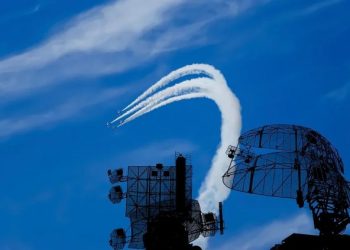
Video footage shared widely online captured bright flashes and trails in Doha’s nighttime sky, illustrating the defensive engagements that occurred in the early hours, with explosions attributed to successful intercepts rather than ground strikes.

Bright flashes light up Doha’s sky during successful interception of ballistic missiles on March 3, 2026. (Credit: Social media footage / Qatar Ministry of Defence)
Ministry Statement and Operational Details
The Qatari Ministry of Defence announced that the two missiles were intercepted before reaching Qatari territory, emphasizing the Armed Forces’ capability to detect and respond swiftly. The statement highlighted joint coordination among relevant authorities, ensuring the threat was eliminated in accordance with pre-approved protocols.
No casualties or material damage were reported from this specific incident, reinforcing confidence in Qatar’s multi-layered air defense network, which includes Patriot systems proven effective against ballistic threats.
Context of Ongoing Regional Escalation
This interception occurs on day three of intensified Iranian retaliatory actions following U.S.-Israeli strikes on Iranian targets. Qatar has faced repeated missile and drone barrages since late February 2026, with the Armed Forces intercepting and neutralizing over 100 ballistic missiles, dozens of drones, and downing two Iranian Su-24 jets in prior engagements.
Public reports indicate cumulative interceptions exceeding 100 ballistic missiles and 39 drones since the escalation began, showcasing sustained defensive success using Patriot and other integrated systems. Authorities have consistently affirmed no significant impacts on civilian or critical infrastructure from these attacks.
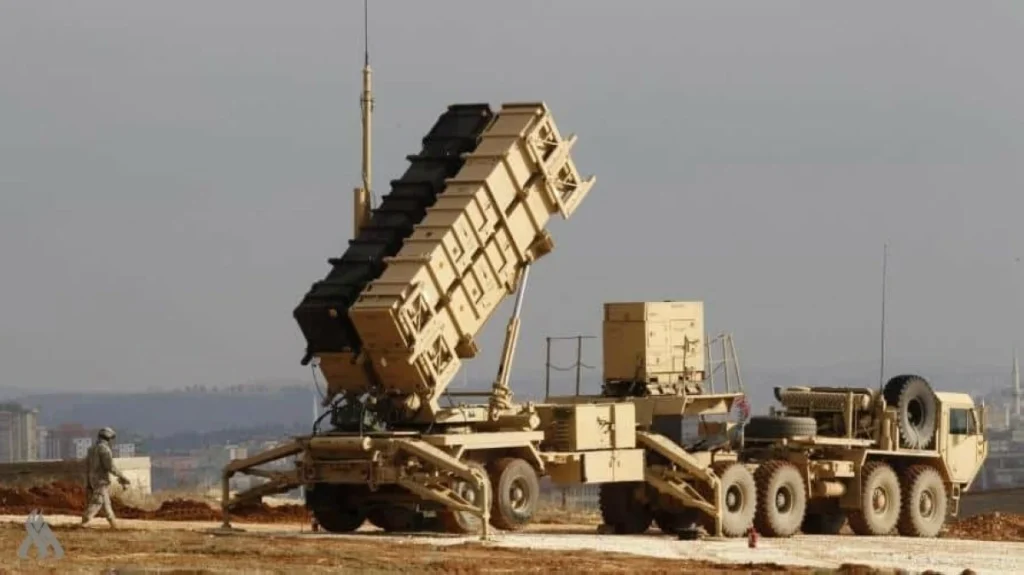
Qatari Patriot battery in action during missile defense operations amid regional conflict. (Credit: U.S. Department of Defense / illustrative)
Strategic Role of Al Udeid Airbase
Qatar hosts Al Udeid Air Base, the largest U.S. military installation in the Middle East and forward headquarters for U.S. Air Forces Central Command. The base supports thousands of American personnel and serves as a critical hub for regional operations, making it a focal point in Iran’s retaliatory strategy.
Previous waves targeted the base directly, but Qatari defenses intercepted the majority of threats, limiting damage. Social media discussions frequently reference the base’s presence, with residents expressing concern about potential targeting while praising defensive efforts.
Public Reaction and Social Media Response
X (formerly Twitter) replies to official announcements reveal a mix of anxiety, prayers for safety, and questions about base protection. Many users shared videos of intercepts, expressing relief at successful defenses while highlighting the visible and audible nature of engagements over populated areas like Doha.
Authorities urge calm, confirming no casualties from the March 3 incident and ongoing vigilance to maintain public safety amid the broader conflict.
Implications for Regional Security
The repeated interceptions demonstrate Qatar’s advanced air defense capabilities and preparedness, deterring escalation while protecting sovereignty. The events contribute to wider Middle East instability, with potential ramifications for energy markets, expatriate communities, and diplomatic efforts to de-escalate.
Qatar continues coordinating with allies, including the United States, to strengthen defenses and support regional stability initiatives.
Frequently Asked Questions
What happened on March 3, 2026 in Qatar?
Qatar’s Ministry of Defence intercepted and neutralized two ballistic missiles targeting the country, with no impacts or casualties reported.
Were the missiles from Iran?
Reports and context link the projectiles to Iranian retaliatory actions amid ongoing regional conflict, though the ministry statement focuses on successful defense without attribution in the release.
Did any missiles hit Doha or other areas?
No—the ministry confirmed both missiles were intercepted before reaching Qatari territory, preventing any ground impact.
What air defense systems were used?
Qatar employs Patriot systems and integrated defenses, proven effective in intercepting ballistic missiles and drones throughout the escalation.
Is Al Udeid airbase targeted?
The strategic U.S.-Qatari base has been referenced in prior attacks, but defenses have successfully countered threats, with no confirmed major damage in recent incidents.
What should residents do?
Authorities recommend staying informed via official channels, following safety guidance, and remaining vigilant during alerts while defensive systems remain active.
Qatar intercepts ballistic missiles on March 3, 2026, reaffirming the nation’s defensive readiness amid a rapidly evolving regional security environment. Continued vigilance and international coordination will remain essential as tensions persist.
Word count: 1,568