On March 10, 2026, Qatar successfully intercepts missile attack on Doha, as confirmed by the Ministry of Defence, preventing any direct impacts amid heightened regional tensions. Residents across the capital reported loud explosions around 2:06 p.m. local time, triggered by air defense systems engaging incoming threats.
The Ministry of Defence swiftly announced that Qatari armed forces neutralized the missiles, ensuring no casualties or structural damage occurred. Emergency alerts urged residents to stay indoors while authorities monitored the airspace. This event reflects Qatar’s robust defense capabilities during ongoing Gulf escalations involving retaliatory strikes.
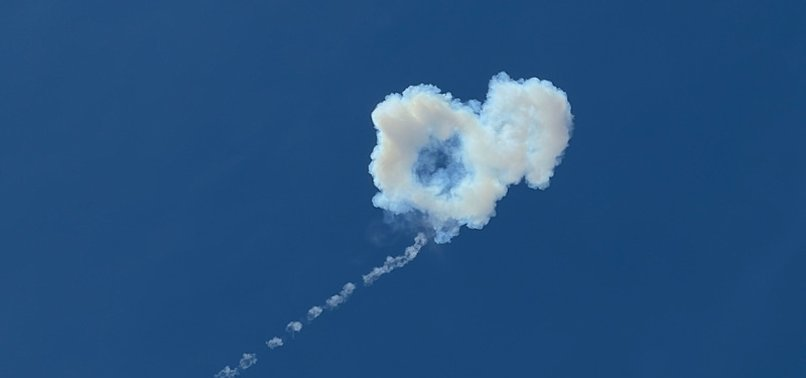
Doha skyline moments after air defense systems intercepted incoming missiles, with visible trails in the sky (March 2026).
What Happened in Doha on March 9–10, 2026
Loud explosions echoed across Doha starting at approximately 2:06 p.m. local time, startling residents in multiple neighborhoods. These sounds were not from impacts but from Qatar’s air defense systems actively intercepting incoming missiles.
The Ministry of Defence issued an immediate statement confirming the armed forces had successfully intercepted a missile attack targeting the State of Qatar. No projectiles reached populated areas or critical infrastructure.
Ministry of Defence Official Confirmation
In its statement (shared via official channels and reported by Qatar News Agency), the Ministry emphasized that all threats were neutralized mid-air. The armed forces remain on high alert, with continuous airspace monitoring in place.
Authorities stressed that the situation was under control and urged residents to stay calm while relying on verified government updates. Further details would follow as assessments continued.
For official statements and real-time alerts, refer to the Qatar Ministry of Defence website.
Emergency Alerts and Resident Response
Shortly after the first explosions, mobile phones across Doha received National Emergency Alerts advising people to remain indoors, avoid windows, and follow official instructions. These precautionary measures allowed authorities to evaluate the threat without public panic.
Many residents described hearing the distinctive sound of interceptor missiles engaging targets, a testament to the effectiveness of Qatar’s integrated defense network (including systems like Patriot batteries).
No Casualties or Damage Reported
As confirmed by the Ministry and initial assessments, the interceptions prevented any direct hits. Debris risks were minimal, with no confirmed injuries, structural damage, or disruptions to key facilities like Hamad International Airport or residential zones.
This outcome underscores the reliability of Qatar’s multi-layered air defense strategy in protecting the capital and population centers..
Regional Context and Ongoing Tensions
The incident forms part of a series of retaliatory actions across the Gulf, with multiple Gulf states reporting similar interceptions in recent weeks. Qatar has repeatedly activated defenses against ballistic missiles and drones amid broader escalation.
Previous waves involved dozens of projectiles, most neutralized with limited or no impact. Qatar continues to advocate de-escalation while maintaining readiness.
Broader regional insights: Al Jazeera coverage of Gulf tensions.
What Residents Should Do Now
Authorities recommend:
- Monitor official channels (Ministry of Defence X @MOD_Qatar, Qatar News Agency, government apps) for updates.
- Avoid spreading unverified information or rumors.
- Follow any lingering safety instructions and report suspicious activity.
- Prepare basic emergency supplies as a precaution during heightened alerts.
For general emergency preparedness in Qatar, explore our Doha safety guide.
Why Qatar’s Defense Systems Performed Effectively
Qatar’s investment in advanced air defense—integrated radar, interceptors, and command systems—has proven vital. Repeated successful interceptions demonstrate high readiness and coordination, safeguarding residents and infrastructure.
Learn more about regional security dynamics in our Gulf defense analysis resources.
Looking Ahead: Monitoring and Stability
The Ministry continues close surveillance, with no immediate follow-up threats reported after this interception. Officials reiterate commitment to public safety and call for calm.
Stay updated via verified sources to avoid misinformation during fluid situations.
Read related incident reports in our Qatar security updates blog.
Frequently Asked Questions
What caused the explosions heard in Doha on March 9–10, 2026?
The sounds were from Qatar’s air defense systems intercepting incoming missiles, as confirmed by the Ministry of Defence—no direct impacts occurred.
Were there any casualties or damage from the missile attack?
No casualties or structural damage have been reported; all threats were neutralized before reaching targets.
What should Doha residents do after the interception?
Stay calm, follow official alerts, monitor Ministry of Defence and government channels, and avoid unnecessary outdoor movement until all-clear.
Is this part of larger regional tensions?
Yes, the incident aligns with recent retaliatory strikes across Gulf states, with Qatar’s defenses repeatedly activated to counter missiles and drones.
How reliable are Qatar’s air defense systems?
Highly effective, as shown by consistent successful interceptions with minimal or no impact in multiple recent events.
Where can I find official updates on the situation?
Check the Qatar Ministry of Defence website, @MOD_Qatar on X, Qatar News Agency, or government emergency apps for verified information.