



The Qatar freelance and part-time work reforms 2026 mark one of the most significant updates to the country’s employment framework in recent years. Law No. 9 of 2026 amends the foundational Labour Law No. 14 of 2004 and, for the first time, creates an explicit legal category for part-time and freelance arrangements.
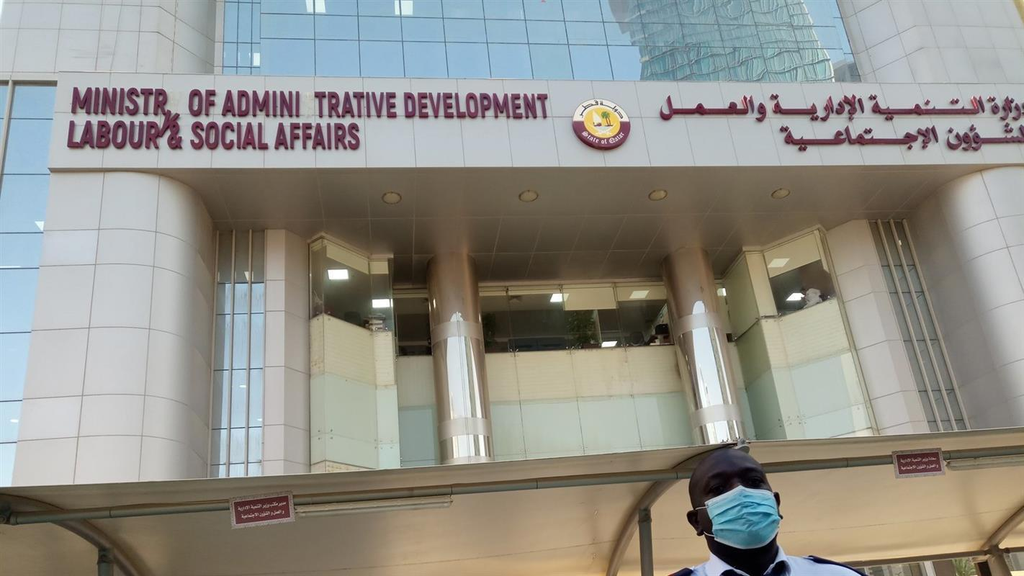
Qatar’s Ministry of Labour has introduced major reforms recognising flexible work models.
Why Qatar Introduced These Reforms
Officials have linked the changes directly to Qatar National Vision 2030. The goal is greater labour-market flexibility, improved competitiveness for businesses, and better alignment with how people actually work in a modern economy that includes platform-based and project-based roles.
Companies in events, hospitality, technology, creative services and retail often need specialised or short-term talent without the full cost and commitment of permanent sponsorship. At the same time, residents, students and skilled professionals have long sought legitimate ways to earn income outside a single full-time contract. The new law responds to both needs.
What the Law Actually Changes
Law No. 9 of 2026 does not immediately grant freelancers and part-time workers the full suite of protections that apply to conventional employees. Instead, it does something more foundational: it creates the legal category and empowers the Minister of Labour, through decisions of the Prime Minister, to issue dedicated regulatory frameworks and standard contract templates.
Part-time and freelance workers are currently excluded from the general scope of the Labour Law. However, the Council of Ministers may, on the Minister’s recommendation, extend some or all of those provisions or create entirely separate rules tailored to these models. This deliberate separation recognises that end-of-service gratuity, annual leave accrual and rigid working-hour limits do not always fit project-based or multi-client work.
Assistant Director of the Labour Relations Department, Yousuf Ali Abdulnour, has publicly confirmed that separate standard contracts will be developed for each model. These templates are intended to define rights and obligations clearly and reduce future disputes.
Key Elements of the Broader Reform Package
The freelance and part-time provisions form part of a wider set of changes. The main updates include:
- Legal recognition of part-time and freelance work with forthcoming dedicated frameworks and standard contracts.
- Professional licensing and vocational certification for designated occupations, requiring approved training and competency tests.
- Extended non-compete periods from a maximum of one year to two years, subject to Ministry approval; clauses become void if termination occurs during probation.
- Mandatory joint workplace committees for companies with 100 or more employees, with equal employer and worker representation.
- Stronger oversight of recruitment agencies, including tighter licensing and higher penalties for violations.
- Reinforced wage protection and expanded enforcement powers, including possible suspension of government services for non-compliant employers.
- Faster dispute-resolution mechanisms, including enhanced mediation and greater use of digital platforms.
- Mandatory health insurance as a practical precondition for work-visa issuance and renewal.
- Protection of end-of-service benefits through changes in company ownership, so accrued entitlements continue with the successor employer.
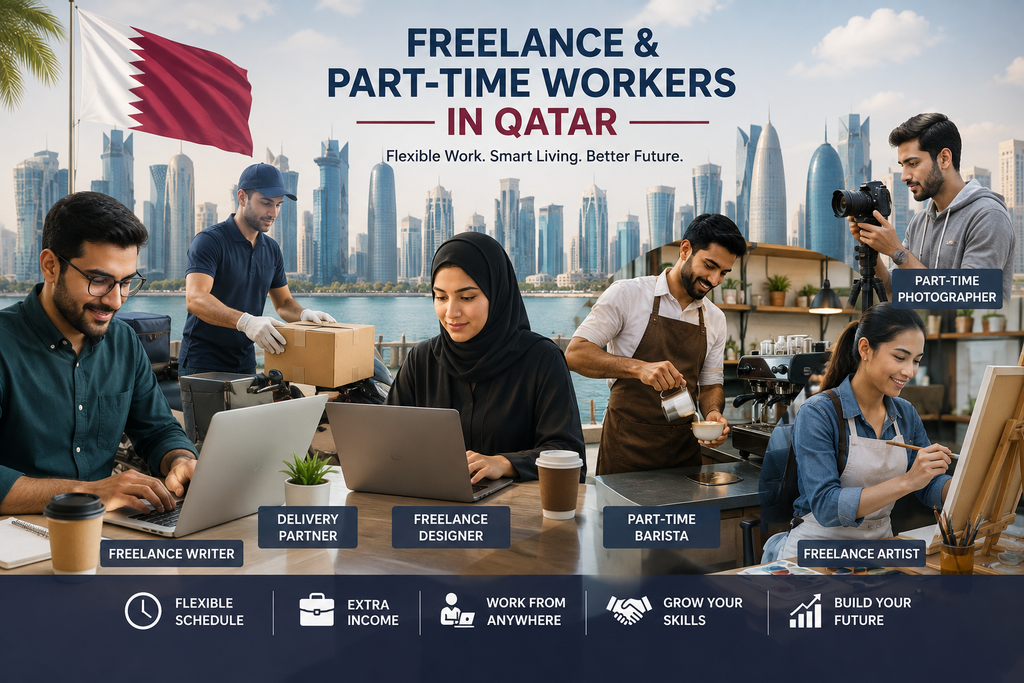
The reforms open formal pathways for platform, project-based and secondary work.
Implications for Workers
Residents who previously operated informally as designers, translators, tutors, consultants or platform workers now have an acknowledged legal pathway. Students and those seeking secondary income also stand to benefit once the detailed rules on hours, pay and documentation are issued.
Platform and gig workers, including delivery and ride-hailing participants, are implicitly covered by the law’s reference to emerging work models. However, claims circulating online about specific new visa categories, exact hour limits or automatic benefits should be treated with caution until the Ministry publishes the implementing decisions.
Implications for Employers
Businesses gain greater flexibility to engage specialised or short-term talent. Sectors with seasonal or project-based demand are expected to benefit most. At the same time, employers must not treat the new categories as compliance-free. Legal advisers recommend reviewing existing contracts, updating non-compete language, establishing joint committees where required, and monitoring forthcoming Ministry decisions before restructuring workforces.
Timeline and Next Steps
The Amir signed the law on 25 June 2026. Multiple reports indicate the amendments took effect around 1 July 2026. The primary legislation is now in force; the operational detail — contract templates, eligibility criteria, hour limits, licensing procedures and enforcement mechanisms — will follow in Ministry decisions and Council of Ministers resolutions over the coming months.
This staged approach is typical of major Gulf labour reforms: the law sets direction and grants regulatory power, while detailed rules are issued later. Anyone planning to formalise freelance work or hire part-time staff should treat the current period as the opening of a legal pathway rather than a fully operational system.
Frequently Asked Questions
When did the Qatar freelance and part-time work reforms 2026 come into force?
Law No. 9 of 2026 was signed on 25 June 2026 and took effect around 1 July 2026. Detailed implementing regulations are still being prepared.
Do freelancers now enjoy full Labour Law protections?
Not automatically. Part-time and freelance workers are currently excluded from the general Labour Law, but the Council of Ministers may extend protections or create separate rules.
Will there be standard contracts for freelance and part-time work?
Yes. Ministry officials have confirmed that separate standard contract templates will be issued for each model to define rights and obligations clearly.
Can students take part-time jobs under the new law?
The legal basis now exists, but the precise rules on eligibility, hours and documentation will be set out in the forthcoming implementing decisions.
What should employers do now?
Review employment practices, update contracts where needed, prepare for joint committees if employing 100 or more staff, and closely follow Ministry of Labour announcements on the detailed frameworks.
Are platform and gig workers covered?
The law explicitly references emerging and platform-based models, indicating they fall within the intended scope, subject to the specific rules still to be issued.
The Qatar freelance and part-time work reforms 2026 represent a genuine shift from a rigid single-employer model toward a more flexible labour market. By creating a statutory foundation for these arrangements and pairing it with stronger enforcement, faster dispute resolution and clearer worker protections in traditional employment, Qatar is recalibrating its system for both competitiveness and accountability.
Workers and employers should monitor Ministry of Labour announcements carefully in the months ahead. The legal switch has been flipped; the detailed operating rules that will determine how the new models function on the ground are the next critical step.