


Did You Know? Kenya is home to some of Africa’s most powerful and quietly influential business figures—many of whom operate behind the scenes shaping industries, politics, and regional trade.
The top business tycoons in Kenya 2026 are not just wealthy individuals. Instead, they are strategic power players controlling vast networks across banking, manufacturing, telecommunications, and real estate.
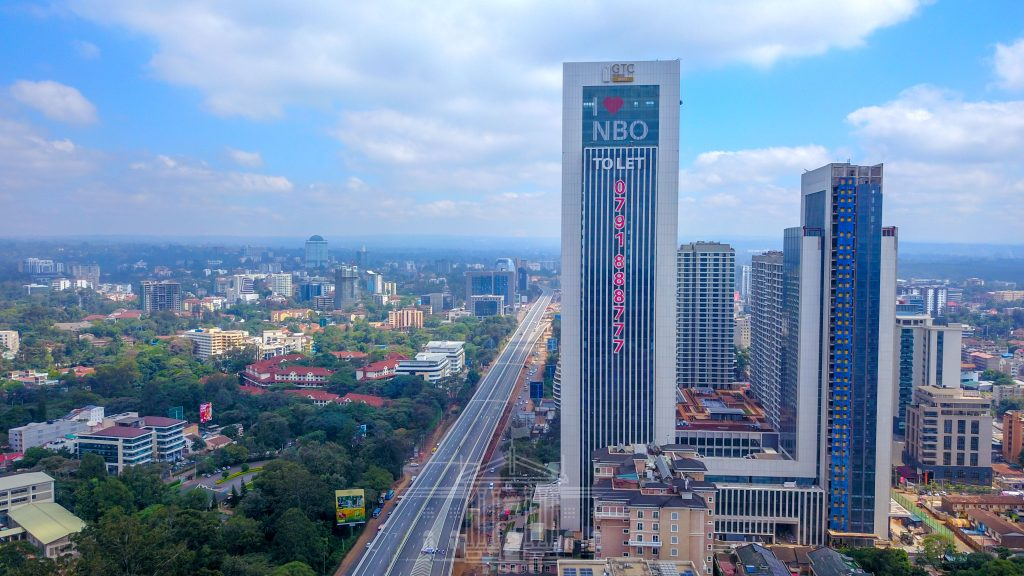
Nairobi remains the financial hub of East Africa
1. Manu Chandaria – Industrial Giant
Net Worth: Estimated $1.7 billion
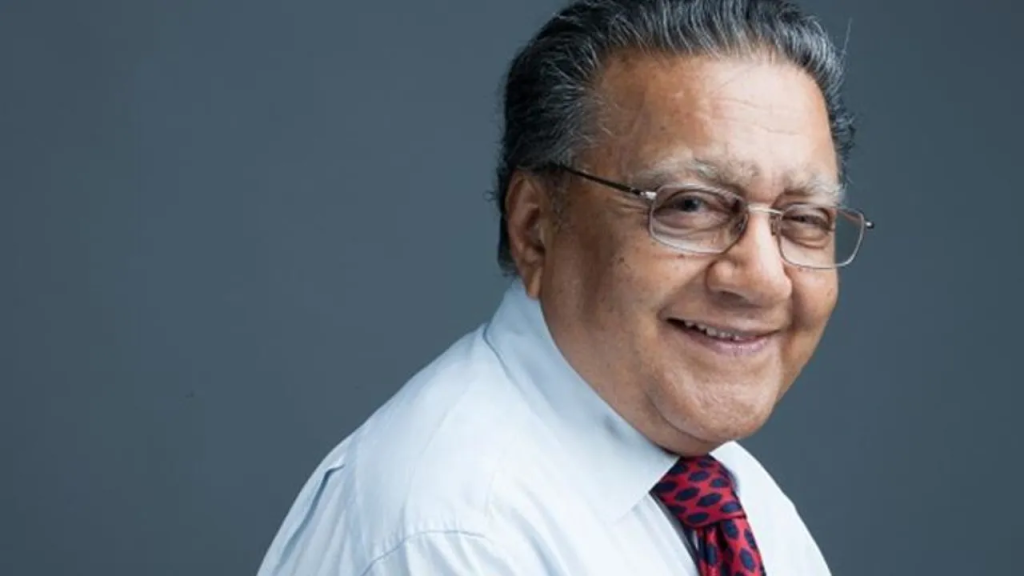
Manu Chandaria
Manu Chandaria is one of Kenya’s most respected industrialists. As the driving force behind the Comcraft Group, he has built a global manufacturing empire.
Moreover, his influence extends beyond business into philanthropy and policy advisory roles.
- Industry: Manufacturing & steel
- Influence: Global operations in over 40 countries
- Power Network: Corporate boards, international trade
2. Vimal Shah – Consumer Goods Leader

Net Worth: Estimated $700+ million
Vimal Shah, CEO of Bidco Africa, dominates the FMCG sector in East Africa. His company produces essential household products used by millions daily.
Additionally, his strategic expansion across Africa has strengthened his regional influence.

Manufacturing remains a key wealth driver for Kenyan tycoons
3. James Mwangi – Banking Powerhouse
Net Worth: Estimated $200+ million
As CEO of Equity Group Holdings, James Mwangi has revolutionized banking in Kenya by expanding financial inclusion.
Consequently, Equity Bank has become one of Africa’s leading financial institutions.
- Industry: Banking & finance
- Influence: Millions of customers across Africa
- Power Network: Financial institutions, policymakers
4. Narendra Raval – Steel and Cement King
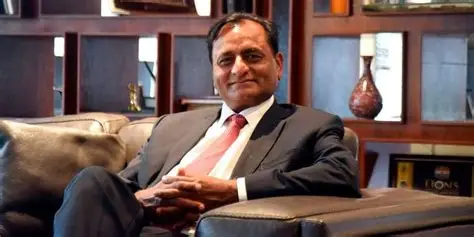
Net Worth: Estimated $400+ million
Narendra Raval, founder of Devki Group, controls major segments of Kenya’s construction materials market.
Furthermore, his investments in cement and steel have positioned him as a key player in infrastructure development.
- Industry: Construction materials
- Influence: Infrastructure supply chains
- Power Network: Government contracts, industrial sector
5. Peter Munga – Financial Services Pioneer
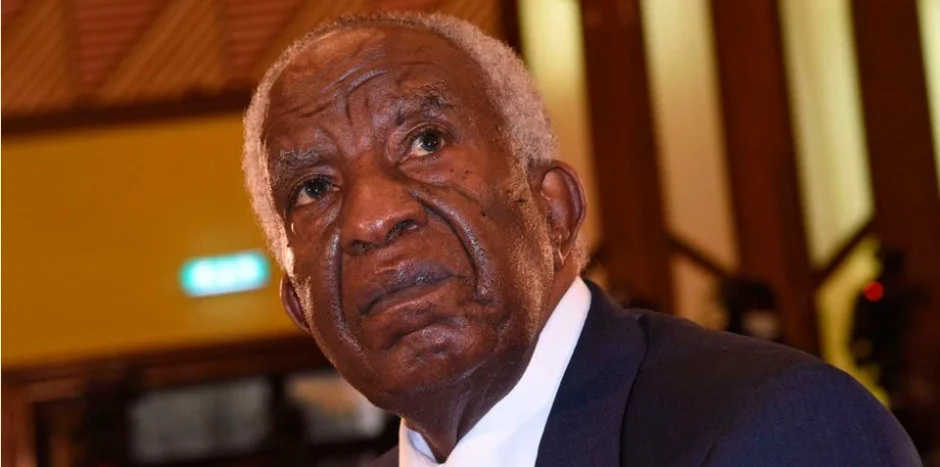
Net Worth: Estimated $300+ million
Peter Munga is a co-founder of Equity Bank and a significant figure in Kenya’s financial sector.
In addition, his investments span agriculture, real estate, and education.
- Industry: Banking & investments
- Influence: Rural and SME financing
- Power Network: Business alliances, community leadership

Kenya’s corporate leaders continue to shape East Africa’s economy
6. Naushad Merali – Telecom and Investment Mogul

Net Worth: Estimated $600+ million
Naushad Merali has built wealth through telecommunications and diversified investments.
His role in founding key telecom ventures helped transform Kenya’s digital economy.
- Industry: Telecommunications
- Influence: Tech and infrastructure
- Power Network: Corporate leadership, private investments
Hidden Power Networks Behind the Wealth
What sets these tycoons apart is not just their wealth—but their networks. These include:
- Political connections influencing policy
- Regional trade partnerships across East Africa
- Board memberships in major corporations
- Philanthropic foundations shaping public perception
Revealed Truth: In Kenya, influence often matters as much as capital.
Key Industries Driving Wealth in 2026
The most profitable sectors include:
- Banking and financial services
- Manufacturing and FMCG
- Telecommunications
- Construction and real estate
These industries continue to attract investment and generate billion-dollar opportunities.
Challenges Facing Kenyan Tycoons
Despite their success, these business leaders face several challenges:
- Economic fluctuations
- Regulatory changes
- Political uncertainty
- Global market pressures
Nevertheless, their adaptability has allowed them to remain dominant.
The top business tycoons in Kenya 2026 are more than just wealthy individuals. They are architects of economic growth, controlling industries and shaping the country’s future.
Final Insight: Their true power lies not only in their net worth but in the networks they command.
Stay informed: Follow more business and economic insights to understand how wealth and power evolve in Africa.
Frequently Asked Questions
1. Who is the richest person in Kenya in 2026?
Manu Chandaria is among the wealthiest, though rankings may vary.
2. Which industries dominate Kenya’s wealth?
Banking, manufacturing, telecom, and real estate are key sectors.
3. Are Kenyan tycoons involved in politics?
Many have indirect influence through networks and partnerships.
4. How do these tycoons build wealth?
Through diversified investments and strategic partnerships.
5. Is Kenya a major business hub in Africa?
Yes, Nairobi is a leading financial center in East Africa.
6. What challenges do they face?
Economic shifts, regulation, and global competition.