Norway continues to attract ambitious international students with its strong emphasis on research, sustainability, technology, and quality of life. For 2026, significant policy shifts are making education more accessible again, with many public universities able to waive or reduce tuition fees for non-EU/EEA students.
Why Study in Norway in 2026?
Norway ranks among the happiest and most innovative countries globally. Its higher education system emphasizes practical learning, critical thinking, and work-life balance. Public universities are research-intensive and collaborate closely with industry leaders in energy, marine technology, climate science, and IT.

Key advantages include English-taught programs, stunning natural surroundings, excellent student welfare, and strong post-study work opportunities. Norway also offers high safety standards and a welcoming environment for international students.
Tuition Fees in Norway for 2026: Moving Towards Affordability
Following recent policy changes, public universities in Norway have greater flexibility to set tuition fees. Many are expected to offer low or no tuition for international students starting in the 2026 academic year, with only a small semester fee (around NOK 1,000 / €90) required.
EU/EEA/Swiss students have always studied tuition-free. Non-EU/EEA students should check specific university websites, as some institutions are already signaling major fee reductions or waivers. Private institutions still charge higher fees.
Top Universities and Popular Programs in Norway
Norway’s leading institutions include:
- University of Oslo (UiO) – Top-ranked, strong in humanities, law, medicine, and social sciences
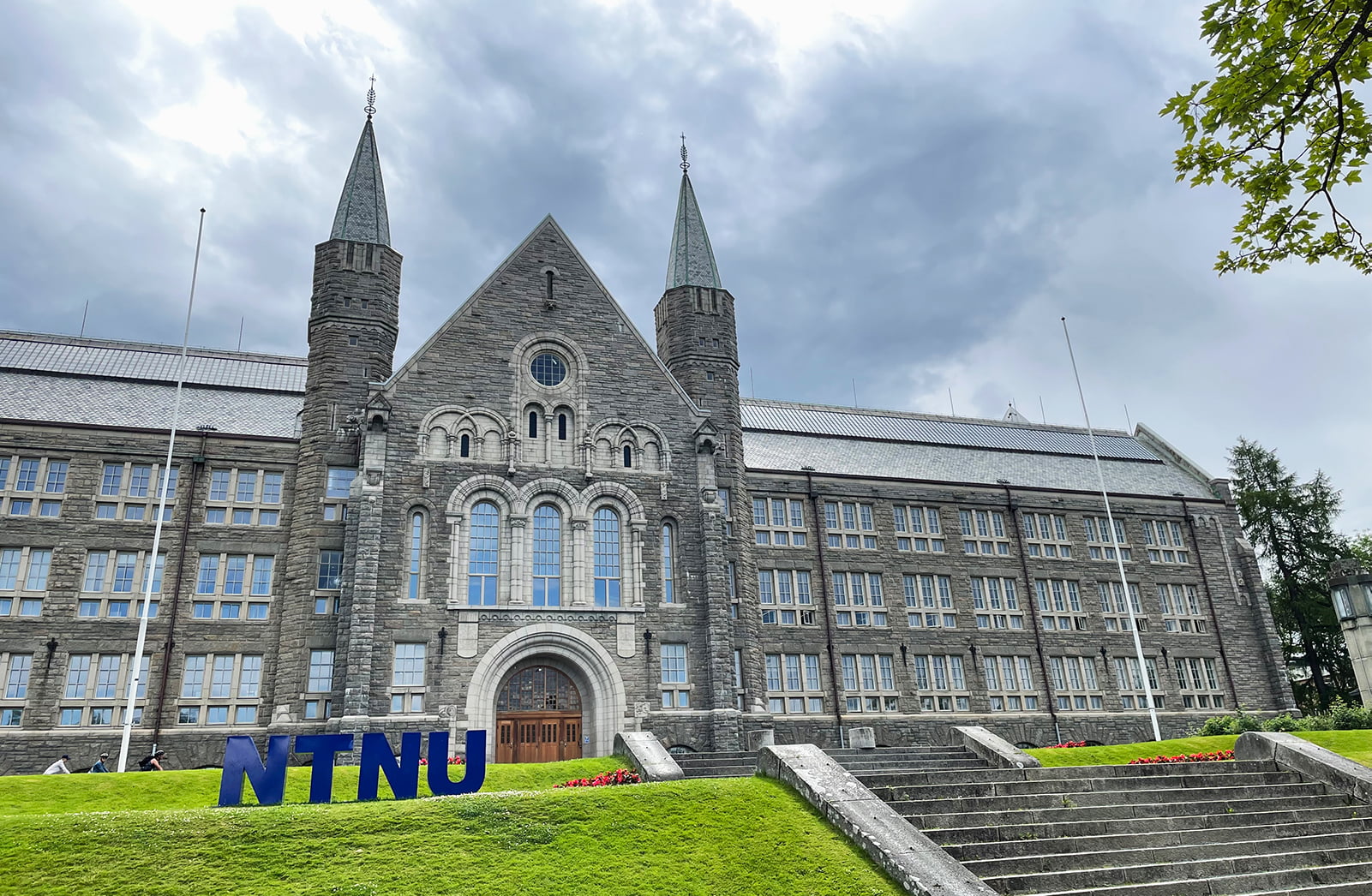
- Norwegian University of Science and Technology (NTNU) – Excellent for engineering, technology, natural sciences, and architecture
- University of Bergen (UiB) – Renowned for marine science, climate research, and psychology
- University of Tromsø – The Arctic University of Norway – Leading in Arctic studies, indigenous studies, and environmental science
- BI Norwegian Business School – Top choice for business, finance, and management
Over 350 English-taught programs are available, mostly at Master’s level, with growing options at Bachelor’s level.
Application Process for Norwegian Universities
Applications are handled through Samordna Opptak for Bachelor’s or directly via university portals for Master’s and PhD programs. Deadlines are typically December for autumn intake (main intake).
Required Documents:
- Academic transcripts and diplomas
- English proficiency (IELTS 6.0–6.5 or TOEFL equivalent)
- Motivation letter / Statement of Purpose
- CV
- Letters of recommendation (for Master’s/PhD)
- Passport copy
Norway Student Residence Permit (Study Permit) Requirements in 2026
Non-EU/EEA students need a study permit (residence permit) for stays longer than 90 days. You must first receive a letter of admission to a full-time program.
Key Requirements:
- Valid passport
- Admission letter from a recognized institution
- Proof of sufficient funds: Approximately **NOK 166,859–170,368 per year** (around €14,500–€15,000)
- Proof of accommodation
- Health insurance coverage
- Completed UDI application form
Funds can be shown via a Norwegian bank account, university deposit, or sponsor documentation. Processing time is usually 4–8 weeks. Apply from your home country via the Norwegian Directorate of Immigration (UDI).
Cost of Living in Norway for International Students
Norway has one of the highest costs of living in Europe. Monthly expenses typically range from NOK 12,000–18,000 (€1,050–€1,600), covering:
- Accommodation: NOK 5,000–9,000
- Food: NOK 3,000–4,500
- Transport: NOK 500–1,000 (student discounts available)
- Books and supplies: NOK 1,000
- Leisure and miscellaneous: NOK 2,000+
Student housing through SiO or other student welfare organizations is more affordable and recommended.
Work Opportunities and Post-Study Options
International students on a study permit can work up to 20 hours per week during semesters and full-time during holidays. After graduation, you can apply for a post-study work permit (up to 1 year) to seek employment.
Strong sectors include renewable energy, oil & gas, technology, maritime, and healthcare.
Frequently Asked Questions
Is education in Norway tuition-free in 2026?
Many public universities are expected to offer tuition-free or very low-cost education for international students in 2026 following recent policy changes. Always confirm with your chosen institution.
How much money do I need to show for a Norway student permit in 2026?
You must document approximately NOK 166,859–170,368 for one academic year to cover living expenses.
Can I study in Norway without knowing Norwegian?
Yes. Hundreds of programs are taught entirely in English, especially at Master’s level. Basic Norwegian skills are helpful for daily life but not mandatory for admission.
What is the best university in Norway for international students?
The University of Oslo and NTNU are among the most popular and highly ranked choices for international students.
How long does it take to get a Norwegian study permit?
Processing usually takes 4–8 weeks. Apply as soon as you receive your admission letter.
Can international students work while studying in Norway?
Yes, up to 20 hours per week during the semester and full-time during vacations, subject to permit conditions.
Final Tips for Success
Start your preparations early — research programs, prepare strong applications, and secure funding. Connect with current students through university international offices and official portals like Study in Norway for the latest updates. Norway rewards motivated, independent learners who value innovation and quality of life.
Studying in Norway in 2026 can be a life-changing experience combining academic excellence with unforgettable natural beauty.