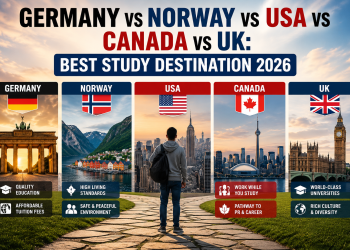


Studying in the USA in 2026 provides African students with access to top-ranked institutions, innovative programs, and strong industry connections. From Ivy League schools to public research universities, the United States offers unparalleled academic excellence and post-graduation opportunities.
Why Study in the USA in 2026?
The USA is home to over 4,000 accredited institutions and leads globally in fields such as STEM, business, medicine, artificial intelligence, and liberal arts. African students benefit from diverse campuses, cultural exchange, and extensive alumni networks that support long-term career growth.
Many universities actively recruit talented African students and offer dedicated support services for international applicants from Africa.
Top Universities Popular Among African Students
Popular choices include:
- Harvard University
- Massachusetts Institute of Technology (MIT)
- Stanford University
- University of California, Berkeley
- Howard University (HBCU)
- University of Michigan
- New York University (NYU)
Many African students also choose HBCUs for their strong community support and scholarship opportunities.
Application Process for US Universities
Most undergraduate applications are submitted through the Common Application or university portals. Graduate students apply directly to departments.
Key Steps:
- Research programs and deadlines (Early Decision, Early Action, Regular Decision)
- Prepare strong academic records and standardized tests (SAT/ACT for undergrad, GRE/GMAT for grad)
- Write compelling personal statements and essays
- Secure letters of recommendation
- Demonstrate English proficiency (TOEFL or IELTS)
Applications for Fall 2026 typically open in August–September 2025.
Financial Requirements and Scholarships for African Students
Tuition and living costs vary widely. Public universities average $25,000–$40,000 per year, while private institutions can exceed $60,000. Living expenses range from $12,000–$20,000 annually.
Scholarships for African Students:
- Fulbright Foreign Student Program
- Mastercard Foundation Scholars Program
- AAUW International Fellowships
- University-specific merit and need-based aid
- African Leadership Network scholarships
Strong academic records, leadership experience, and community involvement significantly improve scholarship chances.
USA Student Visa (F-1) Requirements in 2026
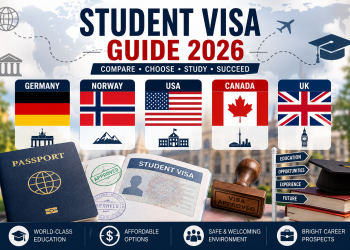
After receiving an I-20 form from a SEVP-certified institution, African students must apply for an F-1 visa at the US embassy or consulate in their country.
Required Documents:
- Valid passport
- Form DS-160 confirmation
- I-20 form
- Visa application fee receipt ($185+)
- Proof of financial support
- Academic transcripts and test scores
- Ties to home country (to show intent to return)
Visa interviews are crucial. Be prepared to clearly explain your study plans and post-graduation intentions.
Cost of Living and Student Life
Major cities like New York, Boston, and San Francisco are expensive, while Midwest and Southern universities offer more affordable living. Many students work on-campus (up to 20 hours/week) to gain experience and earn income.
Post-Study Opportunities
International students can apply for Optional Practical Training (OPT) for up to 12 months (36 months for STEM fields). This provides valuable US work experience before returning home or pursuing further opportunities.
Frequently Asked Questions
How can African students get scholarships to study in the USA in 2026?
Focus on programs like Fulbright and Mastercard Foundation. Highlight academic excellence, leadership, and community impact in your applications.
What is the F-1 visa success rate for African students?
Approval rates vary by country and individual profile. Strong ties to home country and clear academic goals improve chances significantly.
Can I work while studying in the USA on an F-1 visa?
Yes. On-campus employment is allowed, and off-campus work is possible after one academic year through CPT or OPT.
When should I start applying for Fall 2026 intake?
Begin preparations in early 2025. Most deadlines fall between November 2025 and March 2026.
Is TOEFL or IELTS required for African students?
Yes, unless your previous education was in English. Minimum scores vary by university.
What are the best fields for African students in the USA?
Popular fields include Computer Science, Engineering, Business, Public Health, Agriculture, and Data Science.
Final Tips for African Students
Start early, secure strong recommendations, and prepare thoroughly for visa interviews. Connect with current African students through university associations and platforms like EducationUSA centers in your country. With determination and proper planning, studying in the USA in 2026 can transform your future.