


Knowing how to understand your rights as a tenant in the USA is essential for protecting yourself from unfair practices involving evictions, security deposits, and necessary repairs. Tenant laws in the United States are primarily governed at the state and local level, with important federal protections layered on top.
Core Tenant Rights Across the United States
Tenant rights in the U.S. stem from a combination of federal, state, and local laws. The most important federal protection is the Fair Housing Act, which prohibits discrimination based on race, color, national origin, religion, sex, familial status, and disability.
Additional rights include the right to privacy, quiet enjoyment, and protection from retaliation when you assert your legal rights.
U.S. Department of Housing and Urban Development (HUD) – Fair Housing
Your Right to a Habitable Home and Landlord Repair Obligations
Most states recognize the implied warranty of habitability. This legal doctrine requires landlords to maintain rental properties in a condition fit for human living throughout the tenancy.
Key habitability standards generally include:
- Functional heating and air conditioning systems
- Hot and cold running water
- Working plumbing and electrical systems
- Secure doors and windows
- Freedom from rodent or insect infestations
- Compliance with local building and health codes
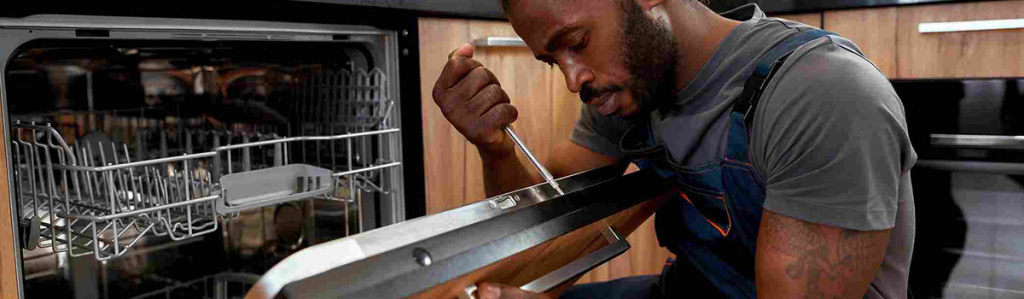
Landlords have a legal duty to make timely repairs to maintain habitability.
Step-by-Step Process for Requesting Repairs
- Document the Issue: Take clear photos and videos. Note dates and details.
- Provide Written Notice: Send a formal repair request via email or certified mail. Keep copies.
- Allow Reasonable Time: Emergency repairs (no heat in winter, major leaks) should be addressed within 24-72 hours. Non-emergencies typically require 7-30 days.
- Escalate if Necessary: Contact local housing authorities, file complaints, or use repair-and-deduct remedies where permitted by state law.
Detailed guide to repair and deduct options by state.
Security Deposits: Rules, Limits, and Return Procedures
Security deposits protect landlords against unpaid rent and excessive damage. However, tenants have strong protections regarding how deposits are handled.
Many states cap deposits at one or two months’ rent. Landlords must usually return deposits within 14 to 60 days after move-out, accompanied by an itemized statement of deductions.
Acceptable deductions include unpaid rent, damage beyond normal wear and tear, and required cleaning. Cosmetic issues like minor scuffs or paint fading are typically not deductible.
Download our comprehensive security deposit move-out checklist to maximize your chances of a full refund.
Eviction Process and Tenant Protections
Evictions must follow strict legal procedures. Landlords cannot use “self-help” methods such as changing locks, removing belongings, or shutting off utilities.
Common valid reasons for eviction include non-payment of rent, serious lease violations, and property damage. Tenants are entitled to proper written notice and an opportunity for a court hearing.
During the eviction process, you have the right to present defenses, such as the landlord’s failure to maintain habitability or retaliatory eviction.
Explore detailed state-by-state eviction rules.
Additional Tenant Rights and Protections
Right to Privacy
Landlords must generally provide reasonable notice (often 24 hours) before entering your home, except in true emergencies.
Protection from Retaliation
Landlords cannot raise rent, evict, or harass you for complaining about repairs, joining a tenants’ union, or exercising your legal rights.
Just Cause Eviction Protections
In certain cities and states (such as parts of California, New York, and Oregon), landlords may only evict tenants for specific “just cause” reasons after the initial lease term.
Read our state-by-state tenant rights comparison.
Practical Tips for All Tenants
- Always communicate with your landlord in writing.
- Keep detailed records of all interactions, payments, and repair requests.
- Know your local housing codes and tenant resources.
- Consider consulting free legal aid or tenant advocacy organizations if facing serious issues.
Frequently Asked Questions
Can a landlord evict me without going to court?
No. All states require landlords to follow formal court eviction procedures. Self-help evictions are illegal nationwide.
How long does a landlord have to return my security deposit?
Timelines vary by state but typically range from 14 to 60 days. Most require an itemized list of deductions.
What can I do if my landlord refuses to make repairs?
Send written notice, document conditions, and use available remedies such as repair-and-deduct, rent escrow, or code enforcement complaints.
Is there a legal limit on security deposit amounts?
Many states limit deposits to one or two months’ rent. A few states have no statutory cap.
Can I withhold rent if repairs are not completed?
In many states, yes — but you must follow specific legal procedures. Incorrect withholding can result in eviction.
What should I do before moving out to protect my deposit?
Take dated photos of every room, perform thorough cleaning, repair minor damages, and request a joint move-out inspection.

Being informed about your tenant rights is the first step toward a secure and fair renting experience in the USA.