The Court’s Decision: What the Interim Bail Means
A Delhi court has granted interim bail to activist Umar Khalid to allow him to attend his sister’s wedding. Khalid has been in custody since 2020 under charges related to the controversial Delhi riots conspiracy case filed under the Unlawful Activities (Prevention) Act (UAPA).
The temporary bail order enables him to be present at crucial family functions while the trial continues to move slowly through procedural stages. The court emphasized that the relief was granted strictly on humanitarian grounds and does not reflect on the merits of the case.
Conditions Imposed by the Court
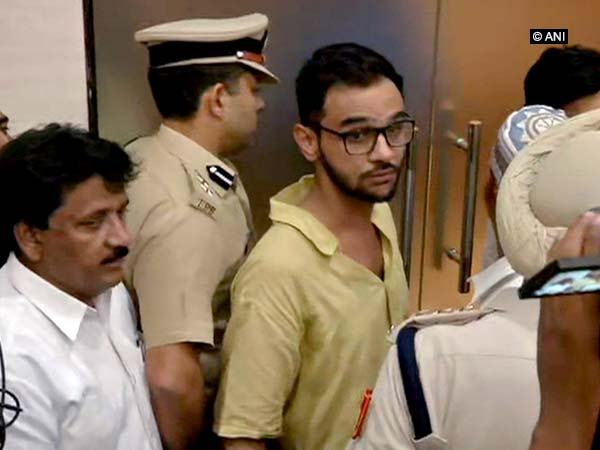
The bench outlined several specific conditions to ensure that Khalid’s temporary release does not interfere with ongoing investigations. These conditions include:
- Restricted movement within designated jurisdictions.
- Mandatory reporting to the nearest police station during the bail period.
- No interaction with individuals considered witnesses in the case.
- A ban on public statements or media interaction related to the case.
Officials stated that these measures are meant to maintain the integrity of the legal process while accommodating family obligations.
Background of the Case
Umar Khalid was arrested in September 2020 under allegations of being part of a conspiracy that triggered communal violence in Delhi. The charges fall under UAPA, one of India’s strictest security laws, often associated with terrorism-related offenses.
His bail petitions have been consistently denied by trial courts and higher courts, including the Delhi High Court. The Supreme Court has also adjourned multiple hearings, delaying the possibility of a full bail review.
Legal Arguments Presented
The defense argued that Khalid had fully cooperated with investigators and that attending his sister’s wedding was a fundamental family right. The prosecution opposed the plea, citing concerns of potential witness influence and case sensitivity.
Political Reactions and Public Discourse
The interim bail order has reignited political debate across social media and news platforms. Supporters described the decision as a humane acknowledgment of individual rights, while critics argued that granting bail in UAPA cases must remain extremely cautious.
Leading legal scholars have highlighted that Indian courts often show leniency on humanitarian grounds, especially in cases involving marriages, funerals, or medical emergencies. Data from the Law Commission of India shows that interim bails for personal events are not uncommon, even in stringent cases.
Impact on the Ongoing UAPA Trial
Legal experts emphasize that interim bail does not influence the outcome of the larger trial. Khalid will be required to surrender upon completion of the stipulated bail period and will continue to face the charges levied against him.
However, the temporary release draws renewed attention to delays in UAPA proceedings, which have been widely discussed in national legal circles. Studies by the United Nations have noted that prolonged pre-trial detention under stringent laws is a global concern.
Internal Resources for Additional Context
- Guide X: Understanding UAPA and High-Security Cases – A resource for readers seeking legal background.
- Service Y: Legal Advisory Tools – Assistance for families navigating complex court procedures.
- Blog Z: Legal News and Case Updates – Regular updates on significant trials across India.
- Resources A: Understanding Bail Rights – A breakdown of bail types and procedural rights.
Public Response and Social Media Coverage
Multiple civil society groups, journalists, and academics have commented on the bail order. While many welcomed the court’s consideration of family circumstances, others pointed out systemic delays that lead to prolonged incarceration without conviction.
The case remains one of the most debated trials of the decade, and the interim bail has further intensified ongoing discussions around justice, freedom, and procedural fairness.
Frequently Asked Questions
Why was Umar Khalid granted interim bail?
He was granted bail on humanitarian grounds to attend his sister’s wedding. The order does not impact the merits of his ongoing case.
How long will the interim bail last?
The court has allowed temporary release for a limited period sufficient for participating in family ceremonies.
Does this affect the UAPA case against him?
No. Interim bail does not influence the legal standing of the charges or the ongoing trial.
What restrictions has the court imposed?
Restricted movement, mandatory police reporting, no contact with witnesses, and no public statements on the case.
Is interim bail common in serious cases?
Yes. Courts frequently grant short-term bail for personal or humanitarian reasons, even in stringent legal cases.