At-home workouts for beginners in 2025 are designed to meet the realities of modern life: busy schedules, limited space, and the growing need to support both physical and mental well-being. With no-equipment routines and accessible digital tools, beginners can now build sustainable fitness habits without stepping into a gym.
This comprehensive guide explains how to start exercising at home safely, outlines simple routines that require no equipment, explores beginner-friendly fitness apps, and highlights the mental health benefits of regular movement. The focus is on consistency, simplicity, and long-term results.
Why At-Home Workouts Matter in 2025
In 2025, flexibility and accessibility define effective fitness routines. Remote work, hybrid schedules, and increasing awareness of mental health have reshaped how people approach exercise. Home workouts eliminate barriers such as commute time, gym fees, and intimidation often felt by beginners.
According to the World Health Organization, regular physical activity improves cardiovascular health, reduces anxiety and depression, and supports overall well-being. These benefits are achievable without specialized equipment or facilities.
Getting Started: A Beginner’s Mindset
For beginners, the goal is not intensity or perfection. The priority is building a routine that is realistic and repeatable.
Set Clear, Achievable Goals
Instead of focusing on appearance-based outcomes, beginners should aim for habit-based goals.
- Exercise for 10–20 minutes per session
- Commit to 3–4 days per week
- Focus on consistency rather than performance
This approach reduces burnout and increases adherence over time.
Create a Simple Workout Space
You do not need a dedicated home gym. A small, clutter-free area with enough room to move is sufficient.
No-Equipment Exercises for Beginners
No-equipment exercises rely on body weight and natural movement patterns. These exercises are ideal for beginners because they are scalable and low-cost.
Foundational Bodyweight Exercises
The following movements form the foundation of most beginner routines:
- Squats: Strengthen legs and improve mobility
- Wall push-ups: Build upper-body strength safely
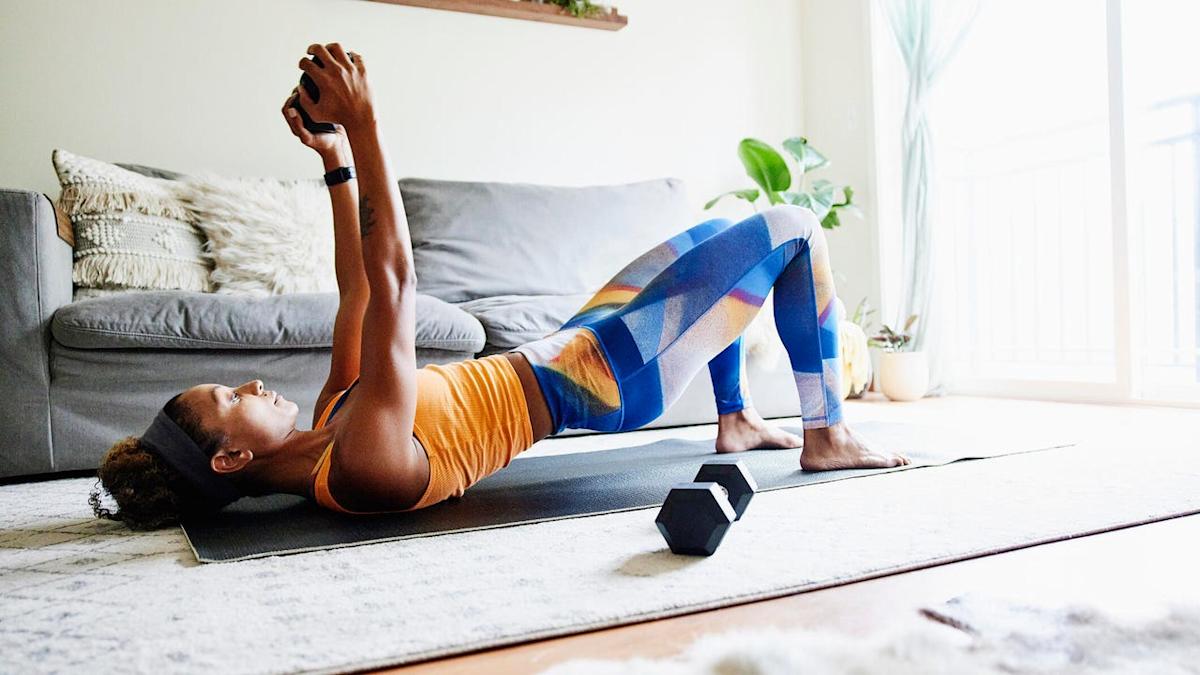
- Glute bridges: Activate core and lower body
- Standing marches: Improve balance and coordination
Each movement can be adjusted based on comfort and ability.
Low-Impact Cardio Options
Cardiovascular exercise does not need to involve jumping or high intensity.
- Marching in place
- Step-backs instead of lunges
- Slow mountain climbers
- Seated knee lifts
Low-impact cardio supports heart health while minimizing joint stress.
Simple Weekly At-Home Workout Plan
A structured yet flexible plan helps beginners stay on track.
Sample 20-Minute Routine
- Warm-up (5 minutes): gentle marching and arm circles
- Strength circuit (10 minutes): squats, wall push-ups, glute bridges
- Cool-down (5 minutes): stretching and deep breathing
This routine can be completed three to four times per week.
Progressing Safely Over Time
Progression should be gradual and intentional.
- Add repetitions before adding time
- Increase workout days slowly
- Listen to physical and mental fatigue signals
Mental Health Benefits of At-Home Workouts
Exercise is a powerful tool for mental well-being, especially for beginners who may feel overwhelmed by external pressures.
Stress Reduction and Mood Improvement
Physical activity stimulates endorphin release, which improves mood and reduces stress.
Research summarized by the U.S. National Institute of Mental Health shows that even moderate exercise can reduce symptoms of anxiety and depression.
Building Confidence and Routine
Completing small, manageable workouts builds self-efficacy. Over time, this confidence often extends beyond fitness into daily life, improving productivity and emotional resilience.
Best Fitness Apps for Beginners in 2025
Fitness apps play a significant role in guiding beginners through structured routines.
Features to Look for in Beginner Apps
- Short workout durations
- No-equipment options
- Clear video demonstrations
- Mindfulness or recovery sessions
Popular App Categories
While app availability varies by region, many reputable platforms now combine physical workouts with breathing exercises, stretching, and guided relaxation. Major universities studying digital health, such as Harvard Health Publishing, emphasize that consistency matters more than workout complexity.
Balancing Fitness with a Busy Schedule
One of the main advantages of at-home workouts is time efficiency.
Micro-Workouts for Busy Days
On particularly busy days, shorter sessions are still effective.
- 5-minute mobility breaks
- 10-minute bodyweight circuits
- Stretching before bed
These short sessions maintain momentum and reduce all-or-nothing thinking.
Stacking Habits for Consistency
Habit stacking involves pairing exercise with an existing routine.
- Workout immediately after waking up
- Stretch during television time
- Do mobility exercises before showering
Common Beginner Mistakes to Avoid
Avoiding common pitfalls helps beginners maintain motivation and avoid injury.
- Doing too much too soon
- Ignoring rest and recovery
- Comparing progress to others
- Skipping warm-ups and cool-downs
Sustainable fitness is built through patience and consistency.
Staying Motivated Long Term
Motivation fluctuates, but systems and routines provide stability.
Track Progress Beyond the Scale
Non-scale victories are important indicators of success.
- Improved energy levels
- Better sleep quality
- Reduced stress
- Improved mobility
Celebrate Small Wins
Recognizing small achievements reinforces positive behavior and supports mental well-being.
Frequently Asked Questions
Are at-home workouts effective for beginners?
Yes. At-home workouts are highly effective for beginners when performed consistently. Bodyweight exercises build strength, mobility, and endurance without requiring equipment.
How often should beginners work out at home?
Most beginners benefit from 3–4 sessions per week, lasting 15–30 minutes. Rest days are important for recovery and mental balance.
Do I need equipment to get results?
No. Beginners can achieve meaningful fitness improvements using bodyweight exercises alone. Equipment can be added later if desired.
Can home workouts improve mental health?
Yes. Regular physical activity has been shown to reduce stress, improve mood, and support mental resilience, even when performed at home.
What if I miss a workout?
Missing a session is normal. Resume your routine at the next opportunity without guilt. Consistency over time matters more than perfection.