


The Rise of Synthetic Celebrities in 2026
Synthetic celebrities—AI-generated or CGI-crafted digital personas—are redefining fame by amassing millions of followers, landing high-value brand partnerships, and shaping trends across fashion, music, beauty, and social discourse. In 2026, advancements in generative AI deliver hyper-realistic visuals, voices, and personalities that rival human influencers.
The virtual influencer market, already valued in the billions, grows at explosive rates (CAGR 40%+ in recent forecasts), potentially reaching $45–150 billion by decade’s end. Brands embrace these controllable, scandal-free ambassadors for consistent messaging and always-on content creation.
Audiences increasingly accept and engage with “authentically fake” figures, finding appeal in their flawless aesthetics, scripted emotional arcs, and freedom from real-world limitations.
Top Synthetic Celebrities Dominating 2026
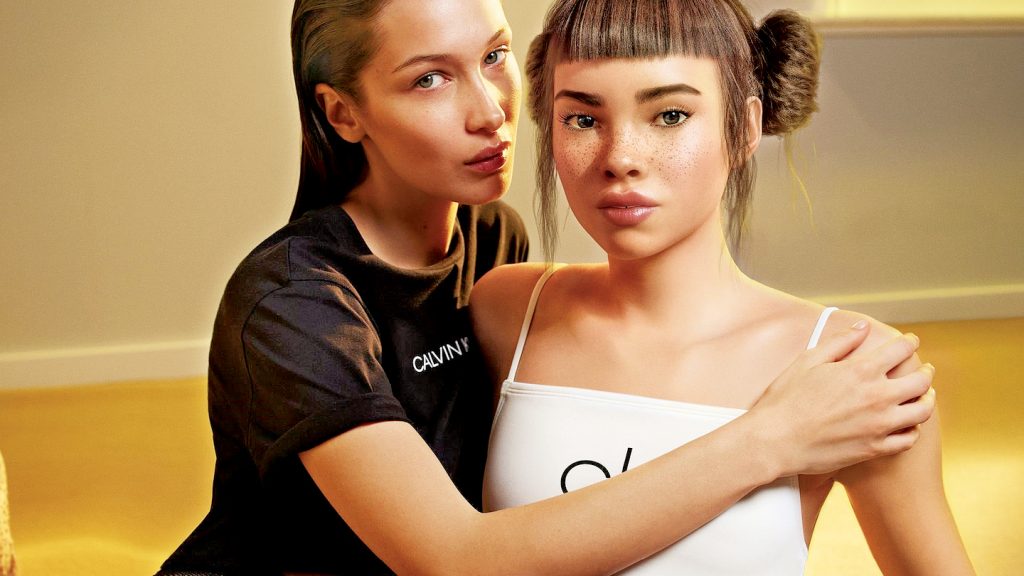
Lil Miquela (@lilmiquela) leads as the iconic pioneer, boasting over 2.4 million Instagram followers. Active into 2026 with new music, art exhibitions, collaborations, and personal “growth” narratives, she blends lifestyle, activism, and entertainment seamlessly.
Other prominent figures include:
- Lu do Magalu (@magazineluiza) – Brazil’s retail powerhouse virtual star with massive reach through product reviews and everyday content.
- Emily Pellegrini (@emilypellegrini) – Rising hyper-realistic talent excelling in fashion and beauty niches.
- Aitana Lopez – Viral Barcelona creation known for lifestyle and modeling engagement.
- Shudu – Trailblazing digital Black supermodel focused on high-fashion and representation.
These personas secure luxury deals (Prada, Calvin Klein) and often outperform humans in targeted engagement metrics.
How Synthetic Celebrities Generate Massive Earnings
Monetization flows from sponsored content, digital merchandise, virtual events, fan platforms, and metaverse appearances—delivering millions annually with minimal variable costs. Lil Miquela has sustained high earnings since 2016, while industry estimates project AI influencers claiming significant portions of marketing budgets.
Brands invest for:
- Perfect alignment and zero controversy.
- Superior engagement in niche audiences.
- Scalable, rapid content production.
Emerging revenue includes AI-managed agencies, virtual concerts, and subscription-based fan experiences.
Cultural Impact: Redefining Fame and Authenticity
Synthetic celebrities prove deep emotional bonds can form with non-human entities, challenging what constitutes “real” fame. Fans stream music, support causes, and interact daily as with human stars, fueling discussions on identity, representation, and digital-native culture.
They amplify trends, promote diversity (e.g., Shudu), and push creative limits—yet raise concerns about eroding human relatability and authenticity in an increasingly artificial landscape.
The Technology Powering 2026’s Virtual Stars
Generative AI enables lifelike visuals, natural dialogue, and evolving personalities via learning loops and fan input. Hyper-realism focuses on subtle emotions and cultural nuance, creating dynamic, relatable digital lives.
Future Outlook: What Comes Next for Synthetic Celebrities
2026 accelerates toward autonomous AI influencers, metaverse dominance, synthetic music stars, and hybrid human-AI projects. As realism advances, transparency standards and verification tools will safeguard trust amid evolving pop culture.
Frequently Asked Questions
Who are the most popular synthetic celebrities in 2026?
Standouts include Lil Miquela, Lu do Magalu, Emily Pellegrini, Aitana Lopez, and Shudu—leading in followers, engagement, and brand impact across fashion, lifestyle, and entertainment.
How much do virtual influencers earn?
Top earners generate millions through sponsorships, merch, and virtual events; the sector captures growing marketing budgets with high ROI potential.
Are synthetic celebrities truly “real” influencers?
They’re AI/CGI constructs that build authentic fan connections, cultural relevance, and influence—disclosed as virtual yet functioning like human celebrities in digital spaces.
Why do brands prefer synthetic over human influencers?
Control, consistency, no scandals, 24/7 availability, and often better niche performance make them attractive for targeted campaigns.
Will AI replace human celebrities?
Not entirely—they offer complementary scalability and creativity; human authenticity endures, with hybrids likely emerging as the norm.
What ethical issues arise with synthetic celebrities?
Transparency (disclosure), potential job impacts on creators, and authenticity debates dominate discussions in 2026’s evolving digital culture.