



The NGO Funding Bill 2026 represents a major legislative initiative in Uganda to overhaul the funding, taxation, and regulatory framework for Non-Governmental Organizations (NGOs). Driven by petitions submitted to Parliament in early 2026, the bill addresses persistent issues such as heavy dependence on foreign donors (often exceeding 90% for many organizations), high operational costs, and perceived risks to national sovereignty, particularly in the pre-election context.
Proponents argue that the NGO Funding Bill 2026 will promote transparency, encourage self-reliance, and align NGO activities more closely with Uganda’s development goals, including literacy and social services in underserved regions. Critics, however, worry about expanded government controls potentially limiting civic independence and operational flexibility.
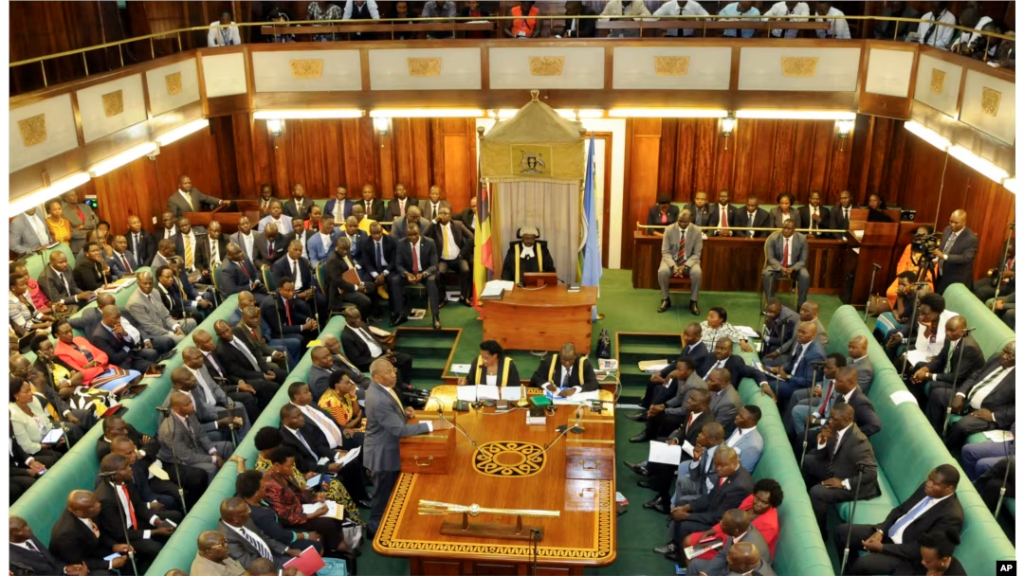
Uganda’s Parliament in Kampala, where debates on the NGO Funding Bill 2026 continue amid concerns over foreign funding and NGO accountability.
Core Objectives of the NGO Funding Bill 2026
The draft bill establishes clear goals guided by principles of transparency, national interest, and protection of legitimate civil society work. Key objectives of the NGO Funding Bill 2026 include:
- Reducing excessive foreign funding dependency;
- Promoting education, literacy, and community development in high-illiteracy districts;
- Reviewing and lowering registration fees and taxes on NGO equipment;
- Enhancing accountability to prevent fund misuse;
- Safeguarding sovereignty against undue external interference.
Fee Reductions and Tax Relief Measures
Under the proposed framework, registration fees for NGOs would be reviewed and significantly reduced to improve accessibility, particularly for smaller community-based groups in rural areas. The NGO Funding Bill 2026 also includes provisions for tax exemptions or reductions on imported or acquired equipment used for education, health, literacy programs, or community initiatives—subject to implementing regulations.
These changes aim to alleviate financial pressures that have long hindered NGO effectiveness and sustainability in underserved communities.
Stricter Controls on Foreign Funding
One of the most debated elements of the NGO Funding Bill 2026 is its approach to foreign funding, defined broadly as any financial, material, or technical support from outside Uganda. Requirements include:
- Mandatory disclosure of all foreign funds—source, amount, and purpose—to the NGO Bureau within 14 days of receipt;
- Empowerment of the Minister of Internal Affairs to set annual limits on foreign funding proportions via regulations;
- Explicit prohibition on foreign funds used to influence political processes, elections, or undermine national sovereignty.
These rules build on existing government warnings about foreign donor reliance ahead of elections and reflect efforts to curb potential external interference.
Encouraging Local Resource Mobilization
In addition to restrictions, the NGO Funding Bill 2026 promotes domestic funding strategies and local partnerships. NGOs would need to demonstrate annual progress toward self-sufficiency during compliance assessments, fostering grassroots ownership and reducing vulnerability to donor priority shifts.
Monthly Reporting and Enhanced Compliance
The bill introduces rigorous monthly reporting obligations to the NGO Bureau, requiring details on:
- Funds received during the month;
- Sources of funding;
- Itemized expenditure breakdowns.
Operational licenses (permits) would continue under NGO Bureau oversight, with the Act commencing on a date appointed by the Minister through statutory instrument.
Potential Impacts and Stakeholder Debate
The NGO Funding Bill 2026 has divided opinions in Parliament and civil society. Supporters praise its focus on accountability, sovereignty, and targeted support for education priorities. Opponents highlight risks to NGO independence, especially given recent suspensions of human rights organizations and broader civic space concerns ahead of 2026 elections.
With NGOs critical to health, education, governance, and humanitarian efforts, the bill’s passage could profoundly affect funding flows, operations, and service delivery across Uganda.
For official updates, consult:
Parliament of Uganda
ICNL Civic Freedom Monitor – Uganda
National NGO Bureau Uganda
Frequently Asked Questions
What does the NGO Funding Bill 2026 aim to achieve?
The NGO Funding Bill 2026 seeks to curb foreign funding overreliance, lower fees and taxes, mandate transparent reporting, promote local sustainability, and protect national interests while supporting development goals.
Will foreign funding be limited under the NGO Funding Bill 2026?
Yes—the bill allows the Minister to impose annual proportion limits on foreign funding and bans its use for political influence or sovereignty threats.
Are there tax benefits in the NGO Funding Bill 2026?
It proposes reduced registration fees and tax relief or exemptions on equipment for education, health, and community purposes, per regulations.
What reporting is required by the NGO Funding Bill 2026?
NGOs must submit monthly reports to the NGO Bureau detailing funds received, sources, and expenditures to boost accountability.
Who supports versus opposes the NGO Funding Bill 2026?
Supporters value enhanced transparency and self-reliance; critics fear restrictions on independence and civic operations.
When might the NGO Funding Bill 2026 take effect?
If enacted, it would commence on a date set by the Minister via statutory instrument following parliamentary passage.
Conclusion
The NGO Funding Bill 2026 could fundamentally alter Uganda’s NGO sector by prioritizing accountability, local ownership, and reduced external dependency. Balanced implementation will be key to preserving NGOs’ vital contributions to national development while addressing sovereignty concerns. Monitor parliamentary proceedings closely as this proposal advances.
The NGO Funding Bill 2026 represents a major legislative initiative in Uganda to overhaul the funding, taxation, and regulatory framework for Non-Governmental Organizations (NGOs). Driven by petitions submitted to Parliament in early 2026, the bill addresses persistent issues such as heavy dependence on foreign donors (often exceeding 90% for many organizations), high operational costs, and perceived risks to national sovereignty, particularly in the pre-election context.
Proponents argue that the NGO Funding Bill 2026 will promote transparency, encourage self-reliance, and align NGO activities more closely with Uganda’s development goals, including literacy and social services in underserved regions. Critics, however, worry about expanded government controls potentially limiting civic independence and operational flexibility.

Uganda’s Parliament in Kampala, where debates on the NGO Funding Bill 2026 continue amid concerns over foreign funding and NGO accountability.
Core Objectives of the NGO Funding Bill 2026
The draft bill establishes clear goals guided by principles of transparency, national interest, and protection of legitimate civil society work. Key objectives of the NGO Funding Bill 2026 include:
- Reducing excessive foreign funding dependency;
- Promoting education, literacy, and community development in high-illiteracy districts;
- Reviewing and lowering registration fees and taxes on NGO equipment;
- Enhancing accountability to prevent fund misuse;
- Safeguarding sovereignty against undue external interference.
Fee Reductions and Tax Relief Measures
Under the proposed framework, registration fees for NGOs would be reviewed and significantly reduced to improve accessibility, particularly for smaller community-based groups in rural areas. The NGO Funding Bill 2026 also includes provisions for tax exemptions or reductions on imported or acquired equipment used for education, health, literacy programs, or community initiatives—subject to implementing regulations.
These changes aim to alleviate financial pressures that have long hindered NGO effectiveness and sustainability in underserved communities.
Stricter Controls on Foreign Funding
One of the most debated elements of the NGO Funding Bill 2026 is its approach to foreign funding, defined broadly as any financial, material, or technical support from outside Uganda. Requirements include:
- Mandatory disclosure of all foreign funds—source, amount, and purpose—to the NGO Bureau within 14 days of receipt;
- Empowerment of the Minister of Internal Affairs to set annual limits on foreign funding proportions via regulations;
- Explicit prohibition on foreign funds used to influence political processes, elections, or undermine national sovereignty.
These rules build on existing government warnings about foreign donor reliance ahead of elections and reflect efforts to curb potential external interference.

Community-based NGO work in Uganda, which the NGO Funding Bill 2026 seeks to support through greater local sustainability and reduced foreign dependency.
Encouraging Local Resource Mobilization
In addition to restrictions, the NGO Funding Bill 2026 promotes domestic funding strategies and local partnerships. NGOs would need to demonstrate annual progress toward self-sufficiency during compliance assessments, fostering grassroots ownership and reducing vulnerability to donor priority shifts.
Monthly Reporting and Enhanced Compliance
The bill introduces rigorous monthly reporting obligations to the NGO Bureau, requiring details on:
- Funds received during the month;
- Sources of funding;
- Itemized expenditure breakdowns.
Operational licenses (permits) would continue under NGO Bureau oversight, with the Act commencing on a date appointed by the Minister through statutory instrument.
Potential Impacts and Stakeholder Debate
The NGO Funding Bill 2026 has divided opinions in Parliament and civil society. Supporters praise its focus on accountability, sovereignty, and targeted support for education priorities. Opponents highlight risks to NGO independence, especially given recent suspensions of human rights organizations and broader civic space concerns ahead of 2026 elections.
With NGOs critical to health, education, governance, and humanitarian efforts, the bill’s passage could profoundly affect funding flows, operations, and service delivery across Uganda.
For official updates, consult:
Parliament of Uganda
ICNL Civic Freedom Monitor – Uganda
National NGO Bureau Uganda
Frequently Asked Questions
What does the NGO Funding Bill 2026 aim to achieve?
The NGO Funding Bill 2026 seeks to curb foreign funding overreliance, lower fees and taxes, mandate transparent reporting, promote local sustainability, and protect national interests while supporting development goals.
Will foreign funding be limited under the NGO Funding Bill 2026?
Yes—the bill allows the Minister to impose annual proportion limits on foreign funding and bans its use for political influence or sovereignty threats.
Are there tax benefits in the NGO Funding Bill 2026?
It proposes reduced registration fees and tax relief or exemptions on equipment for education, health, and community purposes, per regulations.
What reporting is required by the NGO Funding Bill 2026?
NGOs must submit monthly reports to the NGO Bureau detailing funds received, sources, and expenditures to boost accountability.
Who supports versus opposes the NGO Funding Bill 2026?
Supporters value enhanced transparency and self-reliance; critics fear restrictions on independence and civic operations.
When might the NGO Funding Bill 2026 take effect?
If enacted, it would commence on a date set by the Minister via statutory instrument following parliamentary passage.
The NGO Funding Bill 2026 could fundamentally alter Uganda’s NGO sector by prioritizing accountability, local ownership, and reduced external dependency. Balanced implementation will be key to preserving NGOs’ vital contributions to national development while addressing sovereignty concerns. Monitor parliamentary proceedings closely as this proposal advances.