Kampala, Uganda — March 28, 2026 — Uganda’s Parliament is at the centre of controversy following the emergence of the proposed Protection of Sovereignty Bill, 2025. This broad legislative framework aims to regulate foreign influence and affirm national autonomy across multiple sectors. Backed by key members of the ruling National Resistance Movement (NRM) Parliamentary Caucus, the bill has quickly become a focal point in discussions about sovereignty and governance.
Understanding the Core Objectives of the Uganda Protection of Sovereignty Bill
The Uganda Protection of Sovereignty Bill seeks to create legal safeguards that ensure foreign resources do not undermine Uganda’s institutional integrity or national decision-making. Early drafts indicate three primary mechanisms: mandatory disclosure of all foreign funding within 14 days, expanded powers for the Minister of Internal Affairs to oversee or restrict foreign financial participation, and new tools to block activities deemed detrimental to national sovereignty.
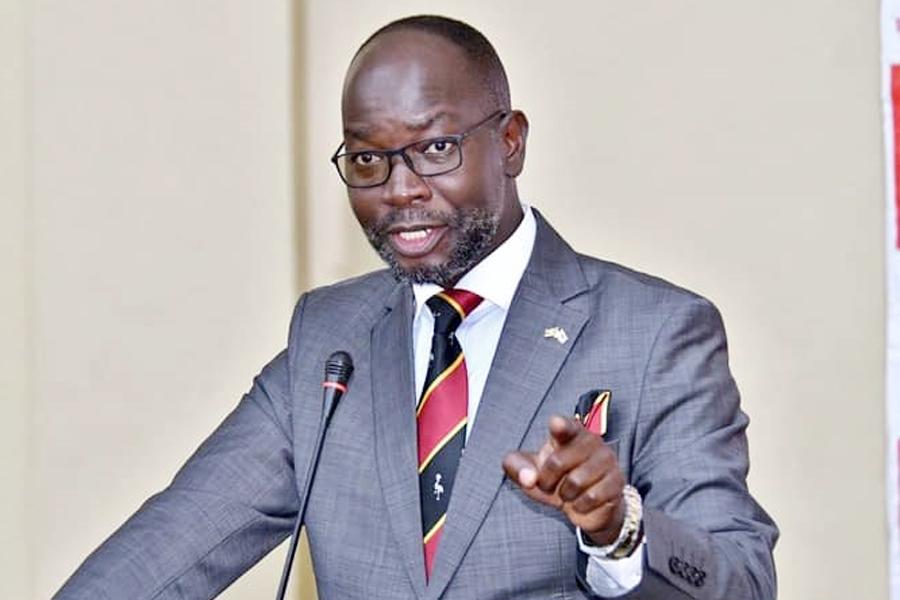
Government Chief Whip Hon. Denis Hamson Obua recently outlined the bill’s importance, stating, “If we are to protect the integrity of our institutions and the sovereignty of our people, we must build legal safeguards that help us assert control over how foreign resources interact with our national systems.”
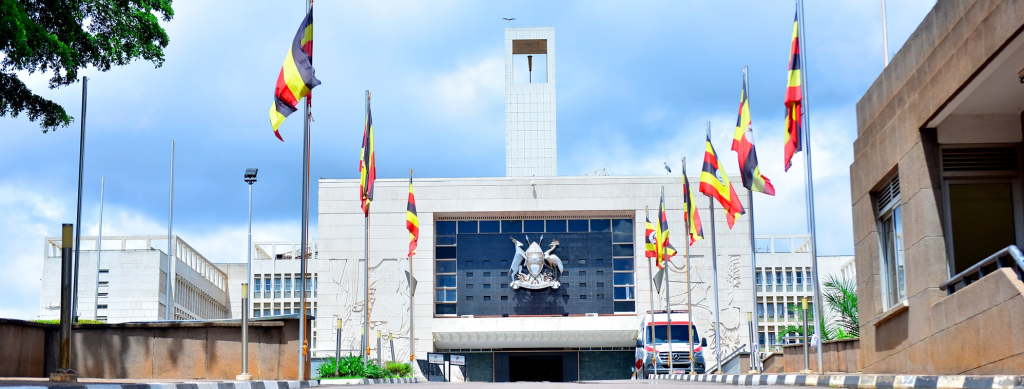
The Parliament of Uganda in Kampala, where the controversial Protection of Sovereignty Bill 2025 is currently under scrutiny.
Supporters Highlight the Need for Transparency and Alignment with National Priorities
Proponents, largely from the NRM, argue that the bill represents standard international practice for sovereign nations. They point out that many countries impose similar transparency requirements on foreign funding to prevent external interference in domestic affairs. By requiring rapid disclosure and granting the Minister of Internal Affairs enhanced regulatory authority, the legislation would ensure that foreign resources align with Uganda’s development goals rather than external agendas.
Recent NRM Caucus meetings at State House Entebbe reinforced this position, linking the bill to broader budget priorities for FY 2026/2027, including infrastructure, security, and socio-economic transformation. Supporters maintain that increased oversight is not about restricting legitimate aid but about protecting Uganda’s ability to direct its own future.
Critics Argue the Bill Is a Repackaged Version of Earlier NGO Funding Measures
Opposition voices and civil society analysts contend that the Uganda Protection of Sovereignty Bill is essentially a modified version of previous NGO funding initiatives. Both share identical core features: a strong emphasis on sovereignty, the 14-day foreign-funding disclosure requirement, and significantly expanded powers for the Minister of Internal Affairs.
“It is like the NGO funding approach has simply been modified. The wording and scope have shifted, but the core objectives remain the same — controlling foreign funding, targeting NGOs, and giving the Minister of Internal Affairs more power,” one civil society analyst noted. Observers highlight that the bill’s language closely mirrors earlier proposals, raising questions about whether it introduces genuinely new policy or merely repackages existing regulatory ambitions.
According to reports in New Vision, Uganda’s state-owned newspaper, even a 16-year-old activist and media entrepreneur, Martin Luther Nyanzi, had earlier called for clearer legal frameworks to regulate and support community-based organisations and local NGOs — a call that some now see reflected, albeit controversially, in the current bill.
Historical Context of NGO Regulation in Uganda
Uganda has a long history of balancing foreign aid with national control. The Non-Governmental Organisations Act of 2016 already established registration requirements and oversight by the Ministry of Internal Affairs. Past amendments have focused on financial transparency and operational compliance. The current bill builds on this foundation but extends it further by explicitly framing foreign funding through the lens of national sovereignty.
Critics worry that repeated tightening of rules risks creating an environment where NGOs — many of which deliver essential services in health, education, and community development — face bureaucratic hurdles that limit their effectiveness. Supporters counter that such measures are essential in a country that has historically received substantial donor support, ensuring aid serves Ugandan priorities rather than donor-driven ones.
Potential Impacts on Civic Space and Key Sectors
Opposition figures and rights advocates caution that broad regulatory frameworks under the Uganda Protection of Sovereignty Bill could shrink civic space. Organisations working in sensitive areas such as governance, human rights, and environmental protection may face heightened scrutiny. Health and education NGOs, which rely heavily on foreign grants, could see delays in project approvals or restrictions on funding levels.
Government officials emphasise that the bill includes safeguards to protect legitimate development activities. They point to global examples where similar laws have successfully aligned international partnerships with national development plans without halting progress.
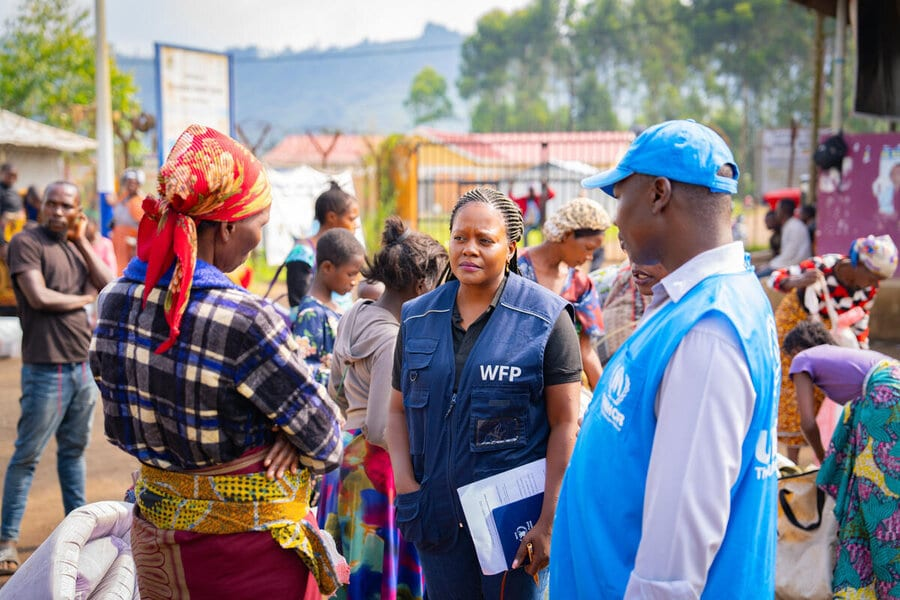
Community-based organisations and NGOs play vital roles in Uganda’s health, education, and refugee support sectors — areas potentially affected by the new sovereignty measures.
Global Comparisons and International Perspectives
Uganda is not alone in pursuing tighter controls on foreign funding. Countries such as India with its Foreign Contribution Regulation Act, Russia with its foreign-agent laws, and several others have introduced similar frameworks to curb perceived external political influence. These examples illustrate a growing global trend among nations seeking to assert greater control over external resources while maintaining partnerships.
However, international observers, including bodies focused on civic space, often warn that overly broad regulations can inadvertently limit the independence of civil society. Uganda’s bill will likely face similar scrutiny as it progresses, with stakeholders calling for clear definitions of “detrimental activities” to prevent misuse.
The Road Ahead: Committee Scrutiny and Public Debate
As the Protection of Sovereignty Bill moves through committee scrutiny, public hearings, and full parliamentary debate, its final form remains uncertain. Lawmakers are expected to consider amendments that balance transparency with operational flexibility for NGOs. The outcome will define Uganda’s approach to foreign funding and sovereign governance for the foreseeable future.
Stakeholders from all sides agree on one point: the bill’s passage or rejection will send a clear signal about Uganda’s vision for its institutions and its relationship with the international community.
Frequently Asked Questions
What is the Uganda Protection of Sovereignty Bill?
The Uganda Protection of Sovereignty Bill, also referred to as the National Sovereignty Bill 2025, is proposed legislation designed to regulate foreign funding and protect national autonomy by requiring organisations to disclose foreign resources within 14 days and granting the Minister of Internal Affairs enhanced oversight powers.
Why do critics call it a modified version of NGO funding measures?
Critics point out that the bill shares the same core elements as earlier NGO funding proposals — including the 14-day disclosure rule, focus on sovereignty, and expanded ministerial authority — leading many to view it as a rebranded version rather than an entirely new policy.
How will the bill affect NGOs working in health and education?
NGOs in health, education, and community development may face stricter reporting requirements and potential limits on foreign funding proportions. Supporters argue this ensures alignment with national priorities, while opponents worry it could slow service delivery to vulnerable populations.
Who supports the Uganda Protection of Sovereignty Bill?
The bill enjoys strong backing from the ruling National Resistance Movement (NRM) Parliamentary Caucus and government officials, including Chief Whip Hon. Denis Hamson Obua, who emphasise its role in safeguarding Uganda’s institutional independence.
What are the next steps for the bill in Parliament?
The legislation is currently advancing through committee scrutiny and public hearings. Full parliamentary debate and potential amendments will follow before any final vote.
Does the bill ban all foreign funding?
No. The bill does not ban foreign funding outright but introduces disclosure requirements, oversight mechanisms, and restrictions on funds deemed to undermine national sovereignty or influence political processes.