Kampala, April 2026 — A hard-hitting new draft bill that seeks to radically transform Uganda’s justice system with strict “eye-for-eye” principles has been released in the wake of the horrific machete attack on four toddlers at a Kampala nursery school.
The Heartbreaking Details of the Ggaba Nursery Massacre
On April 2, 2026, tragedy struck at the Ggaba Early Childhood Development Program school in Makindye Division. A 39-year-old suspect, identified as Okello Christopher Onyum, gained access by posing as a concerned parent. Once inside, he carried out a fierce machete and knife attack on young children.
The four innocent victims, all toddlers aged between one and three years, were:
- Eteku Gideon (2 years)
- Ryan Odeke (2 years)
- Ignatius Sserwange (3 years)
- Kaise Alungat (approximately 2–3 years old)
Three boys and one girl were brutally stabbed and hacked to death. The suspect was overpowered by an angry crowd and arrested. The nation continues to mourn this senseless tragedy.
A Pattern of Unresolved Child Killings
The Ggaba nursery attack is the latest in a series of shocking child murders that have devastated Ugandan families. These include ritualistic killings, deadly domestic violence, and other violent attacks on minors. Past high-profile cases, such as the ritual murder of 12-year-old Joseph Kasirye in the landmark Kato Kajubi trial, have exposed weaknesses in the justice system, including lenient sentences and long court delays.
Youth Advocate Nyanzi Martin Luther Pushes for Radical Reform
The draft bill was prepared by youth advocate Nyanzi Martin Luther and his legal team. They argue that the current system has failed victims for too long, especially vulnerable children. “We cannot keep burying our babies while killers receive kid-glove treatment,” Nyanzi stated. “Justice must hurt exactly as much as the crime inflicted on the victims.”
What the Uganda Proportional Justice Bill Proposes
The professionally structured document introduces sweeping reforms:
- Strict Proportionality: Punishment must directly mirror the harm inflicted on victims.
- Four-Tier Offence Classification: Minor, Intermediate, Grave, and Capital categories, with courts required to follow strict sentencing guidelines.
- Harshest Penalties for Loss of Life: Especially tough measures for crimes involving the killing of innocent children.
- Strong Focus on Victims: Mandatory compensation proportional to the harm suffered, plus proposals for a national Victim Compensation Fund.
- Constitutional Safeguards: The bill upholds fair hearings, due process, and the right to appeal.
If you are facing legal challenges related to safety or protection while seeking opportunities abroad, understanding foundational steps can be crucial. Learn more about essential knowledge before starting the asylum process.
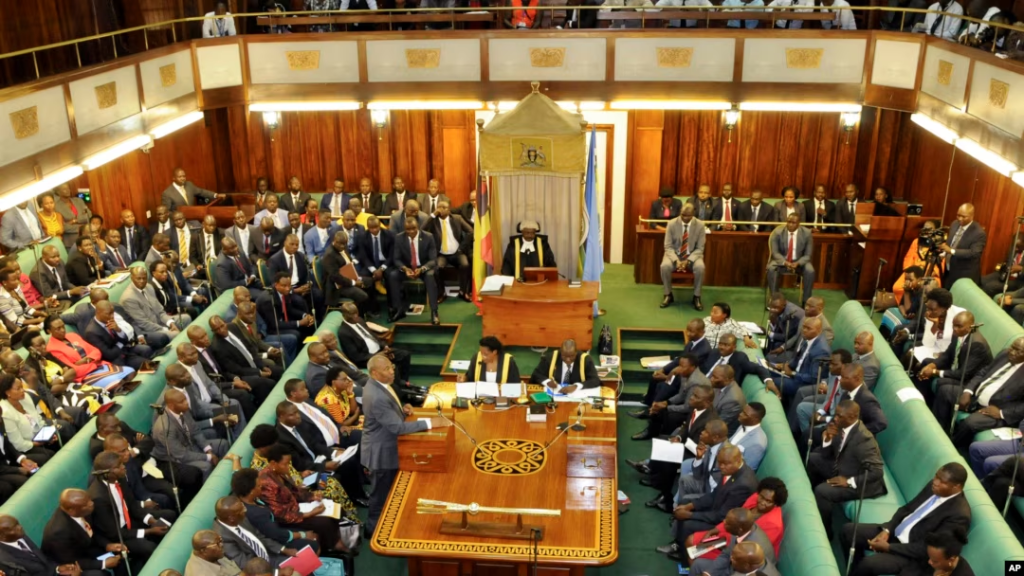
Uganda’s Parliament building, where the Uganda Proportional Justice Bill could eventually be tabled if it gains enough support.
Public Reaction and the Road Ahead
The proposal has already sparked intense nationwide debate. Supporters see it as a necessary deterrent and a way to deliver true accountability. Critics worry about potential conflicts with rehabilitation goals and international human rights standards.
This remains a draft bill prepared for public consideration. It has not yet been formally tabled in Parliament. Proponents have released it early, inviting lawyers, civil society organisations, religious leaders, parents, and ordinary citizens to review the document and offer constructive suggestions.
With public anger still high after the Ggaba killings and similar past tragedies, the **Uganda Proportional Justice Bill** is emerging as one of the most passionately discussed legislative ideas in recent years. If it gains sufficient momentum, it will require sponsorship by a Member of Parliament to be officially introduced.
Frequently Asked Questions
What is the Uganda Proportional Justice Bill?
The Uganda Proportional Justice Bill 2026 is a draft proposal that calls for strict “eye-for-eye” sentencing, where punishment must exactly match the harm caused, particularly in severe crimes against children. It was drafted in response to the Ggaba nursery massacre.
Who created the Uganda Proportional Justice Bill?
Youth advocate and media entrepreneur Nyanzi Martin Luther prepared the bill with his legal team. He argues that current sentencing has failed to protect vulnerable children.
Does the bill call for the death penalty?
It emphasises proportional punishment for grave and capital offences, including the harshest penalties for the killing of children, while maintaining constitutional safeguards like due process and the right to appeal.
Will the bill affect only child-related crimes?
No. While it places strong focus on crimes against children, the four-tier classification and proportionality principle would apply across serious offences.
Is the Uganda Proportional Justice Bill already law?
No. It is still a draft open for public input. It needs an MP sponsor and full parliamentary processes to become law.
What options exist for victim support under the bill?
The proposal includes mandatory victim compensation scaled to the harm suffered and the creation of a national Victim Compensation Fund.