


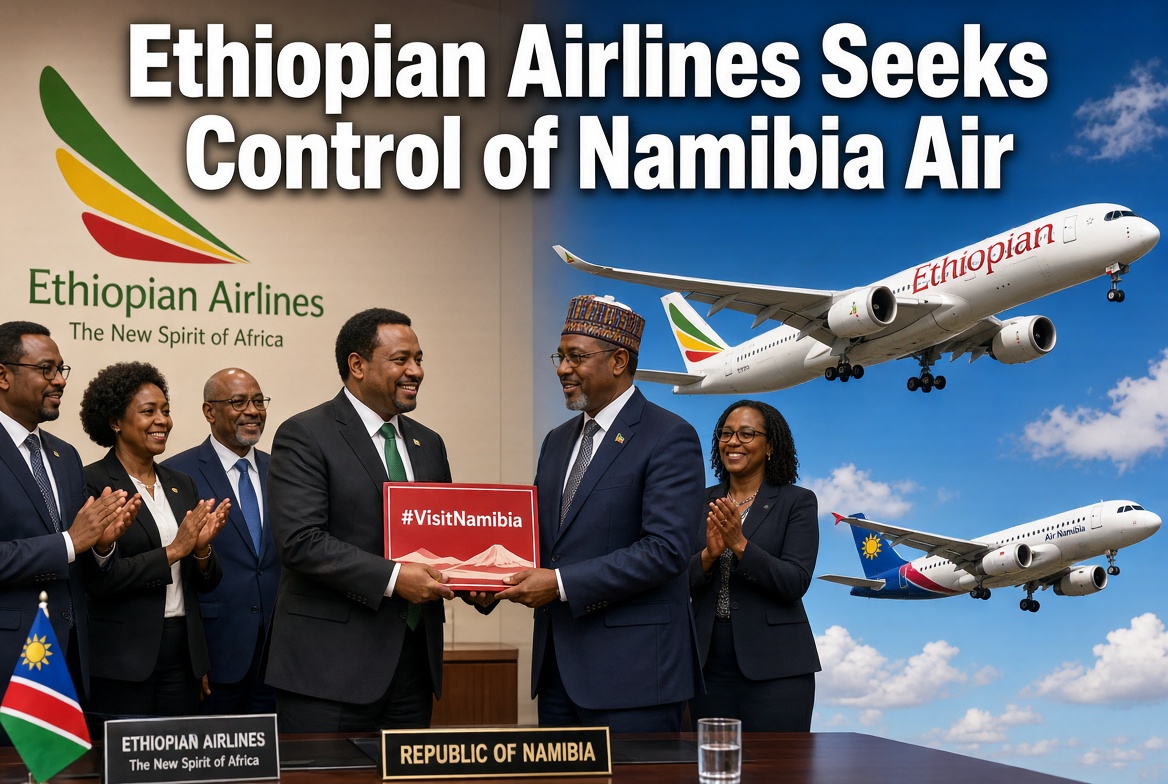
Ethiopian Airlines Namibia Air discussions have raised serious questions after the African aviation giant indicated that management control would be required for any equity partnership in Namibia’s planned national carrier. The talks, held in late August 2026, centre on technical support, a possible management contract, and deeper investment that could place key executive roles under Ethiopian oversight.
Namibia is racing to launch Namibia Air by December 2026 as a clean-slate replacement for the liquidated Air Namibia. While the government insists national interests remain central, the reported conditions have sparked debate over sovereignty, risk, and the real price of partnering with Africa’s most successful airline.
The Hidden Details Behind the Talks
In August 2026 Namibian officials met Ethiopian Airlines representatives in Addis Ababa. According to an internal briefing that later circulated, Ethiopian reviewed Namibia’s market study and tabled a counter-proposal.
The Ethiopian side centred its offer on ATR 72-600 aircraft, training programmes, and maintenance (MRO) support. It also projected five years of losses for the new airline. The two sides agreed to explore technical cooperation and a possible management contract. Ethiopian indicated it could immediately assign personnel to refine the business plan and help establish the carrier.
Did you know Ethiopian Airlines has already built successful management partnerships with several African carriers? That track record is exactly why Namibia approached it. Yet the same experience comes with firm conditions.
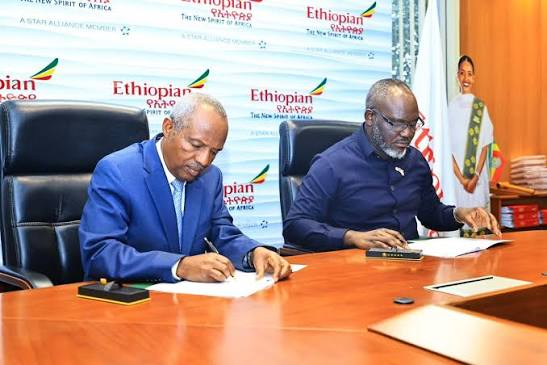
Talks between Namibian officials and Ethiopian Airlines took place in Addis Ababa in late August 2026.
The Shocking Condition: Management Control
The most contentious point is clear. For any equity partnership, Ethiopian Airlines stated the business plan must be commercially feasible and that it would require management control. This includes the CEO, CFO, and maintenance positions.
Ethiopian is not ready to commit to equity at this stage. Officials noted the airline already has three partnerships on the continent and needs more time before investing. Still, the insistence on control has become the flashpoint.
Opposition voices, including the Independent Patriots for Change, have warned that Namibia could surrender key functions of its national airline. The truth is that management control is a serious concession. Once given, it is hard to claw back without clear exit clauses and knowledge-transfer timelines.
What the Namibian Government Says
The Ministry of Works and Transport confirmed the discussions on 2 September 2026. Spokesperson Jonas Sheelongo stated that the government is exploring technical and strategic cooperation while ensuring Namibian expertise and national interests remain central.
He stressed that no binding commitments have been made with any party. The primary purpose of the consultations, he said, is to avoid the mistakes that led to the financial collapse and closure of Air Namibia.
The ministry also distanced itself from parts of the circulating internal document, though it did not deny the broad outlines of the talks.
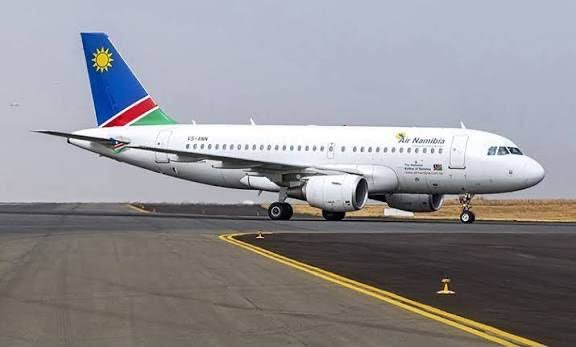
Namibia Air has already secured key licences and is targeting a December 2026 launch.
Why Namibia Needs Help
Air Namibia was liquidated in February 2021 after years of losses and repeated state bailouts that cost the country billions. The new carrier is deliberately presented as a fresh start, not a revival of the old brand.
Namibia Air has obtained licences valid for five years and plans both scheduled and charter flights. The initial fleet concept included Embraer jets, though Ethiopian has suggested ATR 72-600 turboprops as a more suitable option for the market size and route structure.
Launch remains targeted for the first week of December 2026. That deadline is tight. Aircraft still need to be secured, an Air Operator Certificate finalised, and funding locked in. Technical expertise from a proven operator is therefore attractive.
Key Facts at a Glance
- Air Namibia liquidated: February 2021
- New airline name approved: Namibia Air
- Target first flights: December 2026
- Ethiopian condition for equity: management control of CEO, CFO and maintenance
- Projected early losses: at least five years
- Current status: exploratory talks, no binding deal
The Untold Risk and Reward
Ethiopian Airlines is Africa’s largest and most consistently profitable carrier. Its model of professional management, tight cost control, and continental network building has been studied across the region. Partnering with it offers access to training, systems, and credibility that a brand-new airline would struggle to build alone.
Yet the secret many governments learn too late is that technical assistance and equity investment are different things. Assistance can be temporary. Equity with management control can reshape decision-making for years.
If Namibia accepts the condition, it must demand clear performance metrics, training quotas for Namibian staff, and a firm timeline for the transfer of key positions back to local hands. Without those safeguards, a partnership designed to build capacity could become long-term dependency.
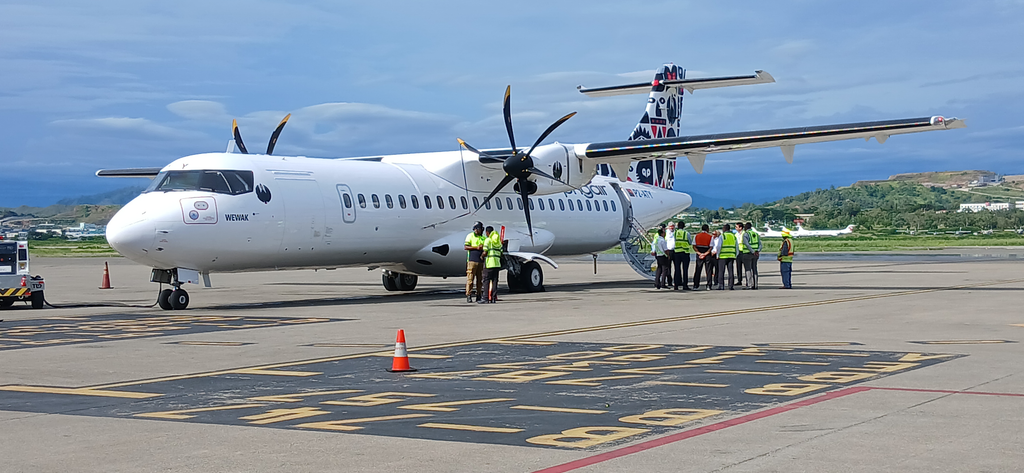
Ethiopian Airlines has proposed ATR 72-600 aircraft as part of its technical package.
Broader Context in Southern Africa
Namibia has also discussed possible joint-airline concepts with Botswana. In some of those conversations Ethiopian Airlines was again mentioned as a potential strategic partner. The two tracks a purely Namibian carrier and a possible Botswana-Namibia venture risk overlapping and creating confusion over strategy and resources.
Meanwhile Ethiopian continues to expand its influence across the continent through partnerships, codeshares, and management contracts. For Windhoek the choice is not simply whether to accept help, but on what precise terms and with what exit strategy.
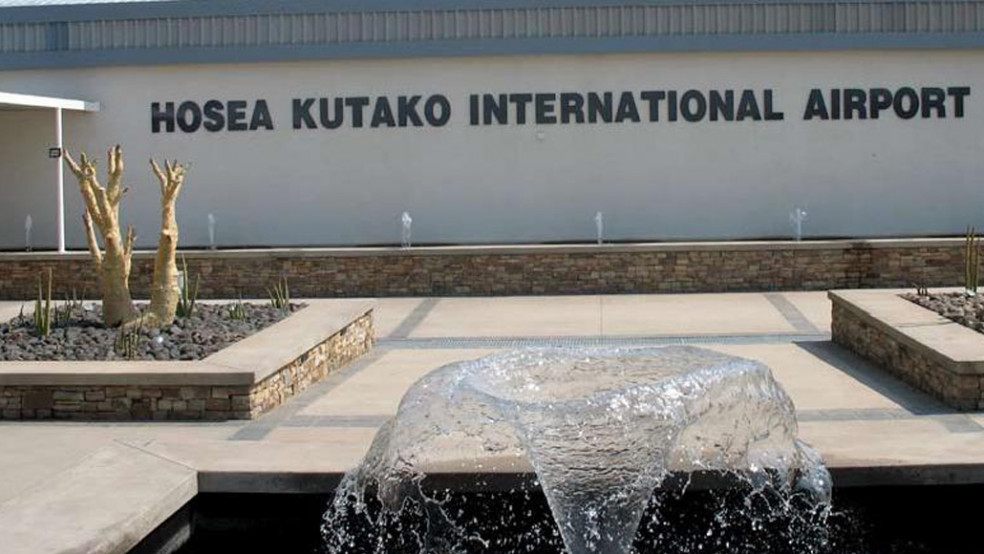
Hosea Kutako International Airport would serve as the main hub for the new national carrier.
What Happens Next
Talks remain open. Ethiopian has said it can begin technical assistance even without a final management or equity agreement. Namibia continues to stress that any arrangement must protect national interests.
The coming weeks will show whether the two sides can agree on a structure that gives Namibia the expertise it needs without handing over permanent control of its flag carrier. For a country that already paid a heavy price for the failure of Air Namibia, getting the terms right this time is not optional.
Readers who want the original reporting can consult the detailed accounts published by the Windhoek Observer and the official confirmation from the Namibian Ministry of Works and Transport.
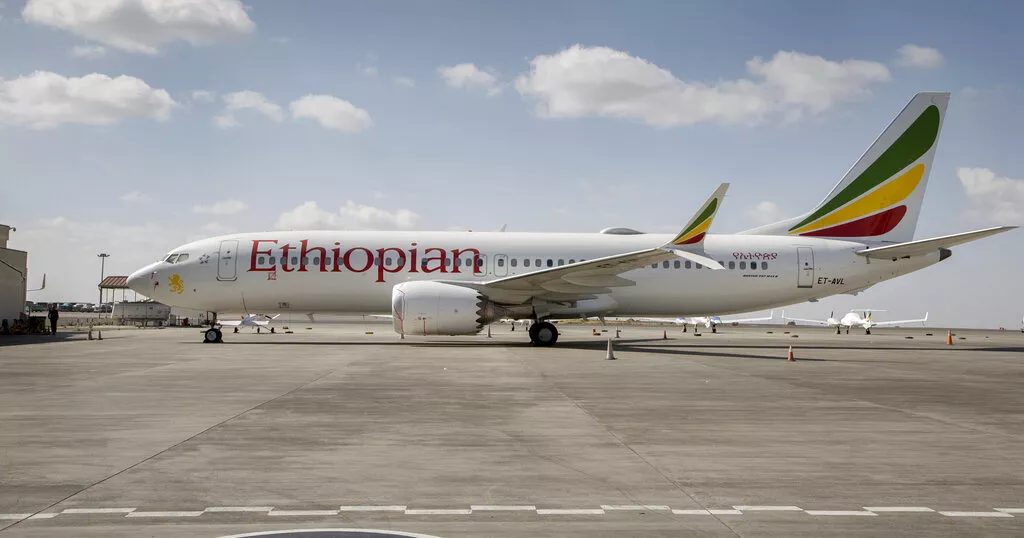
Ethiopian Airlines remains Africa’s largest and most successful carrier.
Stay Informed
The future of Namibia Air will shape the country’s aviation connectivity, tourism potential, and regional influence for years to come. Follow developments closely as the December 2026 launch target approaches and the partnership terms become clearer.
If this story matters to you, share it and keep watching for the next official statements from both Windhoek and Addis Ababa.
Frequently Asked Questions
Has Ethiopian Airlines taken control of Namibia Air?
No. Discussions are ongoing. No binding management or equity agreement has been signed. Ethiopian has indicated that management control would be a condition if equity investment goes ahead.
When is Namibia Air expected to start flying?
The target remains the first week of December 2026, provided aircraft, funding, and the Air Operator Certificate are secured in time.
Why does Ethiopian Airlines want management control?
Ethiopian has a consistent model of pairing investment or deep partnerships with operational oversight. It argues this protects the investment and improves the chance of commercial success.
Is Namibia giving up its national airline?
The government states that Namibian interests and expertise will remain central. Critics argue that control of the CEO, CFO and maintenance roles would amount to significant foreign influence.
What aircraft does Ethiopian propose?
Reports indicate Ethiopian has suggested ATR 72-600 turboprops, while earlier Namibian plans focused on Embraer regional jets.
Could a deal with Botswana still happen?
Separate discussions about a possible joint Namibia-Botswana carrier have taken place, with Ethiopian sometimes mentioned as a strategic partner. The two initiatives risk overlapping.