Understanding the right forex terms every new trader should know is the difference between trading with confidence and making expensive early mistakes. Many beginners jump into the market excited by leverage and fast moves, only to discover they never fully grasped the language of currency trading.
This guide breaks down ten essential concepts in plain language so you can open an account with clarity, protect your capital, and start building real skill instead of learning the hard way. These forex terms every new trader should know form the foundation of every decision you will make once real money is on the line.
Why These Forex Terms Matter More Than You Think
The forex market is the largest financial market on earth, with trillions of dollars changing hands every day. Yet the language used by traders can feel like a secret code. Did you know that many new traders lose money in their first months simply because they misunderstand basic terms?
Mastering these concepts early gives you a hidden advantage. You will read charts, risk statements, and broker terms more accurately. You will also avoid the shocking reality of unexpected losses caused by leverage or margin calls. The truth is that most early account blow-ups can be traced back to gaps in this basic knowledge.
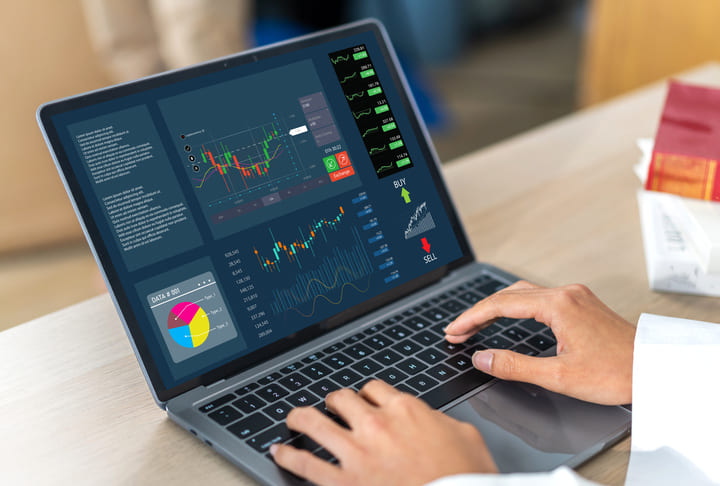
Learning core forex terms helps new traders avoid common beginner pitfalls.
1. Currency Pair
Every forex trade involves two currencies. The first is the base currency and the second is the quote currency. When you see EUR/USD, the euro is the base and the US dollar is the quote.
If EUR/USD rises, the euro is strengthening against the dollar. If it falls, the euro is weakening. Understanding pairs is the foundation of every trade you will ever place. Major pairs, minor pairs, and exotic pairs each carry different liquidity and cost characteristics that affect new traders differently.
2. Pip
A pip (percentage in point) is the smallest standard price movement in most currency pairs. For most pairs quoted to four decimal places, one pip equals 0.0001.
On a standard lot, one pip is usually worth $10. Tracking pips helps you measure both profit and risk with precision. Did you know that some brokers now quote to five decimal places, where the fifth digit is called a pipette? Learning to count pips correctly is one of the first practical skills every new trader must develop.
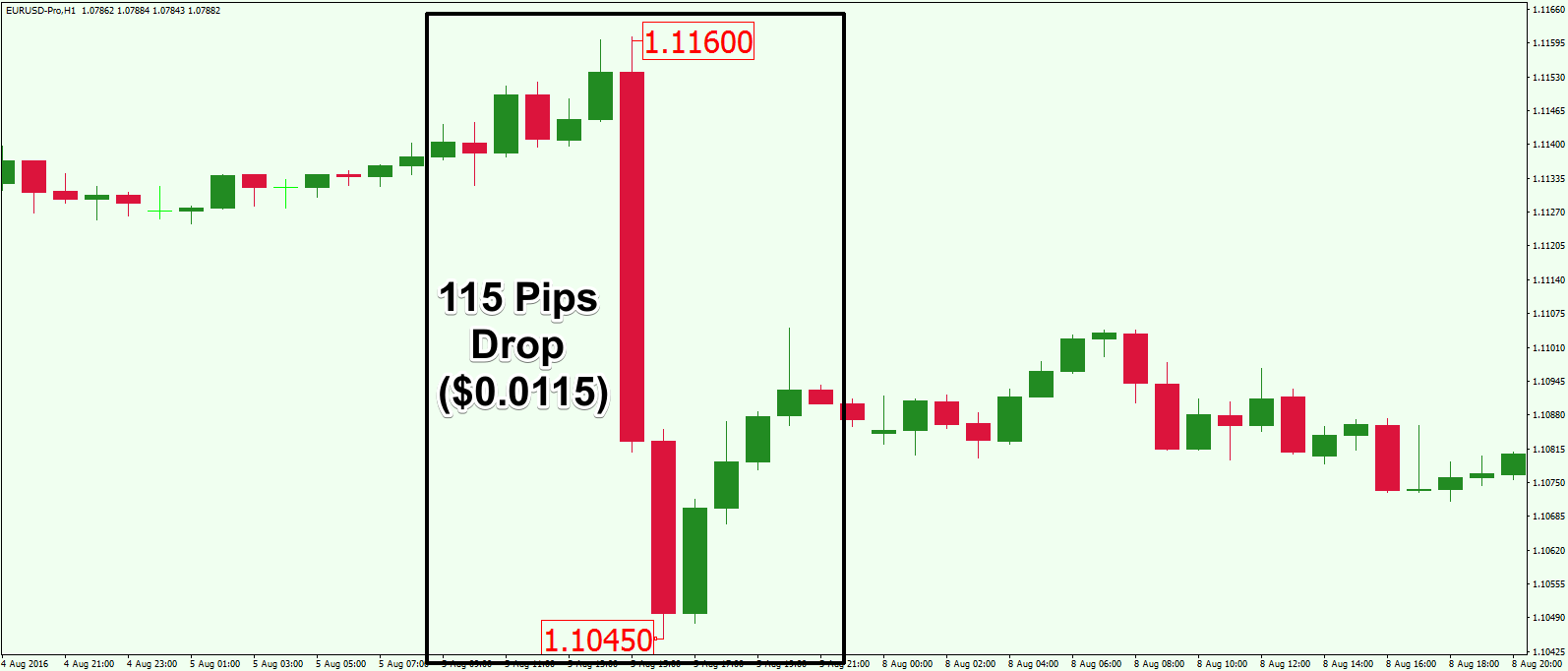
Pips form the basic unit of price movement in forex trading.
3. Lot Size
Lot size determines how much currency you control in a single trade. The standard lot is 100,000 units of the base currency. A mini lot is 10,000 units and a micro lot is 1,000 units.
Choosing the right lot size is one of the most important risk decisions a new trader makes. Trading too large relative to your account is a common and costly error. Many successful traders begin with micro lots until their strategy and emotional control are proven.
4. Bid and Ask Price (Spread)
The bid is the price at which your broker is willing to buy the base currency from you. The ask is the price at which the broker is willing to sell it to you. The difference between them is the spread.
The spread is your immediate transaction cost. Tighter spreads generally mean lower costs, especially for frequent traders. Always check the typical spread of the pairs you plan to trade, because wider spreads on less liquid pairs can quietly erode profits over time.
5. Leverage
Leverage allows you to control a large position with a relatively small amount of capital. With 50:1 leverage, $1,000 can control a $50,000 position.
While leverage amplifies profits, it also amplifies losses. This is the shocking truth many new traders discover too late. High leverage is a double-edged sword that must be used with strict risk management. Understanding how leverage interacts with lot size is one of the most critical forex terms every new trader should know.
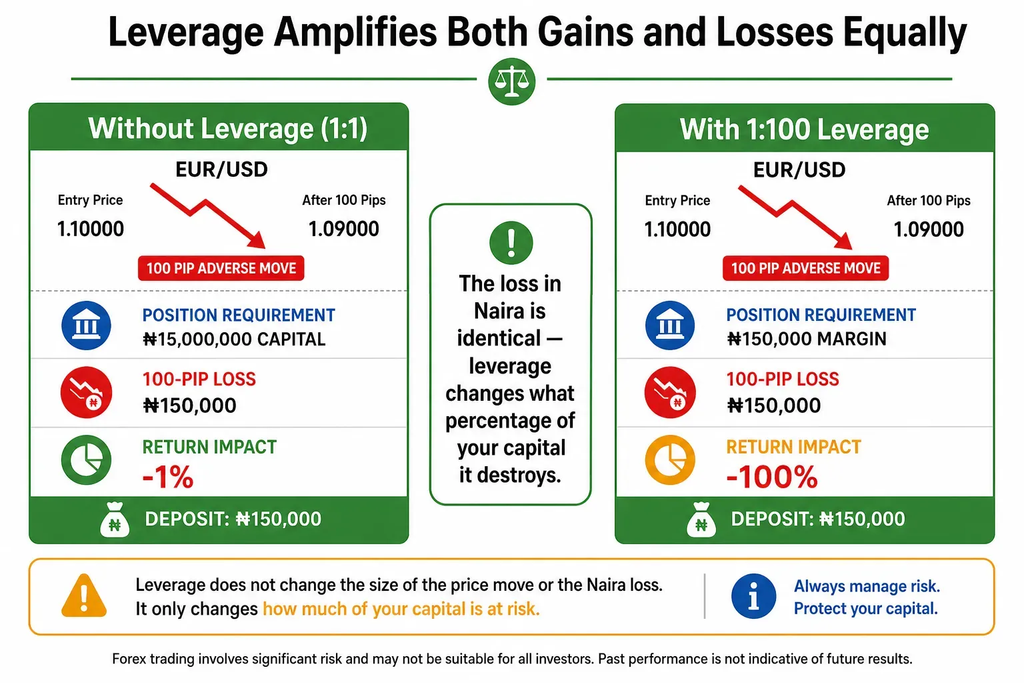
Leverage multiplies both potential profits and potential losses.
6. Margin
Margin is the amount of money your broker requires you to set aside to open and maintain a leveraged position. It is not a fee; it is a deposit that stays in your account while the trade is open.
If your account equity falls below the required margin level, you may face a margin call. Understanding margin requirements before you trade protects you from forced liquidation. Always know your free margin and used margin so you can avoid unpleasant surprises during volatile sessions.
7. Stop Loss
A stop-loss order automatically closes your trade when the market moves against you by a predetermined amount. It is one of the most powerful risk-management tools available.
Placing a stop loss is not a sign of weakness. It is a professional habit that limits damage when a trade does not work. Every serious trader uses stop losses. The untold truth is that consistent stop-loss discipline often matters more than finding perfect entries.
8. Take Profit
A take-profit order closes your trade once it reaches a predefined profit target. Together with a stop loss, it creates a complete risk-reward plan for every trade.
Setting realistic take-profit levels based on market structure and risk-reward ratios improves consistency over time. Many new traders struggle because they move their take-profit targets mid-trade instead of following a pre-planned approach.
9. Long and Short Positions
Going long means buying the base currency because you expect it to rise against the quote currency. Going short means selling the base currency because you expect it to fall.
Forex is unique because you can profit from both rising and falling markets with equal ease. This flexibility is one of the market’s greatest strengths and one of the most empowering forex terms every new trader should know.
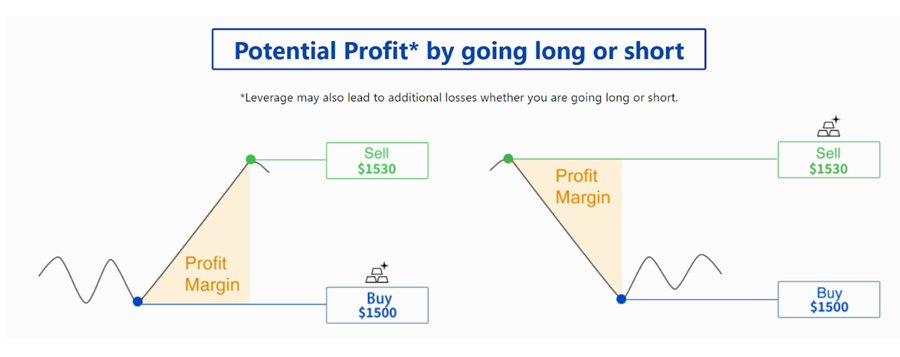
Traders can profit from both rising and falling currency markets.
10. Volatility
Volatility measures how much and how quickly a currency pair’s price moves. High-volatility pairs offer larger potential moves but also larger risk.
Major pairs such as EUR/USD tend to be less volatile than exotic pairs. Matching your strategy to the volatility of the pairs you trade is an often overlooked skill. Ignoring volatility is a hidden reason many beginners experience larger drawdowns than expected.
Putting the Terms Together: A Practical Example
Imagine you open a long EUR/USD position of one mini lot at 1.0850 with a stop loss 30 pips away and a take-profit target 60 pips away. You are using moderate leverage and have calculated that the risk fits your account size.
You now understand the currency pair, the pip value, the lot size, the stop loss, the take profit, and the risk involved. This is how professional traders think before they click the buy or sell button. Applying the full set of forex terms every new trader should know turns abstract concepts into concrete protection.
Hidden Risks New Traders Often Miss
Even after learning the core terms, several less obvious factors can surprise beginners:
- Slippage – the difference between expected and actual fill price during fast markets
- Overnight financing (swap) costs for positions held past the daily rollover
- Broker execution quality and order types
- Emotional reactions when leverage magnifies losses
The untold truth is that knowledge of terms is only the first step. Consistent application of risk rules is what separates lasting traders from those who leave the market quickly. Many accounts are damaged not by bad analysis but by poor application of these fundamentals.
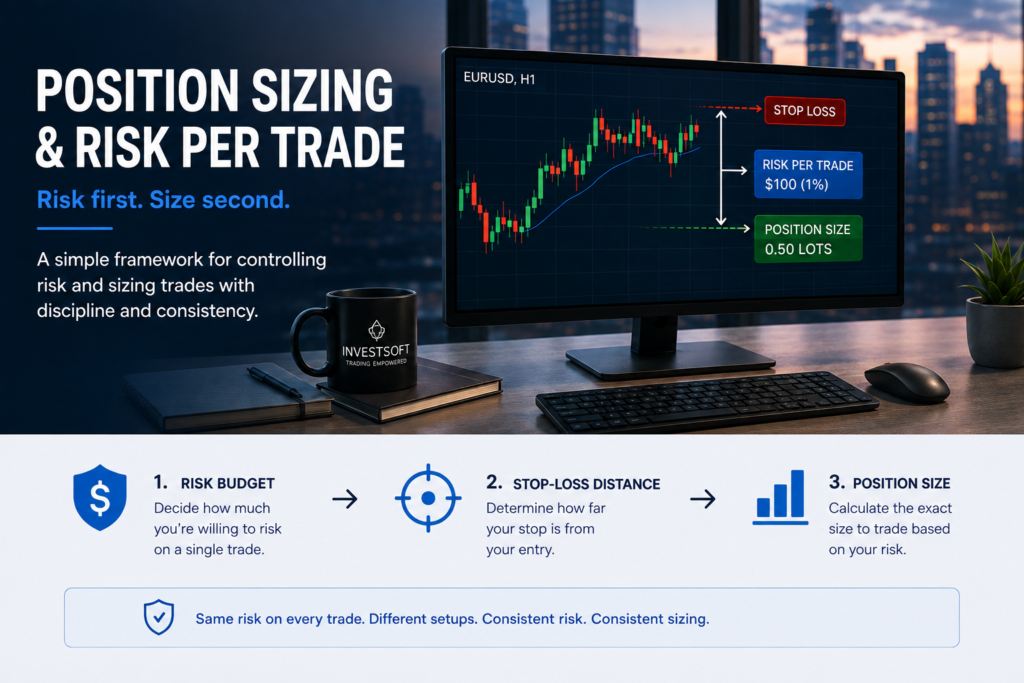
Strong risk management turns knowledge of forex terms into real protection.
How to Practice Before Opening a Live Account
Most reputable brokers offer free demo accounts with virtual money. Use the demo period to practice placing trades while applying every term covered in this article. Focus especially on position sizing, stop-loss placement, and understanding the impact of leverage.
Only move to a live account when you can consistently follow a written trading plan and keep losses small. Start with the smallest lot sizes available. Treat the demo phase as serious training rather than a video game so the habits transfer cleanly to real capital.
Final Thoughts and Next Steps
You now have a clear foundation in the most important forex terms every new trader should know. These concepts form the language of the market. Speak it fluently and you will make better decisions from day one.
Open a demo account today, practice the terms in real market conditions, and build the discipline that long-term success requires. When you are ready, choose a regulated broker and begin with capital you can truly afford to risk.
Ready to take the next step? Review your understanding of these ten terms, write a simple trading plan that includes stop losses and position sizing, and start practicing on a demo account this week. The sooner you turn knowledge into habit, the faster you reduce the risk of costly early mistakes.
Frequently Asked Questions
What is the most important forex term for beginners?
Leverage and margin are among the most critical because they directly control how much risk you take with each trade. Misunderstanding them can lead to rapid account losses.
How many pips should a beginner risk per trade?
Most experienced educators recommend risking no more than 1% of your account on any single trade. The exact number of pips depends on your stop-loss distance and lot size.
Is high leverage good for new traders?
No. High leverage increases the speed of both gains and losses. New traders usually benefit from lower leverage while they develop consistency and emotional control.
Do I need to memorize all these terms before trading?
You should understand them well enough to use them correctly. Full mastery comes through practice on a demo account rather than pure memorization.
What is the difference between a stop loss and a take profit?
A stop loss limits your loss by closing a losing trade at a set level. A take profit locks in gains by closing a winning trade at a set level. Both should be planned before you enter the trade.
Can I profit when the market is falling?
Yes. By taking a short position you profit if the base currency weakens against the quote currency. This two-way opportunity is one of the key advantages of forex trading.
For deeper reading on market structure and risk, consult educational resources from established providers such as BabyPips and the educational sections of major regulated brokers. You may also find useful material on risk management principles at Investopedia.