The debate over forex vs stocks for beginners continues to divide new traders. Some start with individual company shares because the concept feels familiar. Others jump straight into currency pairs because of the 24-hour access and high liquidity. Understanding the practical differences is the only way to make an informed choice.
Did you know that most retail traders lose money in both markets during their first year? The market itself is rarely the main problem — poor risk management, unrealistic expectations and lack of education cause the majority of failures. Still, the structural features of each market can make the learning curve steeper or gentler depending on your starting point.
Key Differences at a Glance
Here is a clear side-by-side comparison of the most important factors for beginners:
- Trading hours: Forex runs 24 hours a day, five days a week. Stocks are limited to exchange opening hours.
- Minimum capital: Many forex brokers allow accounts from $50–$100. Stock trading often requires more capital for meaningful position sizes.
- Leverage: Forex typically offers higher leverage (up to 1:30 or more for retail clients in regulated jurisdictions). Stocks usually have lower leverage.
- Complexity: Stocks involve company analysis, earnings and sector knowledge. Forex focuses more on macroeconomic factors and technical price action.
- Costs: Forex spreads can be very tight on major pairs. Stocks involve commissions, spreads and possible exchange fees.
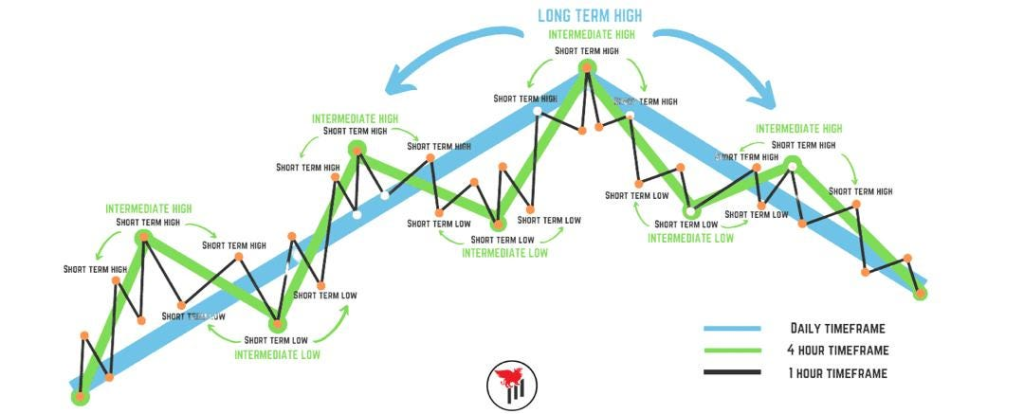
Side-by-side view of the main structural differences between the two markets.
Advantages of Starting with Stocks
Many educators still recommend stocks as the better entry point for complete beginners. The reasons are practical:
- You can buy and hold real ownership in companies you understand.
- Long-term investing requires less constant screen time than active forex trading.
- Educational resources about individual stocks and fundamental analysis are widely available and often free.
- The risk of rapid account destruction through high leverage is lower.
Buying shares of well-known companies feels tangible. You can follow news about the business, read annual reports and gradually learn how markets price future expectations. This slower pace helps many new traders develop patience and research habits before moving to faster markets.
Advantages of Starting with Forex
Forex also offers clear benefits that attract beginners:
- Extremely high liquidity on major pairs means you can enter and exit positions easily.
- The ability to profit from both rising and falling markets (going long or short) with equal ease.
- Lower capital requirements at many brokers.
- Access to markets almost around the clock, which suits people with day jobs.
The shocking reality is that many successful retail traders actually began in forex because the charts are cleaner and the focus stays on price action and risk management rather than company-specific stories.
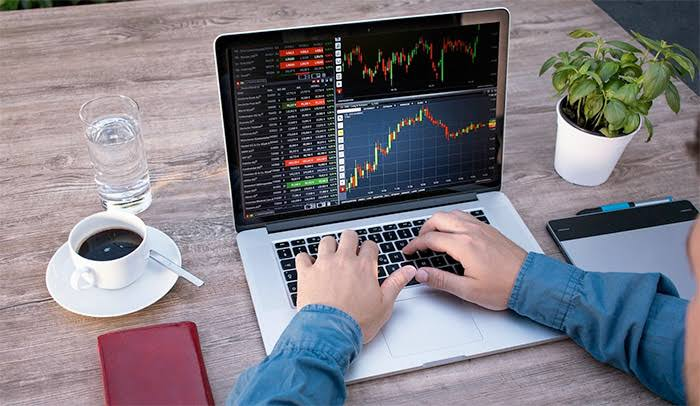
Both markets require discipline, but the daily routine differs significantly.
The Risk Reality Check
Leverage is the biggest hidden danger for beginners in forex. While it allows small accounts to control larger positions, it also multiplies losses. A 2% adverse move on a highly leveraged position can wipe out a large portion of the account.
Stocks carry their own risks — company-specific events, overnight gaps and lower liquidity in smaller names. However, the absence of extreme leverage usually gives beginners more room to recover from early mistakes.
The untold truth is that risk management skills transfer between both markets. A trader who learns position sizing, stop-loss discipline and emotional control in one market can apply those skills in the other.
Which Market Suits Different Types of Beginners?
There is no universal answer. The better choice depends on your situation:
- Prefer long-term investing and fundamental research → Stocks are usually the better starting point.
- Want to trade actively with technical analysis and have limited capital → Forex may suit you better.
- Can only trade in the evenings or have irregular hours → Forex’s 24-hour nature is an advantage.
- Are risk-averse and still learning basic concepts → Stocks generally provide a gentler learning environment.
Many experienced traders recommend mastering one market thoroughly before expanding. Switching too early often leads to confusion and repeated beginner mistakes.

Caption: Matching the market to your personality and schedule improves the odds of long-term success.
Practical Starting Advice for Either Market
Regardless of which path you choose, the following principles apply:
- Start with a demo account and treat it seriously for at least several weeks.
- Risk only a small percentage of capital on any single trade (commonly 0.5–1%).
- Keep a detailed trading journal from day one.
- Focus first on process and risk management rather than profits.
- Continue learning after you open a live account — the education never ends.
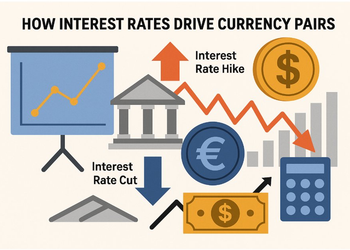
For further reading on related market mechanics, see our guide on how interest rate decisions move currency pairs.
Authoritative external resources include educational material from the Investopedia and regulatory guidance available through official financial authority websites.
Final Recommendation
For the majority of complete beginners, stocks offer a slightly more forgiving environment in which to learn the foundational skills of analysis, patience and risk control. Once those skills are established, many traders successfully expand into forex.
However, if you are drawn to macroeconomic themes, enjoy technical analysis and can strictly control leverage, starting directly in forex is also viable. The market that is “better” is simply the one you can trade with discipline and continuous improvement.
The most important decision is not forex versus stocks — it is the decision to treat trading as a serious skill that requires education, practice and emotional control. Choose the market that best supports that process for you, then commit fully.
Ready to begin? Open a demo account in your chosen market this week and start building real experience under controlled conditions.
Frequently Asked Questions
Is forex harder than stocks for beginners?
Forex can feel faster and more technical, while stocks require more company-specific knowledge. Difficulty depends more on the individual than on the market itself.
Can I start with a very small amount of capital?
Yes. Many forex brokers accept small deposits. Stock trading is also possible with modest capital, especially through fractional shares on some platforms.
Which market has lower costs for beginners?
Major forex pairs often have very tight spreads. Stock trading costs vary by broker and can include commissions plus wider spreads on less liquid shares.
Should beginners use high leverage in forex?
No. High leverage is the main reason many new forex traders lose money quickly. Use the lowest leverage that still allows sensible position sizing.
Can skills learned in one market transfer to the other?
Yes. Risk management, emotional discipline, chart reading and trade journaling transfer effectively between forex and stocks.
How long should I practise on a demo account?
Most educators recommend at least one to three months of consistent demo trading with a written plan before risking real money.