Knowing how to choose a reliable Forex broker can mean the difference between a safe trading journey and a costly mistake. With hundreds of platforms competing for clients, the hidden risks of poor regulation, difficult withdrawals and hidden fees remain real. This article walks you through a clear, practical process to evaluate any broker before you deposit funds.
Did you know that many of the biggest retail trading losses occur not from bad strategy but from choosing the wrong broker? The good news is that a systematic checklist makes the selection process far more straightforward.
1. Priorities Strong Regulation
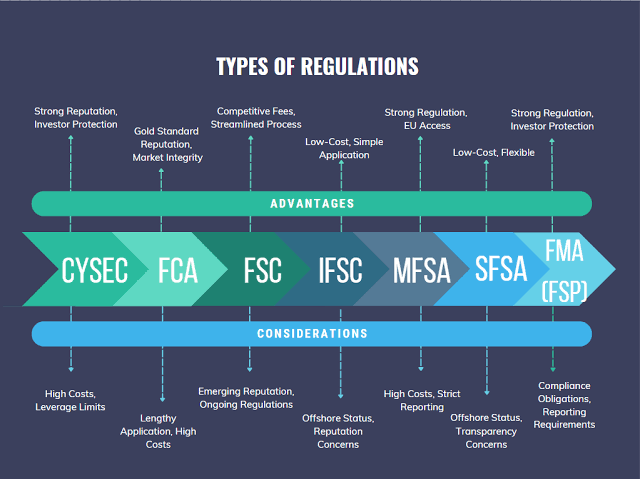
Regulation is the single most important factor when you choose a reliable forex broker. A properly regulated broker must follow strict capital requirements, client fund segregation and regular audits.
Look for licences from top-tier regulators such as:
- Financial Conduct Authority (FCA) – United Kingdom
- Australian Securities and Investments Commission (ASIC)
- Cyprus Securities and Exchange Commission (CySEC)
- National Futures Association (NFA) / Commodity Futures Trading Commission (CFTC) – United States
- Other respected authorities in Switzerland, Singapore or Japan
Always verify the licence number directly on the regulator’s official website. A broker that only claims regulation without providing a verifiable number should be avoided.
2. Check Fund Safety and Segregation
A reliable broker keeps client funds in segregated accounts at reputable banks. This means your money is kept separate from the company’s operating capital and should remain protected if the broker faces financial difficulties.
Ask these questions:
- Are client funds held in segregated accounts?
- Does the broker participate in any investor compensation scheme?
- Which banks hold the client money?
Brokers regulated by the FCA, ASIC or CySEC are generally required to maintain these protections.
3. Examine Trading Conditions and Costs
Transparent pricing is a clear sign of a professional operation. When you choose a reliable forex broker, carefully review:
- Typical spreads on major pairs (EUR/USD, GBP/USD, USD/JPY)
- Commission structure (if any)
- Overnight financing (swap) rates
- Maximum leverage offered to retail clients
- Minimum deposit requirements
Extremely tight spreads combined with very high leverage and aggressive marketing often signal higher risk. Compare real trading conditions on a demo account before committing real capital.
4. Test Withdrawal Speed and Reliability
The ability to withdraw funds quickly and without unnecessary obstacles is one of the strongest indicators of a trustworthy broker. Many traders only discover problems when they try to take profits out.
Before depositing significant amounts:
- Make a small deposit
- Trade for a short period
- Request a full withdrawal
- Time how long the process takes and note any extra requirements
Reliable brokers process withdrawals within 1–3 business days for most methods and do not create artificial barriers.
5. Evaluate Customer Support and Education
Quality support becomes critical when issues arise. Test the broker’s customer service by asking detailed questions via live chat, email and telephone. Response quality and speed reveal a lot about the company’s culture.
Also examine the educational resources offered. A broker that invests in genuine education rather than pure sales material usually demonstrates a longer-term approach to clients.
Responsive and knowledgeable support is a practical advantage in daily trading.
6. Review the Trading Platform and Tools
Most serious brokers offer MetaTrader 4, MetaTrader 5 or their own proprietary platform. Check for:
- Stability during high-volatility periods
- Mobile app quality
- Order execution speed
- Availability of charting tools and technical indicators
- Support for Expert Advisors (if you use automated strategies)
A reliable platform should feel smooth and professional rather than laggy or limited.
7. Research Reputation and Longevity
Search for independent reviews, forum discussions and any history of regulatory actions. A broker that has operated for many years under the same regulation generally carries lower risk than a newly launched platform with aggressive bonus offers.
Be especially cautious of brokers that:
- Push guaranteed high returns
- Offer unusually large welcome bonuses with complex terms
- Pressure you to deposit more money quickly
- Lack clear information about company ownership
The untold truth is that the most reliable brokers rarely need to use high-pressure sales tactics.
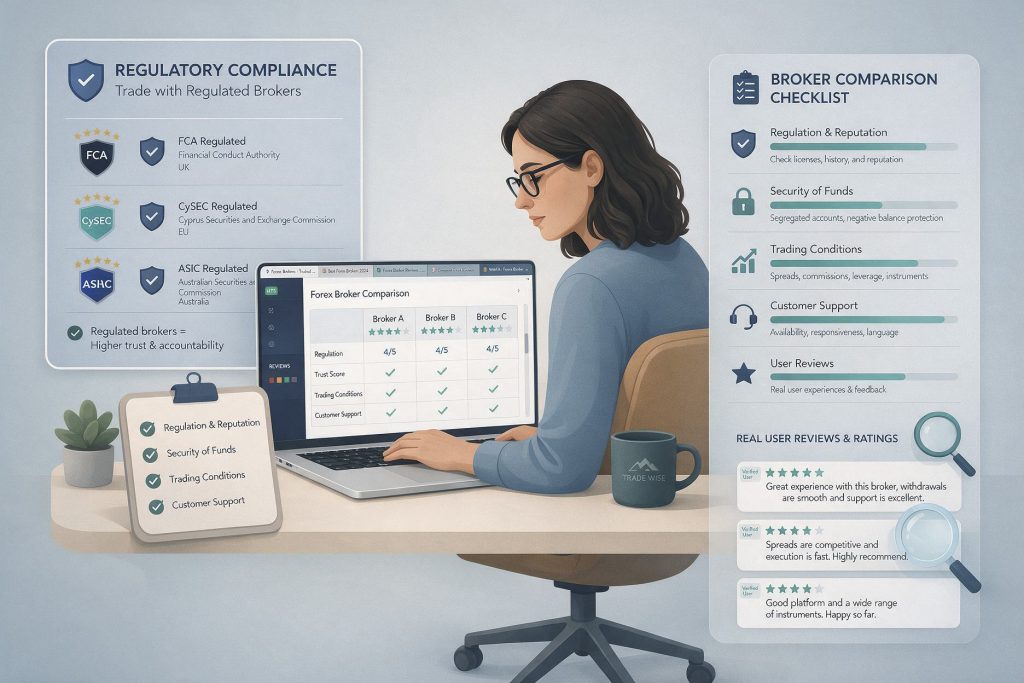
Independent reviews and regulatory history provide valuable insight.
Practical Checklist Before You Deposit
Use this final checklist every time you choose a reliable forex broker:
- Verify regulation on the official regulator website
- Confirm client fund segregation
- Compare real spreads and commissions on a demo account
- Test a small withdrawal
- Evaluate customer support quality
- Read recent independent reviews
- Ensure the platform meets your technical needs
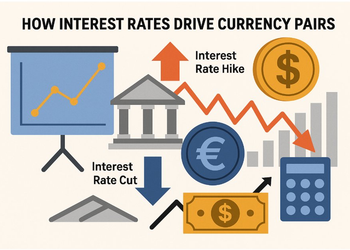
For additional context on market mechanics that affect trading results, see our guide on how interest rate decisions move currency pairs and the comparison of forex vs stocks for beginners.
Authoritative external resources include the official sites of the Financial Conduct Authority and the Australian Securities and Investments Commission.
Choosing a broker is not a one-time decision. Re-evaluate your broker periodically as your capital, strategy and experience grow. A reliable partner supports your progress rather than creating obstacles.
Take action today: Open demo accounts with two or three shortlisted brokers and run them side by side for at least two weeks. The differences in execution, costs and support will quickly become clear.
Frequently Asked Questions
What is the most important factor when choosing a forex broker?
Strong regulation from a reputable authority is the single most important factor. Everything else builds on that foundation.
Are offshore brokers always unsafe?
Not always, but they generally offer weaker client protections. Most experienced traders prefer brokers regulated in major financial centres.
How can I verify a broker’s licence?
Visit the official website of the claimed regulator and search for the company name or licence number. Never rely solely on the broker’s own claims.
Should I choose a broker based on the highest leverage?
No. High leverage increases both potential profits and potential losses. Focus first on regulation, costs and reliability.
Is a demo account enough to test a broker?
A demo account is useful for platform and conditions testing, but a small live deposit followed by a withdrawal provides the real test of fund safety and processing speed.
How often should I review my broker choice?
Reassess at least once a year or whenever your trading volume, strategy or capital size changes significantly.