

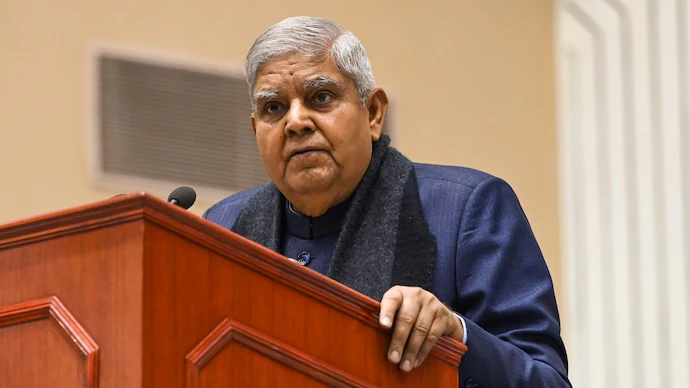
In a surprising turn of events, Jagdeep Dhankhar resigns from his position as the Vice President of India, leaving the political establishment and citizens across the nation stunned. This development marks a significant moment in Indian politics, especially with the Lok Sabha elections around the corner.
As Jagdeep Dhankhar resigns, speculations abound regarding the reasons behind his decision and the potential implications on the BJP-led NDA government. Many experts are analyzing the timing, context, and consequences of this high-profile resignation.
Comprehensive Outline
Who is Jagdeep Dhankhar?
Jagdeep Dhankhar, a seasoned lawyer and political figure, has been one of the prominent faces in Indian governance. Before becoming the 14th Vice President of India in August 2022, Dhankhar held numerous positions, including the Governor of West Bengal and Member of Parliament from Jhunjhunu, Rajasthan. Known for his sharp legal mind and loyalty to the ruling BJP, he played a pivotal role in legislative affairs and Rajya Sabha proceedings.
Journey from Advocate to Vice President
Born in 1951 in Rajasthan, Dhankhar’s journey is one of grit and ambition. After graduating in law from the University of Rajasthan, he became a successful advocate in the Supreme Court and Rajasthan High Court. His political career began in the late 1980s when he joined the Janata Dal, later aligning with Congress, and eventually finding a firm footing in the BJP.
He became a Member of Parliament in 1989, held a brief term as Minister of State for Parliamentary Affairs in 1990, and was appointed Governor of West Bengal in 2019. His tenure in West Bengal was marked by confrontations with the Mamata Banerjee government, showcasing his assertive approach toward governance.
Reasons Behind Jagdeep Dhankhar’s Resignation
Though the official reason for Dhankhar’s resignation has not yet been disclosed, several political analysts suggest it may be linked to:
- Health concerns or personal issues, though no reports confirm this.
- Disagreements within the ruling NDA over parliamentary proceedings or political strategy.
- A potential shift to contest an active political role ahead of the 2025 elections.
- Internal reshuffling in the BJP leadership with eyes on upcoming state or general elections.
As of now, Rashtrapati Bhavan has acknowledged receipt of his resignation, and official statements are awaited.
Political Timeline: From Governor to VP
| Year | Position | Key Highlights |
|---|---|---|
| 1989 | MP (Jhunjhunu) | Entered Parliament as a Janata Dal member |
| 1990 | MoS Parliamentary Affairs | Brief ministerial stint under Chandra Shekhar govt |
| 2019 | Governor of West Bengal | Known for clashes with Mamata Banerjee |
| 2022 | Vice President of India | Elected with overwhelming majority |
Immediate Reactions from Political Parties
BJP’s Official Response
The Bharatiya Janata Party issued a brief statement thanking Dhankhar for his “dedicated service” and respecting his “personal decision.” Prime Minister Modi is expected to address the matter in the coming days.
Opposition Leaders Weigh In
Congress leader Rahul Gandhi called for “transparency” on the resignation, while Trinamool’s Mamata Banerjee stated, “His role in Indian politics was both controversial and important.” Aam Aadmi Party has demanded clarification on the reason and the government’s succession plan.
Possible Successors for Vice President
The political chatter has already begun regarding possible replacements. Names circulating include:
- Dr. Subramanian Swamy
- Smriti Irani
- Om Birla
- Venkaiah Naidu (though unlikely due to prior term)
Constitutional Protocol After Resignation
According to Article 66 and Article 69 of the Indian Constitution, once a Vice President resigns, the Rajya Sabha chairman duties are temporarily transferred to the Deputy Chairman or the President of India until a new Vice President is elected.
The Election Commission is expected to notify a special Vice Presidential election within six months of the vacancy.
Impact on Indian Politics and Governance
Jagdeep Dhankhar’s resignation is more than symbolic—it may represent a deeper unrest within the ruling party or a strategic move toward election preparation. His active handling of Rajya Sabha sessions and legal acumen will be missed at a time when parliamentary debates are already under scrutiny.
Public Reactions and Social Media Buzz
On X (formerly Twitter), the hashtag #DhankharResigns trended within hours. Netizens expressed mixed emotions, with some praising his courage and others accusing the BJP of mismanaging internal affairs.
“Respect to Dhankhar Ji. Politics may not understand integrity.” – @RajeevKhanna
“This is a warning signal for BJP.” – @SoniaSharma1984
Historical Context: Other Vice Presidential Resignations
Very few Vice Presidents have resigned before completing their term. The most notable was Dr. Shankar Dayal Sharma, who resigned in 1992 to contest the Presidential elections.
How This Affects the 2025 Lok Sabha Elections
The timing of Dhankhar’s resignation just ahead of campaign season raises questions:
- Will BJP replace him with a younger or regional leader to appeal to a specific voter base?
- Is this part of a broader realignment strategy for 2025?
- Could this shake opposition unity or spark early debates in Parliament?
International Media Coverage
International outlets such as The Guardian, BBC, and Al Jazeera have picked up the story, focusing on the broader implications for India’s democratic institutions. The BBC stated, “This signals internal unrest within India’s ruling elite.”
FAQs
1. Why did Jagdeep Dhankhar resign as Vice President?
No official reason has been confirmed, but political speculations point to strategic or personal motives.
2. Who will take over after Dhankhar?
The Rajya Sabha Deputy Chairman or President will assume temporary duties until a new VP is elected.
3. Will Dhankhar join the 2025 Lok Sabha race?
There is no confirmation, but political circles suspect a return to active politics.
4. What does the Constitution say about VP resignation?
Article 69 allows a Vice President to resign by submitting a letter to the President.
5. How soon will a new Vice President be elected?
Within 6 months, as per constitutional guidelines.
6. Did any other Vice President resign before?
Yes, Dr. Shankar Dayal Sharma in 1992 to contest for the President’s post.
Conclusion
Jagdeep Dhankhar’s resignation as Vice President of India marks a significant political moment. As one of the most active and visible Vice Presidents in recent times, his departure will surely shift parliamentary dynamics and political calculations in the run-up to the 2025 general elections.
All eyes are now on the BJP’s next move—and on the Election Commission, which must now begin preparations for a Vice Presidential election that could set the tone for the coming political season.