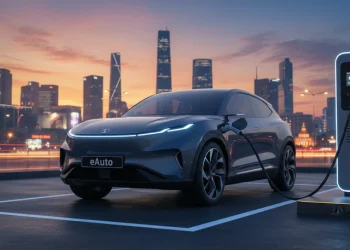
Transport is evolving faster than ever before, and The Future of Mobility promises a world where flying cars soar above traffic, smart vehicles navigate themselves, and e-bikes redefine the daily commute. Driven by innovation and necessity, mobility tech is reshaping how we travel within and between cities.
From groundbreaking pilot programs to new policies in urban planning, emerging trends like electric vertical takeoff aircraft (eVTOL), connected autonomous cars, and micro-mobility solutions are tackling congestion, pollution, and accessibility. Let’s explore how these technologies are setting the stage for a smarter, cleaner, and more efficient tomorrow.
Full SEO Article
1. Flying Cars: From Sci-Fi to Sky Lanes
Flying cars, especially eVTOL crafts, are undergoing extensive testing in cities like Dubai, Los Angeles, and Paris. These aerial taxis aim to slash commute times and reduce ground traffic. Companies like Joby Aviation and Volocopter are partnering with regulators to develop safe air lanes, vertiports, and pilotless systems.
2. E-Bikes and Micro-Mobility Rise
E-bikes, scooters, and other compact electric vehicles are becoming a staple in urban centers. Their popularity stems from affordability, lower emissions, and ease of use. Cities are investing in protected lanes and charging stations to support the shift to short-distance, sustainable micro-transport.
3. Smart Vehicles and Autonomous Driving
Smart vehicles now feature AI-powered navigation, auto-parking, and advanced safety systems. Brands like Tesla, Waymo, and Mercedes-Benz are trialing fully autonomous fleets in multiple cities. These vehicles communicate with infrastructure and each other using 5G, improving traffic flow and reducing accidents.
4. Pilot Programs Driving Real-World Testing
Governments and private companies are collaborating on pilot programs worldwide. Projects like Uber Elevate (USA), Mobility-as-a-Service (Finland), and CargoPod (UK) allow authorities to test user behavior, safety, and logistics before full-scale implementation.
5. Urban Planning Gets a Makeover
To accommodate new mobility tech, city planners are rethinking infrastructure. Traditional parking lots are being converted into charging hubs, skyports, or mobility stations. Smart traffic management systems powered by sensors and data analytics help reduce gridlock and pollution.
6. Environmental and Social Impacts
Shifting to electric and shared vehicles reduces greenhouse gas emissions while promoting accessibility for underserved populations. However, success depends on equitable deployment — ensuring low-income neighborhoods also benefit from future transport solutions.
7. Challenges Ahead
Issues like air traffic regulation, cybersecurity, public trust, and infrastructure funding remain major hurdles. Policymakers must strike a balance between innovation and safety while addressing concerns around job loss in traditional transport sectors.
Conclusion
The journey toward the future of mobility is already underway. Flying cars, smart vehicles, and e-bike ecosystems are no longer futuristic fantasies but emerging realities. As pilot programs expand and urban planners adapt, tomorrow’s transport systems will be cleaner, faster, safer — and smarter.