


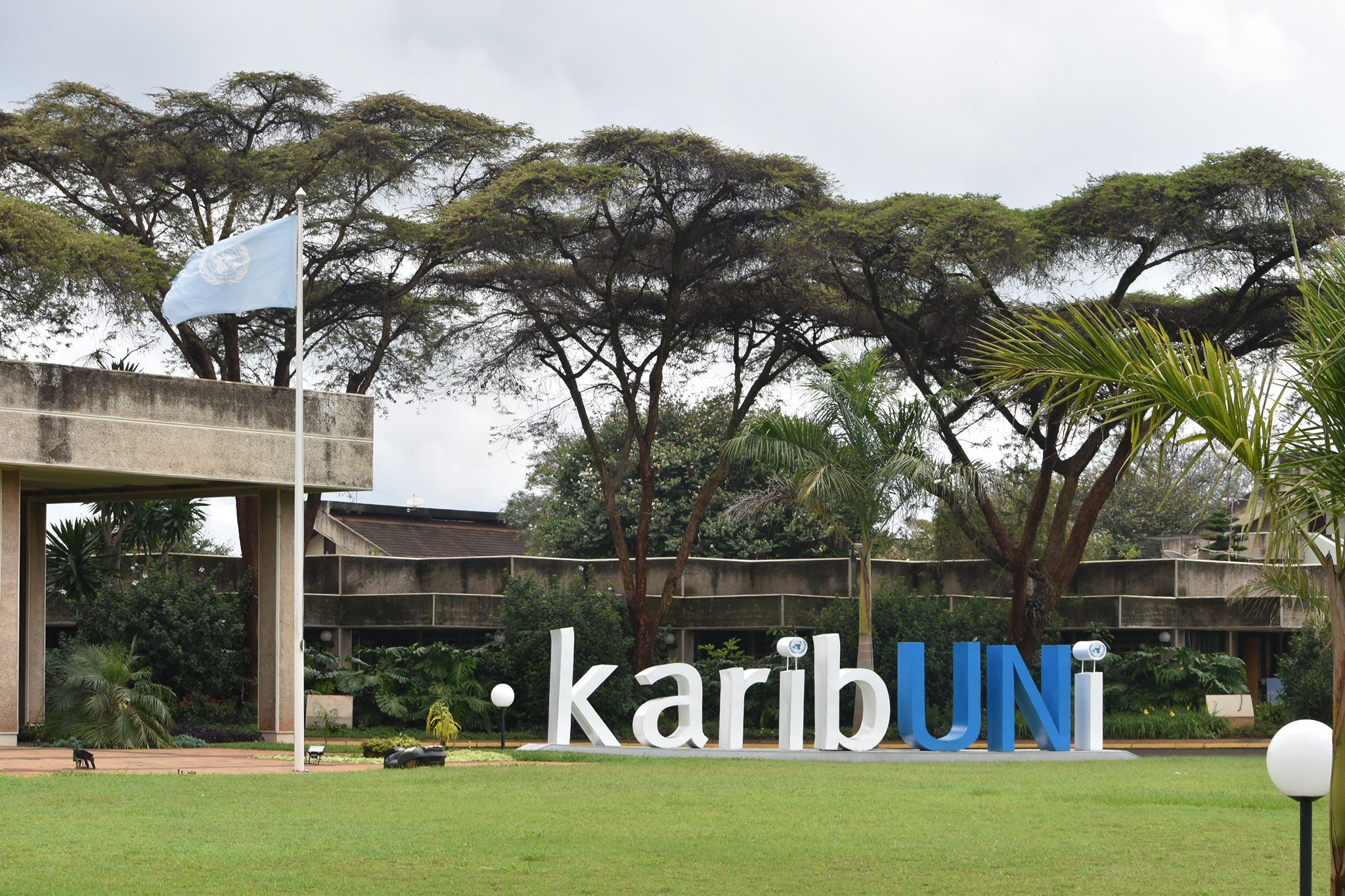
In a groundbreaking development, the UN move to Nairobi has been confirmed, signaling one of the most significant shifts in global governance in recent decades. Nairobi, already home to the UN Environment Programme (UNEP) and UN-Habitat, will now become the central hub for a wider range of United Nations operations.
This relocation raises important questions: Why Nairobi? What does this mean for Kenya and Africa? And how will it affect global geopolitics, local communities, and urban growth? Let’s explore the ambitions behind the move, the challenges ahead, and the ripple effects shaping Nairobi’s transformation into a global city.
Why the UN Chose Nairobi
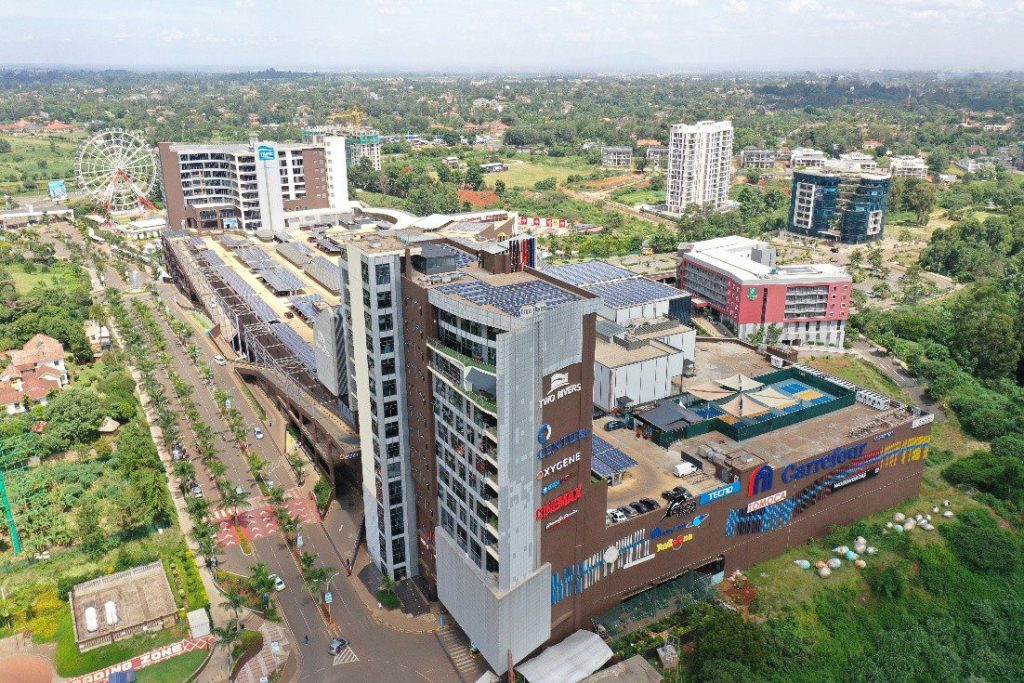
- Strategic Position in Africa
- Nairobi sits at the crossroads of East Africa, making it a natural gateway for continental operations.
- Kenya’s strong diplomatic ties and history of hosting international organizations boosted its candidacy.
- Expanding Role of the Global South
- The UN move to Nairobi reflects a broader recognition of Africa’s rising influence in world affairs.
- With over 1.4 billion people, Africa is central to global development, climate, and security agendas.
- Sustainability and Green Diplomacy
- Nairobi has pioneered climate-focused urban policies.
- Hosting UNEP and UN-Habitat has made it a symbol of sustainable development diplomacy.
Impacts on Local Communities
- Economic Growth
- The relocation is expected to generate tens of thousands of jobs in construction, logistics, and hospitality.
- An influx of international staff and missions will stimulate Nairobi’s real estate and service sectors.
- Urban Pressure
- On the flip side, the city faces challenges in housing, traffic congestion, and infrastructure strain.
- Urban planners are racing to expand transport systems like the Nairobi Expressway and commuter rail.
- Youth Opportunities
- Kenya’s large youth population could benefit from internships, jobs, and training programs created by the UN presence.
How It Aligns with UN Goals
- Decentralization of Power
- Shifting from traditional centers like New York and Geneva, the UN aims to make its leadership more globally representative.
- Sustainable Development Agenda
- Nairobi embodies the SDGs (Sustainable Development Goals) focus, especially on urban growth, climate resilience, and inclusive economies.
- Digital and Innovation Hubs
- Kenya’s reputation as the “Silicon Savannah” supports the UN’s ambition to integrate tech-driven solutions into governance.
Nairobi’s Urban Shifts
- Diplomatic Quarter Expansion
- A new “UN City” is planned, complete with green buildings, secure offices, and residential zones.
- Transport Modernization
- Investments in smart mobility, BRT (Bus Rapid Transit), and upgraded airports will support global connectivity.
- Cultural and Social Influence
- Nairobi is set to become a melting pot of cultures, with increased global conferences, expos, and civic diplomacy events.
Challenges to Anticipate
- Security Risks: Nairobi must bolster its counter-terrorism and cybersecurity frameworks.
- Cost of Living: Rising rents and inflation could price out locals.
- Equitable Growth: Ensuring benefits reach marginalized communities will be key to public support.
Conclusion
The UN move to Nairobi marks a historic moment in global governance and African diplomacy. For Kenya, it is both an opportunity and a test—can Nairobi handle the infrastructural, social, and economic demands of becoming a true global city?
If successful, Nairobi won’t just host the UN; it will reshape how the world sees Africa’s role in the 21st century.