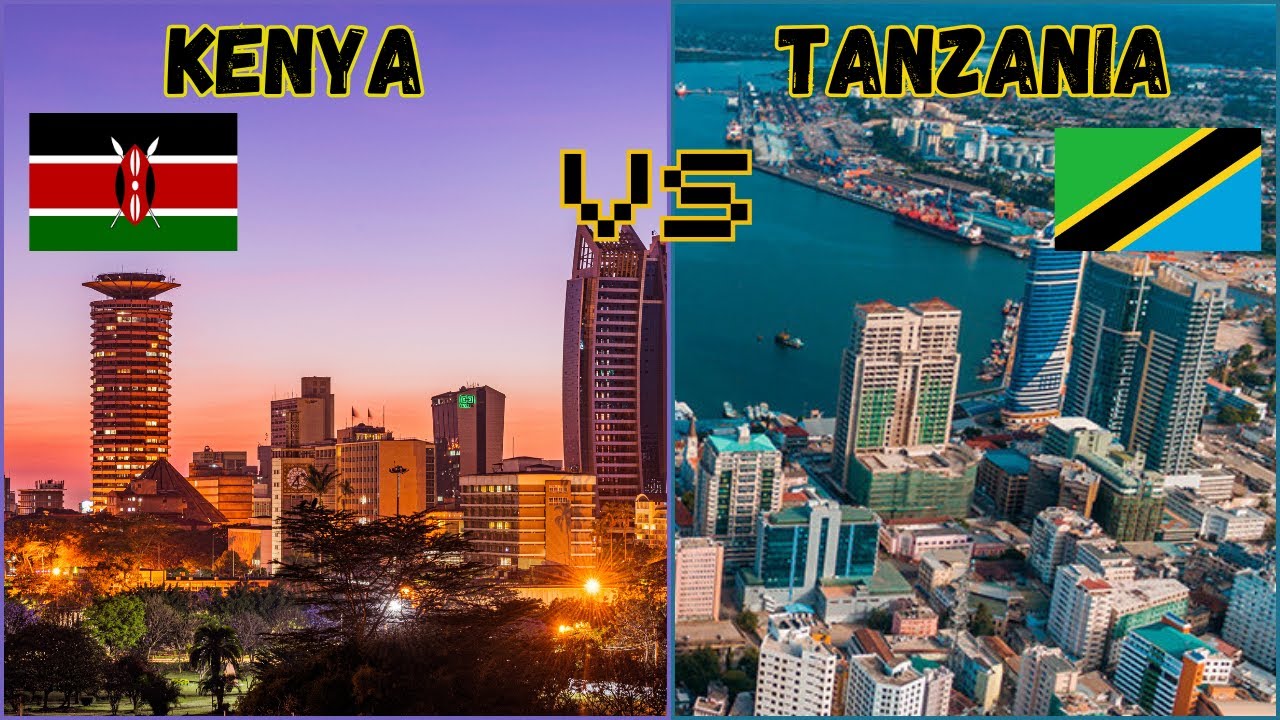
The Kenya Tanzania rivalry once again took center stage during the 2025 CHAN tournament, reminding fans that football can reflect deeper societal and regional dynamics. Matches between the two nations are always intense, combining passion, pride, and competitive energy. In this year’s tournament, the rivalry was particularly visible, stirring emotions among fans and highlighting how sports can both unite and divide.
Beyond the pitch, such rivalries carry implications for East African integration. While Kenya and Tanzania share strong historical, cultural, and economic ties, moments of intense competition like CHAN can test the pace of regional cohesion. This article explores the rivalry, its effects on East African integration, and whether it’s simply a friendly neighborly dispute or a deeper tension.
The Roots of the Kenya–Tanzania Rivalry
The Kenya–Tanzania rivalry is long-standing and multi-layered:
- Historical Sporting Rivalry: From football and athletics to rugby, matches between the two countries have always drawn attention. Football, in particular, generates the highest emotional stakes due to its mass following in both countries.
- Cultural and Regional Pride: Fans see matches as an extension of national identity. Victory isn’t just about sports; it’s a matter of pride and bragging rights.
- Economic and Political Undertones: Trade disagreements, border discussions, and competition for regional leadership sometimes seep into sports, intensifying rivalry narratives.
During CHAN 2025, this rivalry manifested not just on the pitch but in media coverage, social media debates, and fan interactions across East Africa.
CHAN 2025: Rivalry Laid Bare
Matches between Kenya and Tanzania are never neutral. In CHAN 2025, the clash exposed the rivalry vividly:
- Competitive Intensity: Both teams played aggressively, each seeking dominance, showing that historical rivalries influence modern competition.
- Fan Reactions: Kenyan and Tanzanian fans engaged in spirited debates online, showcasing pride and regional loyalty.
- Media Narratives: Local and regional media framed the encounters as symbolic battles for East African football supremacy.
While the match outcomes are transient, the emotions and narratives around them persist, reflecting a rivalry that goes beyond sport.
How This Impacts East African Integration
The East African Community (EAC) aims to promote regional integration, free trade, and cultural unity. Sporting rivalries like Kenya–Tanzania, however, can influence this process in several ways:
- Strengthening Regional Identity: Friendly rivalries foster regional identity by encouraging interaction, tourism, and fan exchange across borders. Traveling to watch matches or supporting neighbors’ players can build cross-cultural understanding.
- Highlighting Tensions: On the flip side, intense fan conflicts, media exaggeration, or political undertones can temporarily strain relations, giving outsiders the impression of deep divides.
- Opportunity for Diplomacy: Sports diplomacy can be used to bridge differences, with joint initiatives, tournaments, and youth programs promoting cohesion.
In essence, rivalries like Kenya–Tanzania are a double-edged sword: they can unite by celebrating shared passion, but they can also slow integration if competition overshadows cooperation.
Is This Just a Neighborly Disagreement?
While rivalries are normal between neighboring nations, context matters. The Kenya Tanzania rivalry is mostly rooted in pride and competition rather than genuine hostility:
- Sportsmanship Prevails: Players often show mutual respect after games, and federations work together on regional tournaments.
- Shared Interests: Both countries benefit from EAC projects, trade, and tourism, highlighting that disagreements on the field rarely translate to serious political rifts.
- Cultural Exchange: Rivalry encourages engagement through sports festivals, fan clubs, and youth programs, reinforcing neighborly ties.
Thus, while the rivalry is emotionally charged, it largely remains a healthy expression of competition rather than a threat to peace or integration.
Lessons for East African Integration
- Harness Rivalries Positively: Governments and sports bodies can leverage these competitions to foster dialogue and youth engagement.
- Promote Sports Diplomacy: Joint tournaments, training programs, and fan exchanges can turn rivalry into collaboration.
- Media Responsibility: Balanced reporting reduces sensationalism that could inflame tensions.
- Celebrate Shared Identity: Highlighting common history, culture, and economic interdependence can offset competitive negativity.
If approached strategically, sports rivalries can be a catalyst for stronger East African unity rather than a barrier.
Conclusion
The Kenya Tanzania rivalry at CHAN 2025 demonstrated both the passion and pride inherent in regional competition. While the matches may spark intense emotions, they also offer a platform for cultural exchange, mutual respect, and the celebration of East African talent.
Far from threatening integration, this rivalry can serve as a tool for growth if harnessed constructively. Fans may debate, players may clash on the pitch, but off it, Kenya and Tanzania remain partners in shaping the future of a united East Africa.