

The world today faces escalating climate and disaster crises, with Myanmar, Gaza, and Afghanistan standing out as stark examples of vulnerability. These regions are not only challenged by natural calamities but also by prolonged conflict, fragile governance, and limited resources. As climate pressures mount, their people find themselves at the intersection of environmental and humanitarian emergencies.
From floods sweeping through Myanmar’s rural communities, to infrastructure breakdowns in Gaza under siege, and recurring droughts in Afghanistan, the toll is devastating. By examining these crises together, we can better understand the urgent need for global cooperation, sustainable resilience measures, and humanitarian support.
Understanding Climate and Disaster Crises
The term climate and disaster crises refers to the compounded threats of extreme weather, environmental degradation, and natural disasters, often worsened by political instability and conflict. For countries like Myanmar, Gaza, and Afghanistan, these crises are not isolated events but recurring patterns that disrupt livelihoods, damage infrastructure, and push communities deeper into poverty.
While natural disasters can happen anywhere, their impact is always magnified in fragile states. Limited governance capacity, underfunded disaster response systems, and pre-existing humanitarian challenges make recovery slow and uneven. These three regions provide critical case studies of how climate change intersects with conflict and human suffering.
Myanmar: Battling Cyclones and Floods
Myanmar sits in a disaster-prone region of Southeast Asia, making it especially vulnerable to tropical storms, floods, and cyclones. Cyclone Nargis in 2008 killed more than 138,000 people, and since then, extreme weather events have continued to devastate communities. Seasonal floods regularly displace thousands, damaging rice paddies—the lifeblood of Myanmar’s agricultural economy.
Beyond natural factors, political turmoil has worsened disaster management. Following the 2021 military coup, many international organizations scaled back operations, limiting aid. Rural populations, especially in the Irrawaddy Delta and Rakhine State, remain largely unsupported in adapting to climate risks. Rising sea levels threaten to submerge farmlands, forcing many to migrate or face chronic food insecurity.
Gaza: Environmental Collapse Under Conflict
Gaza faces a unique form of disaster—one born out of conflict, blockade, and environmental degradation. With 2.2 million people living in one of the world’s most densely populated areas, even minor disasters create large-scale humanitarian emergencies. Climate pressures, such as heatwaves and rising sea levels, compound existing vulnerabilities.
The collapse of water and electricity infrastructure has turned climate-related shocks into existential threats. Contaminated groundwater and limited access to clean water worsen health risks, while damaged sewage systems raise the likelihood of disease outbreaks during floods. For Gaza, climate and disaster crises are inseparable from the political situation—without stability and freedom of movement, resilience measures remain almost impossible.
Afghanistan: Drought and Earthquakes in a Fragile State
Afghanistan’s mountainous terrain and arid climate make it particularly vulnerable to earthquakes, floods, and droughts. In recent years, prolonged droughts have devastated farming communities, leading to food shortages and mass displacement. The United Nations reports that nearly half of Afghanistan’s population faces acute food insecurity, a crisis worsened by climate extremes.
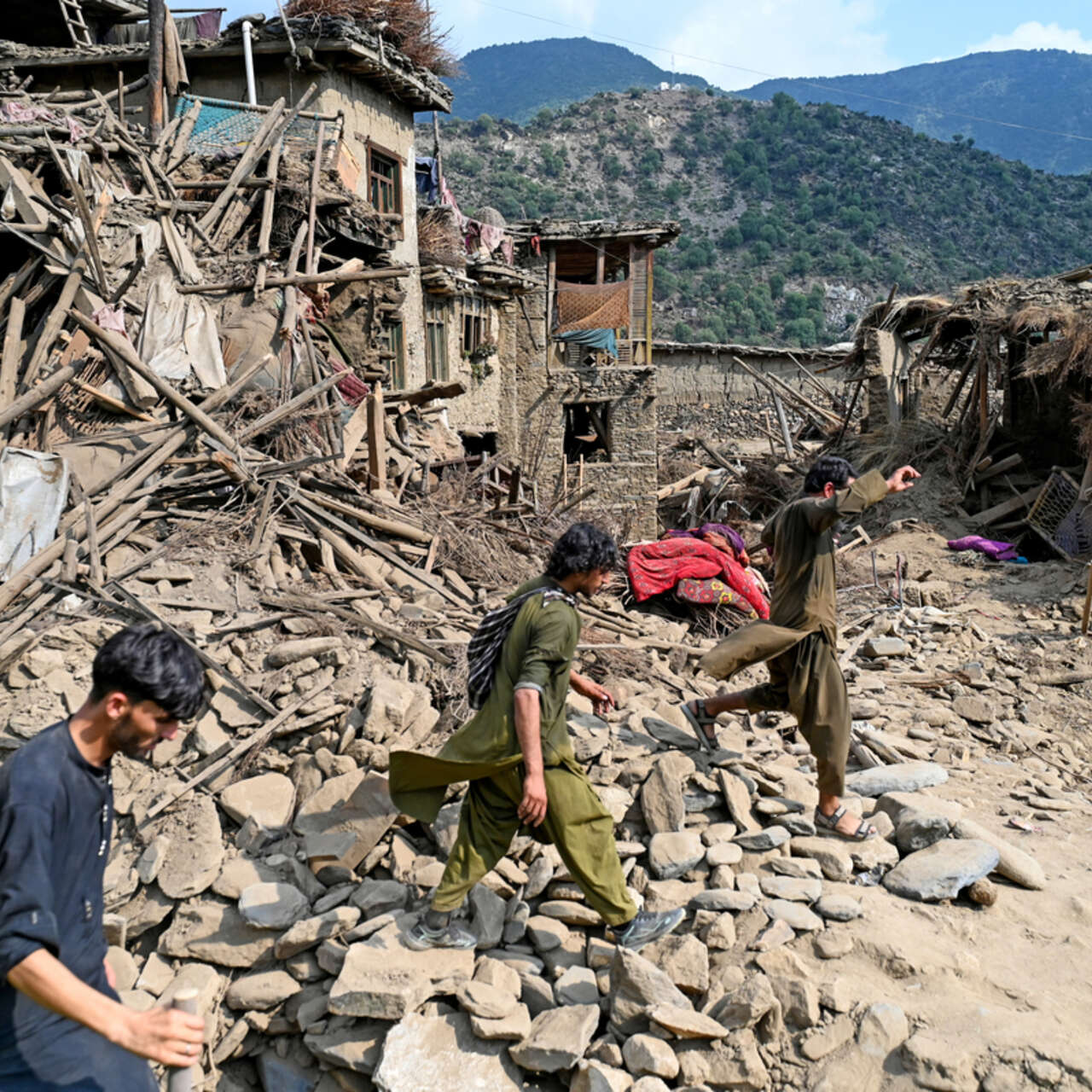
Earthquakes add another layer of tragedy. In 2023, multiple quakes struck western Afghanistan, killing thousands and leaving tens of thousands homeless. Recovery efforts have been slow due to international sanctions, limited financial aid, and governance issues under the Taliban. The combination of political fragility and harsh climate conditions means Afghan communities are often left to cope with disasters on their own.
Common Threads Across Myanmar, Gaza, and Afghanistan
Although geographically distinct, Myanmar, Gaza, and Afghanistan share strikingly similar challenges:
- Weak governance structures – Political instability hampers effective disaster response.
- High vulnerability of civilians – Women, children, and rural communities bear the heaviest burden.
- Dependence on international aid – Limited internal capacity makes recovery reliant on external support.
- Recurring displacement – Natural and man-made disasters fuel cycles of migration and instability.
By comparing these regions, it becomes clear that climate and disaster crises are not just environmental problems but deeply political and humanitarian ones.
Global Responsibility and Response
Addressing crises in these fragile contexts requires both immediate relief and long-term resilience strategies. International aid remains critical, yet it often arrives inconsistently due to political complications. Humanitarian corridors, climate adaptation funding, and community-driven resilience programs are necessary to reduce vulnerability.
Global climate negotiations also have a role to play. Nations like Myanmar, Gaza, and Afghanistan contribute very little to global carbon emissions, yet they suffer some of the harshest consequences. This inequity underscores the importance of climate justice: wealthier nations must support adaptation and recovery efforts in fragile states.
Building Resilience for the Future
Despite the grim realities, there are pathways toward hope:
- Community-based disaster preparedness: Training local populations in early warning systems and sustainable farming techniques.
- Investment in infrastructure: Building flood defenses, earthquake-resistant housing, and resilient water systems.
- Regional cooperation: Encouraging neighboring countries to share resources and expertise.
- Integrating climate action with peacebuilding: Stability and governance reforms are essential for sustainable climate resilience.
For people in Myanmar, Gaza, and Afghanistan, resilience is not just about rebuilding—it is about ensuring survival in the face of repeated shocks.
Conclusion
The escalating climate and disaster crises in Myanmar, Gaza, and Afghanistan highlight the devastating intersection of environmental stress and human fragility. These regions remind the world that climate change is not just a scientific issue but a humanitarian one. Without stronger global solidarity, millions will remain trapped in cycles of vulnerability.
The stories of these three regions carry a broader warning: as climate pressures intensify, fragile states everywhere risk collapse. By learning from their struggles, the international community has a chance to build systems that protect the world’s most vulnerable—and, ultimately, our shared future.