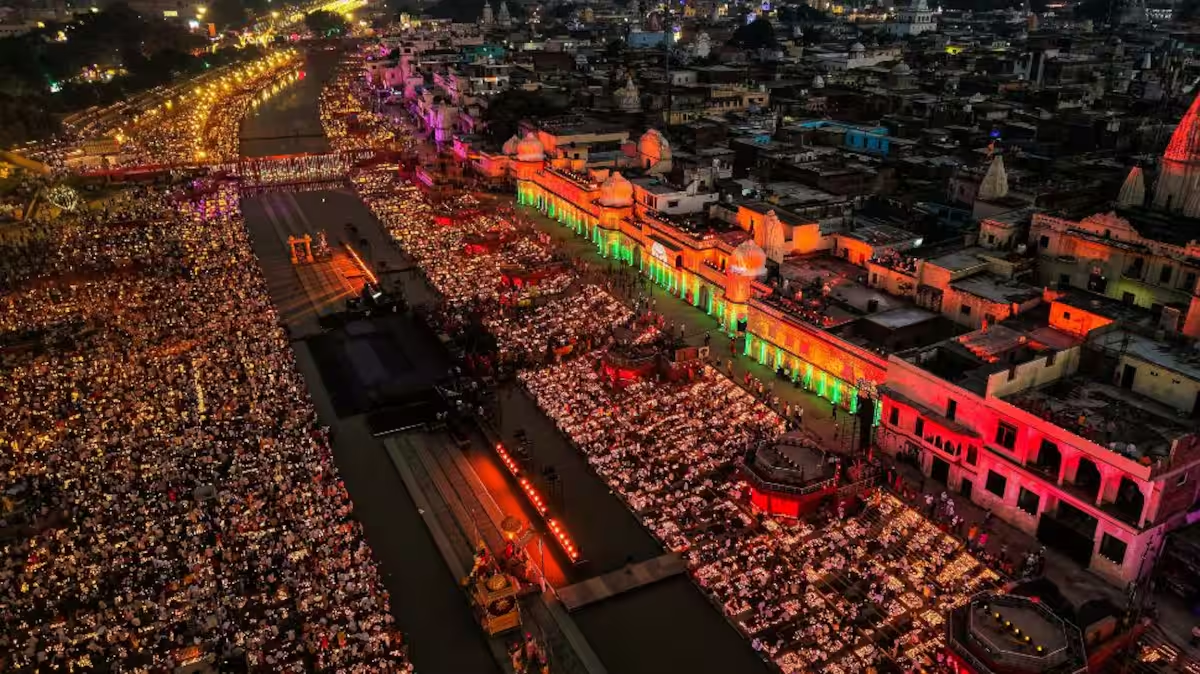
Historic Recognition by UNESCO
UNESCO has officially inscribed Deepavali on its Representative List of the Intangible Cultural Heritage of Humanity. This milestone acknowledges Deepavali as a festival with enduring cultural, social, and community value across India and the global Indian diaspora.
The recognition underscores the festival’s traditions, including lighting lamps, decorating homes, creating rangoli art, performing rituals, and celebrating with family and community gatherings.
Significance of Deepavali as Cultural Heritage
Deepavali, also known as Diwali, celebrates the triumph of light over darkness and good over evil. The festival encompasses a variety of regional practices, religious observances, and social customs. UNESCO’s recognition highlights the cultural diversity, artistic expression, and shared community values embedded in Deepavali celebrations.
Key Cultural Practices
- Lamp Lighting: Diyas illuminate homes and streets, representing spiritual light and hope.
- Rangoli Art: Colorful patterns on floors showcase creativity and hospitality.
- Community Gatherings: Families exchange gifts, share sweets, and strengthen social bonds.
- Craftsmanship: Artisans producing lamps, sweets, and decorative items benefit economically and culturally.
India’s Presence on UNESCO Heritage Lists
With Deepavali added, India now has 16 elements on UNESCO’s Intangible Cultural Heritage list, joining Yoga, Durga Puja, Kumbh Mela, Ramlila, and other traditions. This reflects India’s diverse living heritage and the importance of preserving these practices for future generations.
Global Reactions and Celebrations
The inclusion of Deepavali in UNESCO’s list was celebrated nationwide. Cultural organizations, state governments, and communities across India held events highlighting the festival’s traditions. Globally, Indian diaspora communities welcomed the recognition, emphasizing how Deepavali promotes cultural understanding and shared values worldwide.
Impact on Communities and Cultural Preservation
UNESCO recognition ensures structured efforts to document and preserve Deepavali rituals, fostering knowledge transmission and maintaining the authenticity of traditional practices. It also creates opportunities for cultural education and promotes tourism, benefiting local communities economically and socially.
How the Recognition Strengthens Cultural Identity
By designating Deepavali as UNESCO heritage, the festival gains international validation as a cultural symbol. This strengthens community pride, encourages younger generations to participate in traditional practices, and ensures cultural continuity.
Internal Resources for Readers
- Guide X: Understanding Intangible Cultural Heritage – Insights into UNESCO’s heritage categories and their significance.
- Blog Z: Indian Festivals Around the World – Explore how festivals like Deepavali are celebrated globally.
- Resources A: Safeguarding Cultural Practices – Practical tools for preserving community heritage.
- Tools B: Community Culture Toolkits – Guides for cultural documentation and education.
External Authoritative References
- UNESCO Intangible Cultural Heritage List
- United Nations
- World Bank Cultural Programs
- Government of India Portal
Frequently Asked Questions
What does it mean that Deepavali is UNESCO heritage?
It means UNESCO recognizes Deepavali as a living cultural tradition of global significance, encouraging preservation and cultural continuity.
How many Indian traditions are on UNESCO’s Intangible Heritage list?
With Deepavali, India now has 16 traditions listed, including Yoga, Kumbh Mela, and Ramlila.
Who benefits from this recognition?
Communities, cultural practitioners, artisans, educators, and international audiences benefit from preservation, global awareness, and cultural promotion.
Does this recognition change how Deepavali is celebrated?
No, it does not alter celebrations but supports efforts to preserve rituals and community practices.
Why is UNESCO recognition important for festivals?
It validates cultural significance, encourages preservation, raises global awareness, and strengthens community identity and pride.