


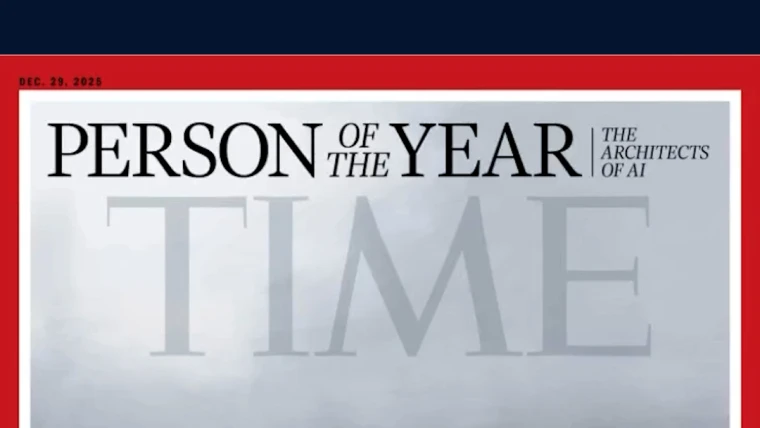
Who Are the ‘Architects of AI’?
The term ‘Architects of AI’ encompasses the researchers, engineers, and visionaries developing next-generation artificial intelligence. These individuals and teams are responsible for innovations in generative AI, machine learning, large language models, and autonomous systems that are reshaping global society.
The potential recognition by TIME acknowledges not just technological breakthroughs but also the influence these leaders have on ethics, policy, and the way humanity interacts with AI-driven tools.
Criteria for TIME Person of the Year
TIME’s annual selection is not strictly about personal achievement; it focuses on the individual, group, or idea that has most influenced events over the past year. Influence can be positive or negative, making the award uniquely reflective of global impact. ([time.com](https://time.com/person-of-the-year-2025/))
- Global impact on society, economy, and technology
- Shaping cultural, political, or scientific discourse
- Influence on daily life through innovation or policy
Potential Candidates in AI
While TIME has not announced official nominees, speculation points to several AI leaders:
- Founders of leading generative AI companies who have made AI accessible to millions
- AI ethicists advocating for responsible technology deployment
- Researchers advancing AI safety, regulation, and cross-disciplinary applications
Global Implications of AI Leadership
Recognition of the Architects of AI would highlight the dual nature of technological advancement: immense potential and associated risks. Artificial intelligence impacts labor markets, privacy, education, and even geopolitical dynamics, emphasizing the weight of responsibility carried by its creators.
Economic Impact
Generative AI tools have enabled new industries, boosted productivity, and driven investment, but have also raised concerns about automation-driven job displacement and market disruption.
Ethical and Regulatory Considerations
AI leadership carries moral obligations, from mitigating bias in algorithms to ensuring equitable access. TIME recognition would emphasize the global conversation around AI governance.
Public and Media Speculation
News outlets and tech commentators are actively discussing whether the award should recognize individual innovators or collective contributions. TIME has previously honored collectives, such as scientists during the COVID-19 pandemic, making the ‘Architects of AI’ a plausible recipient. ([time.com](https://time.com/person-of-the-year-2025/))
Internal Resources for Readers
- Guide X: Understanding Artificial Intelligence – Overview of AI development and key innovators.
- Blog Z: Technology Leadership 2025 – In-depth analysis of AI leaders shaping the global economy.
- Resources A: Ethics in AI – How ethical frameworks influence AI deployment.
- Tools B: AI Innovation Tracker – Track emerging AI companies and breakthroughs.
Authoritative External References
- TIME Magazine Person of the Year
- World Economic Forum: AI Insights
- United Nations AI Policy
- MIT Technology Review
Frequently Asked Questions
Who is TIME Person of the Year 2025 likely to be?
Speculation points to AI innovators and teams collectively dubbed ‘The Architects of AI,’ shaping the year’s technological landscape.
What does the title signify?
TIME Person of the Year recognizes the individual or group with the most influence, positively or negatively, on global events in the past year.
Has TIME previously awarded groups instead of individuals?
Yes, TIME has recognized collectives such as scientists, organizations, and even movements that impacted global society.
Why is AI so influential in 2025?
AI has rapidly transformed industries, communication, creative expression, and governance, making its creators highly impactful globally.
How does this recognition affect AI ethics and policy?
Highlighting AI innovators draws attention to responsible development, governance challenges, and ethical deployment worldwide.