


Seeking Asylum Complete 2025 Guide to Registration, Destination Choices, and Application
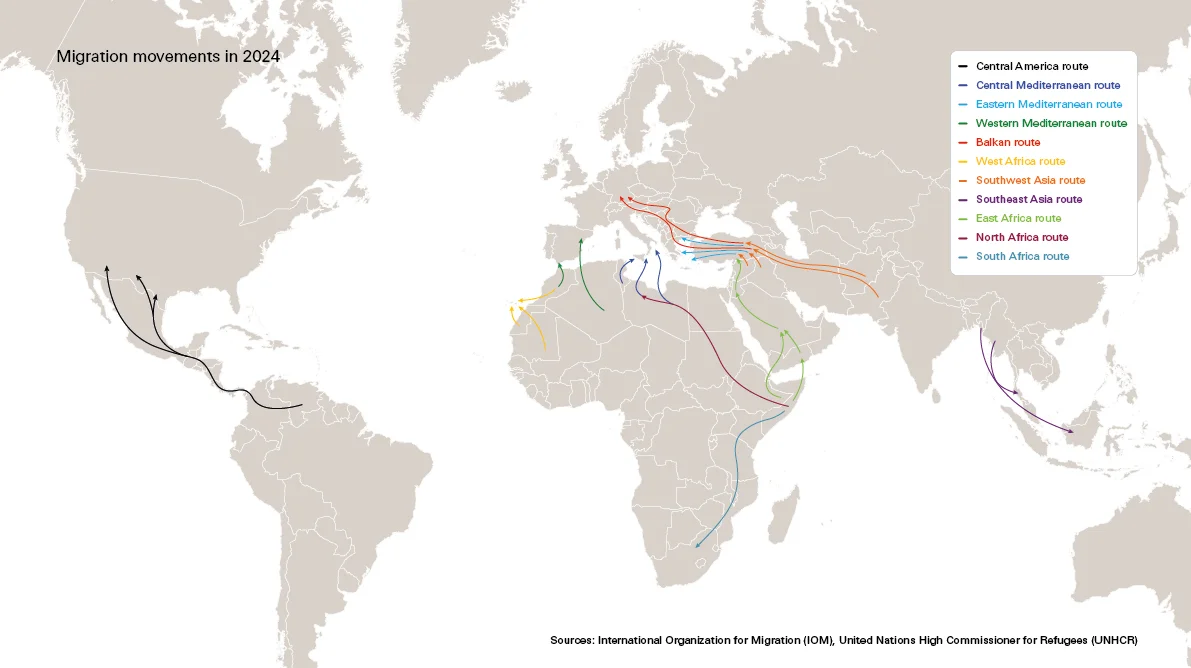
Global refugee movements highlight common routes and top hosting countries in 2025.
Essential Knowledge Before Seeking Asylum
Seeking asylum protects individuals with a well-founded fear of persecution based on race, religion, nationality, membership in a particular social group, or political opinion, as defined by the 1951 Refugee Convention.
You must typically be physically present in the host country or at its border to apply—there is no standard “asylum visa” for applications from abroad. In late 2025, global forced displacement remains high, with millions relying on asylum systems worldwide.
Deadlines are strict in many nations. For example, the United States requires applications within one year of arrival, though exceptions exist for changed circumstances. Processing times vary widely, often lasting months or years due to backlogs.
Prepare by collecting strong evidence: personal statements, medical records, witness testimonies, and reports on country conditions. Legal aid from NGOs or UNHCR significantly boosts success rates.
During the process, the principle of non-refoulement protects you from return to danger, and you may access basic rights like healthcare and shelter.
For more on refugee rights and protections, see our refugee resources page, which includes links to legal aid directories.
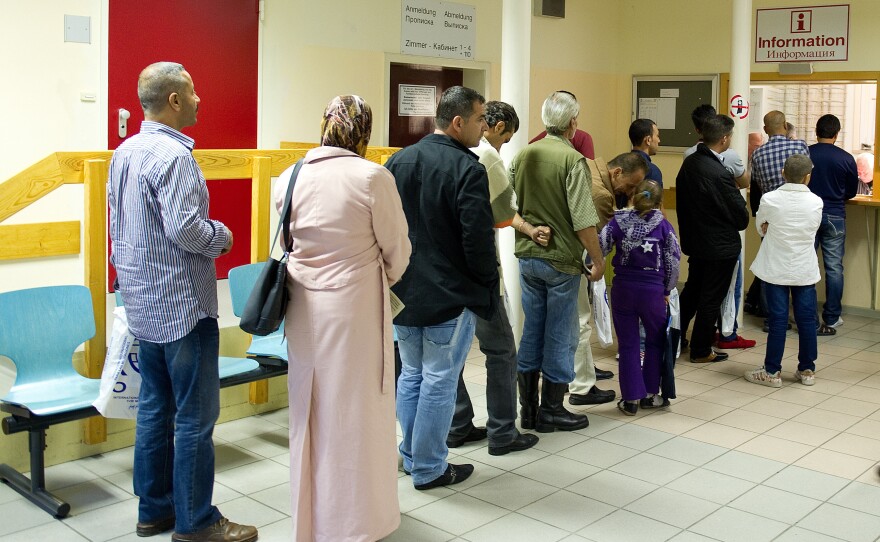
Asylum seekers often wait in lines during the initial registration phase.
How to Choose Where to Seek Asylum: Key Factors in 2025
Deciding on a destination often depends on accessibility, safety, and policy environments. Most refugees flee to neighboring countries, with low- and middle-income nations hosting the majority.
Top hosting countries in recent years include:
- Iran
- Turkey
- Colombia
- Germany
- Pakistan and Uganda
Consider these factors when seeking asylum:
- Proximity and routes: Safer, shorter journeys reduce risks.
- Family or community ties: Existing networks aid integration.
- Acceptance rates and policies: Research via UNHCR data; EU’s Dublin Regulation may mandate applying in the first entry country.
- Rights granted: Access to work, education, and healthcare varies.
- Current trends: Ongoing conflicts drive movements from regions like Sudan, Ukraine, and Venezuela.
UNHCR may facilitate resettlement for recognized refugees, but most apply directly upon arrival.
Explore country-specific asylum policies in our country asylum guides for detailed comparisons.
The Asylum Registration Process
Registration is usually the initial step, alerting authorities to your intent for protection. At borders, screenings assess initial credibility.
In many countries, national authorities manage registration; in others, UNHCR conducts Refugee Status Determination (RSD).
Steps typically include:
- Providing biographical details and travel history
- Fingerprinting and security checks
- Explaining reasons for fleeing
Successful registration provides temporary documentation, preventing deportation and granting access to aid like shelter and medical care.
Registration is free and voluntary through UNHCR. Act promptly to avoid delays from high volumes.
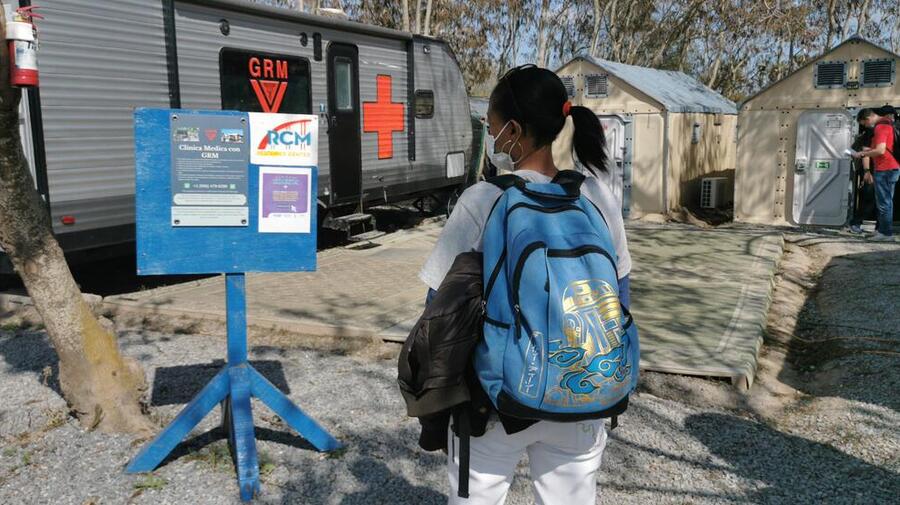
UNHCR and partners often handle registration in high-volume areas.
For step-by-step border procedures, check our asylum at borders blog.
How to Apply for Asylum: Step-by-Step Guidance
After registration, submit a formal application. Procedures differ by country:
In UNHCR-Managed Systems
Attend interviews detailing your persecution fears. Submit evidence and await RSD decision. Appeals are often available.
In National Systems (e.g., United States)
File appropriate forms with immigration authorities. Updates in recent years include enhanced border processing.
In the European Union
Policies continue to evolve with focus on fair distribution and border management.
General steps for seeking asylum:
- Gather evidence (affidavits, country reports)
- Attend interviews (prepare for detailed questioning)
- Receive decision—if approved, gain refugee status and rights
- If denied, appeal or explore alternatives like subsidiary protection
Challenges include trauma, language barriers, and backlogs. Free legal representation is crucial.

The asylum interview is a key stage where claims are assessed in detail.
Learn more about evidence preparation in our asylum evidence toolkit.
Preparing Evidence and Overcoming Challenges
Strong applications rely on credible evidence proving individualized risk. Include:
- Personal declarations
- Medical or psychological reports
- News articles or human rights documentation
- Expert statements
Overcome common hurdles:
- Seek translation services
- Access trauma-informed support
- Monitor policy changes via official sources
Approved refugees gain rights to stay, work, and pathways to citizenship. Integration support varies by host country.

Registered asylum seekers and refugees often receive essential aid and official documents.
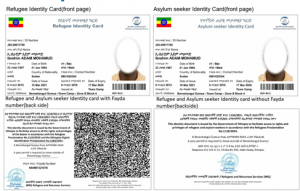
Recognized refugees receive official documentation granting protection.
For authoritative information:
- UNHCR Refugee Data Finder – Latest global statistics and trends.
- USCIS Asylum Page – U.S.-specific procedures.
- EU Migration and Asylum Policy – European trends and policies.
- UNHCR Global Trends Report – Comprehensive forced displacement analysis.
Related reading: legal aid services for asylum seekers.
Frequently Asked Questions
Who qualifies for asylum?
Individuals with a well-founded fear of persecution on protected grounds (race, religion, etc.). Claims are assessed individually.
Can I apply for asylum from outside the host country?
Generally no— you must be present or at the border. UNHCR resettlement is limited for recognized refugees.
How long does the asylum process take?
Varies widely: months in some systems, years in others due to backlogs. Check country-specific data.
What happens if my asylum application is denied?
Most systems allow appeals. Alternatives like subsidiary protection may apply.
Do asylum seekers have the right to work?
Depends on the host country—some allow immediate work rights, others after waiting periods.
Is seeking asylum free?
Yes, through UNHCR and most national systems. Beware of scams demanding payment.