Current State of Generative AI Adoption in Film Production
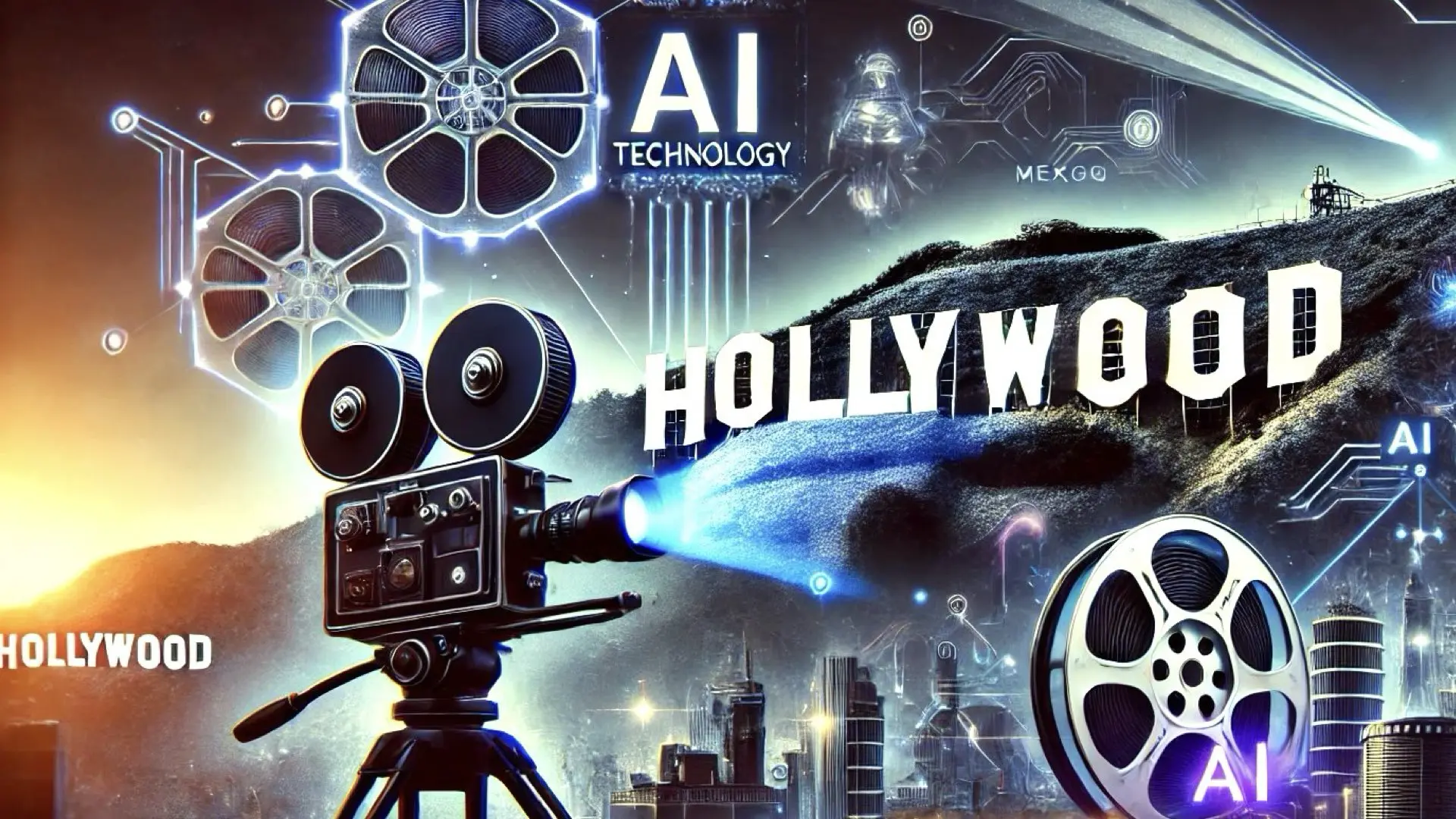
Generative AI integrates deeply into 2026 workflows—VFX houses use it for rapid iteration on environments, crowds, and effects; studios apply it to de-aging and cleanup. Tools accelerate pre-vis and post, cutting timelines dramatically.
Indie filmmakers pioneer ambitious projects with accessible platforms, producing near-final content on limited budgets. Tencent forecasts 10–30% of long-form film/animation heavily involving AI by year-end.
Mainstream features remain hybrid—AI augments rather than fully generates theatrical releases.
Key Innovations Driving Change in 2026
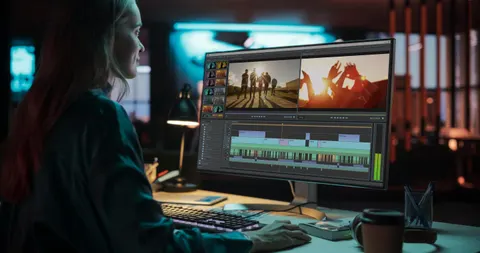
Video generation models like Sora 2 and Veo enable text-to-video and image-to-video—transforming storyboards, concepts, and rough assemblies. AI excels at repetitive VFX (rotoscoping, upscaling, simulation).
De-aging/digital replicas reach high fidelity for seamless youthening or posthumous performances. Indie creators gain unprecedented creative freedom and speed.
Operational AI streamlines scheduling, script analysis, and editing suggestions—boosting overall efficiency.
Job Disruption: Evidence and Projections
CVL Economics projected ~203,800 U.S. entertainment payroll jobs affected through 2026–2027, with ~118,500 in film/TV/animation (21.4% of roles)—primarily entry/mid-level VFX, animation, and support positions.
2026 sees measurable impact: reduced entry hiring, task automation in post-production, role consolidation. Freelancers add significant untracked exposure.
New roles emerge (AI prompt specialists, oversight positions)—but transition challenges persist, especially in high-cost production hubs.
Union Perspectives: SAG-AFTRA, WGA, and Ongoing Battles
2023 contracts secured consent/compensation for replicas and limits on AI scripts—yet 2026 expirations renew focus on stronger protections against unauthorized use and workforce erosion.
Unions emphasize ethical training data, minimum staffing, and preserving human creativity—fearing “soulless” output and declining middle-class careers.
Studios highlight augmentation benefits; unions demand governance to balance innovation with livelihoods.
Hype vs. Reality: Limitations in 2026
Output often shows artifacts, continuity issues, and emotional flatness—long clips struggle; theatrical-quality full features remain elusive. Directors stress irreplaceable human performance.
Hype around autonomous AI movies outpaces delivery—tools shine in support roles, not end-to-end artistry. Ethical risks (deepfakes, bias) fuel calls for watermarking and regulation.
Balanced Outlook: Opportunity, Risk, and Adaptation
Generative AI in movies 2026 is transformative augmentation—democratizing access, speeding production, enabling new voices—while posing valid disruption to certain roles.
Ethical frameworks, reskilling, and collaborative models will determine outcomes—prioritizing human intent ensures creativity endures alongside efficiency gains.
Frequently Asked Questions
Is generative AI replacing actors in 2026 movies?
No—replicas/de-aging require consent/compensation; core performances stay human, with AI in supporting VFX roles.
How many film jobs are disrupted by AI in 2026?
Estimates indicate ~118,500 U.S. film/TV/animation payroll jobs affected through 2026–2027—focused on entry/mid-level VFX and support, plus freelancers.
What generative AI tools are used in movies 2026?
Sora 2, Veo, Runway Gen-3 for video; Higgsfield/Leonardo for workflows; integrated VFX pipelines for effects and cleanup.
Are indie filmmakers benefiting from generative AI?
Significantly—indies produce ambitious work faster/cheaper, leading experimentation and expanding storytelling access.
Will AI make movies mediocre or soulless?
Risk exists with over-reliance—lacking nuance—but balanced use as a tool enhances human creativity rather than supplanting it.
What are unions doing about AI in Hollywood?
SAG-AFTRA/WGA secured 2023 protections; 2026 talks push stronger consent, compensation, and staffing safeguards amid ongoing concerns.