
Diaspora families thrive when support shifts from monthly handouts to long-term empowerment and shared planning.
Kenya received a record US$5.04 billion in diaspora remittances in 2025, according to the Central Bank of Kenya. While these flows provide vital foreign exchange and household support, unchecked regular transfers can create dependency that undermines motivation and self-reliance.
Learning how to support family in Kenya without creating dependency requires a deliberate shift from consumption-focused aid to investment in people and productive assets.
The Hidden Cost of Dependency
Regular remittances often cover daily expenses but discourage income-generating activities. Recipients may delay starting businesses, pursuing further education or seeking employment because the safety net feels permanent. Over time this erodes confidence, creates entitlement and strains the diaspora giver who feels trapped in an endless cycle.
Data from the Kenya National Bureau of Statistics 2025 Remittances Household Survey shows that many recipient households become less entrepreneurial when remittances are treated purely as income rather than capital.
Core Principles of Sustainable Family Support
- Focus on capacity over consumption – Fund skills, tools and opportunities instead of rent or groceries.
- Set clear expectations and timelines – Agree on milestones and review progress together.
- Promote accountability and matching contributions – Require the family to contribute sweat equity or savings.
- Build multiple income streams – Never rely on one person’s remittances as the sole lifeline.
7 Proven Strategies That Actually Work
1. Invest in Education and Skills Development
Pay school fees, vocational courses or online certifications directly to institutions. A UK-based engineer who sponsored his brother’s solar installation training in Kenya saw the brother launch a successful business within 18 months and now supports the wider family.
2. Provide Seed Capital for Businesses with Milestones
Give start-up funds in tranches tied to performance targets. Example: A nurse in Canada released KSh 150,000 for her sister’s poultry farm only after a business plan and first-month sales proof were submitted.
3. Encourage Savings and Group Investments
Match family savings or route part of your support into SACCOs and chama groups. This teaches discipline and multiplies impact through dividends and loans.

Family savings groups and SACCOs turn one-time support into growing, self-sustaining capital.
4. Fund Income-Generating Assets
Buy land, livestock, equipment or rental property in the family’s name but under joint decision-making. Ownership creates pride and ongoing income.
5. Transfer Skills and Mentorship Remotely
Use video calls to teach bookkeeping, marketing or digital skills. Many diaspora professionals now run weekly “family business school” sessions that cost nothing but deliver huge value.
6. Create Emergency and Health Funds
Set up a dedicated account for medical or crisis needs instead of ad-hoc transfers. This removes panic spending while keeping support available when truly required.
7. Schedule Regular Family Financial Meetings
Hold quarterly video calls to review budgets, celebrate wins and adjust plans. Transparency builds trust and prevents resentment on both sides.
Step-by-Step Guide to Transitioning Your Support
- Have an honest family conversation about current dependency patterns and shared goals.
- Conduct a joint needs assessment – education, business ideas, skills gaps.
- Agree on a 12–24 month transition plan with measurable milestones.
- Redirect 60–70% of current transfers into investments or training in the first year.
- Track progress monthly and celebrate small wins publicly.
- Adjust based on results – increase or reduce support as independence grows.
Real-World Success Stories from the Diaspora
Michael in Germany reduced monthly transfers by 40% after funding his mother’s tailoring shop and his nephew’s mechanics course. Within two years the shop generated enough profit to cover household expenses. The family now views him as a mentor rather than an ATM.
Grace in the USA helped her rural family start a dairy cooperative by providing initial cows and training. Today the cooperative employs 12 relatives and sends her regular dividends instead of asking for money.
Common Mistakes to Avoid
Never tie support to guilt or cultural pressure. Avoid vague “send whatever you can” arrangements. Do not fund lifestyle upgrades before income-generating capacity exists. Resist the urge to rescue every crisis – let natural consequences teach responsibility.

Digital tools make remote family financial planning transparent and collaborative.
Tools and Resources for Effective Support
Use M-Pesa, WorldRemit or Wise for targeted transfers with clear purpose notes. Leverage free platforms like Zoom for mentorship and Google Sheets for shared budgeting. The World Bank remittances data portal provides valuable context on national trends.
Future Outlook and Kenya’s Diaspora Policy
Kenya’s growing focus on diaspora engagement encourages productive use of remittances. With 2025 inflows crossing the US$5 billion mark, families that adopt structured approaches will benefit most from upcoming investment incentives and digital platforms.
Frequently Asked Questions
How do I start reducing monthly remittances without causing hardship?
Begin with a transparent family meeting, create a 12-month transition plan and redirect funds into education or business seed capital while maintaining a small emergency buffer.
Is it selfish to stop sending money every month?
No. True care means equipping your family for independence. Sustainable support strengthens relationships long-term instead of creating resentment or entitlement.
What if my family resists the change?
Start small with one project (education or a micro-business) and show results. Success stories within the family usually convince others faster than arguments.
How much should I reduce support each year?
Aim for 20–30% reduction annually as new income sources prove reliable. Never drop to zero suddenly – gradual, milestone-based reduction works best.
Can I still help during emergencies?
Yes. Maintain a separate emergency fund or insurance policy. This keeps support available for genuine crises without undermining daily responsibility.
Where can I find reliable partners for business investments in Kenya?
Work with SASRA-regulated SACCOs, reputable microfinance institutions or trusted family accountants. Always verify projects in person or through reliable local contacts.

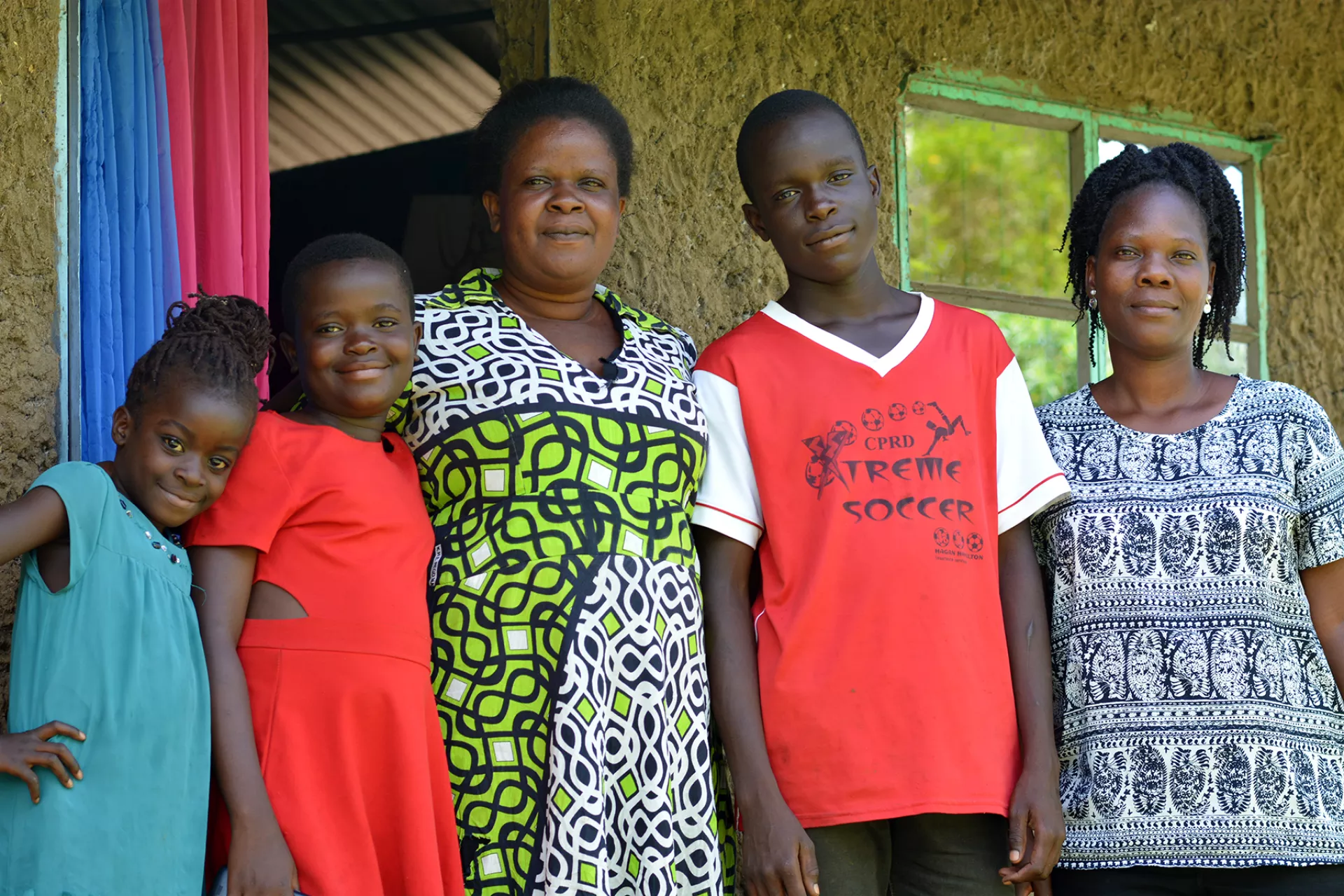
Empowered families achieve financial independence and stronger bonds with diaspora relatives.
Supporting your family in Kenya is an act of love. Doing it in a way that builds independence is an act of wisdom. Start with one strategy today – your family’s future self-reliance will be the greatest return on your investment.