The global supply chains shift is accelerating in 2026. Developing economies now stand at a key turning point. Trade flows move away from traditional China-centered models toward new hubs in ASEAN countries, Latin America, Africa, and South Asia.
High tariffs, geopolitical tensions, and the push for stronger resilience drive these 2026 trade realignments. They create both big opportunities and serious risks for nations in the Global South. Policymakers, businesses, and investors need clear insights to navigate this new world of commerce.
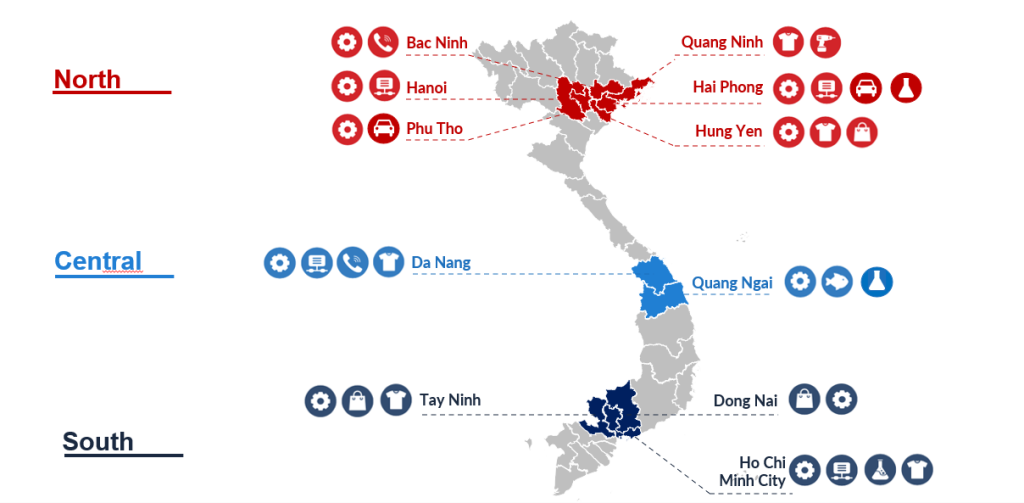
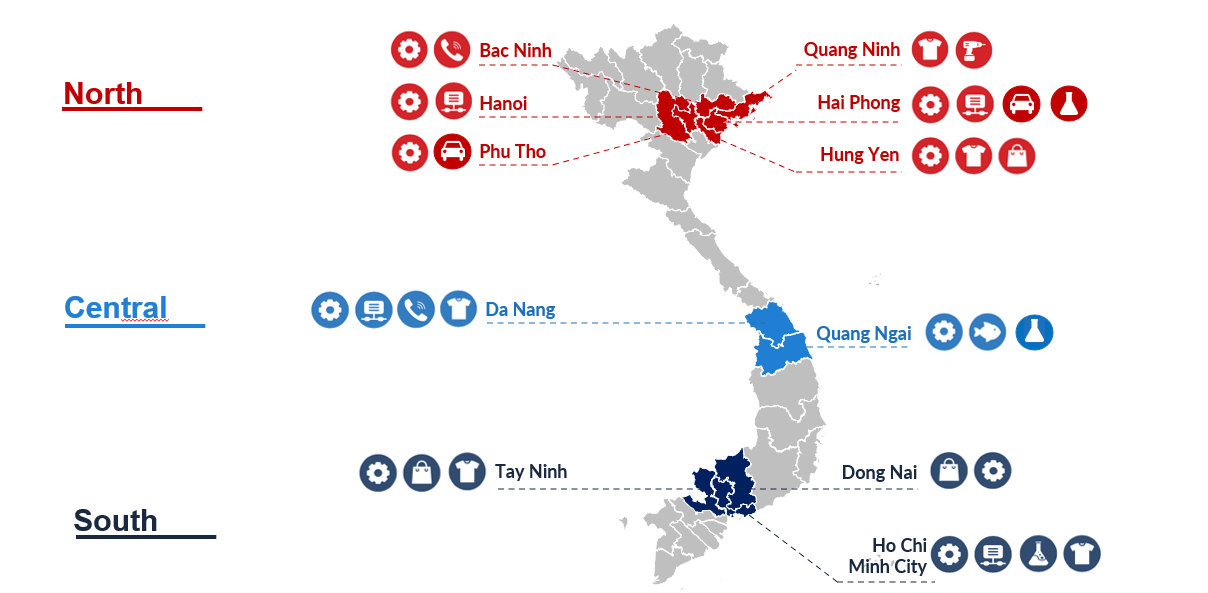
This map highlights the global supply chains shift in 2026, with new manufacturing growth in Vietnam, India, and Mexico due to ongoing trade tensions.
What Drives the Global Supply Chains Shift in 2026?
Several forces power the current changes. First, U.S. tariffs remain high. They have cut U.S.-China trade significantly and forced importers to find new suppliers. As a result, over $165 billion in trade has moved to alternative countries.
Second, geopolitical issues encourage friendshoring. Companies now prefer partners that share similar values or sit closer to home. Third, past disruptions like COVID-19 and shipping crises taught firms to value resilience over pure low-cost sourcing. Many now follow “China + N” strategies to spread risk across several locations.
These steps make supply chains shorter and more secure. However, they also raise costs in some areas. Overall, the shift favors regional blocs instead of one global model.
Main Patterns in 2026 Trade Realignments
The global supply chains shift shows three clear trends: regionalization, nearshoring, and friendshoring. Production now organizes around geopolitical groups rather than lowest costs alone. Mexico has grown fast as a nearshoring center for North America. Vietnam and India have gained ground in electronics, textiles, and pharmaceuticals.
Businesses report frequent changes. Many adjust sourcing, renegotiate contracts, or move production closer to markets. This approach trades some efficiency for better security and faster delivery.
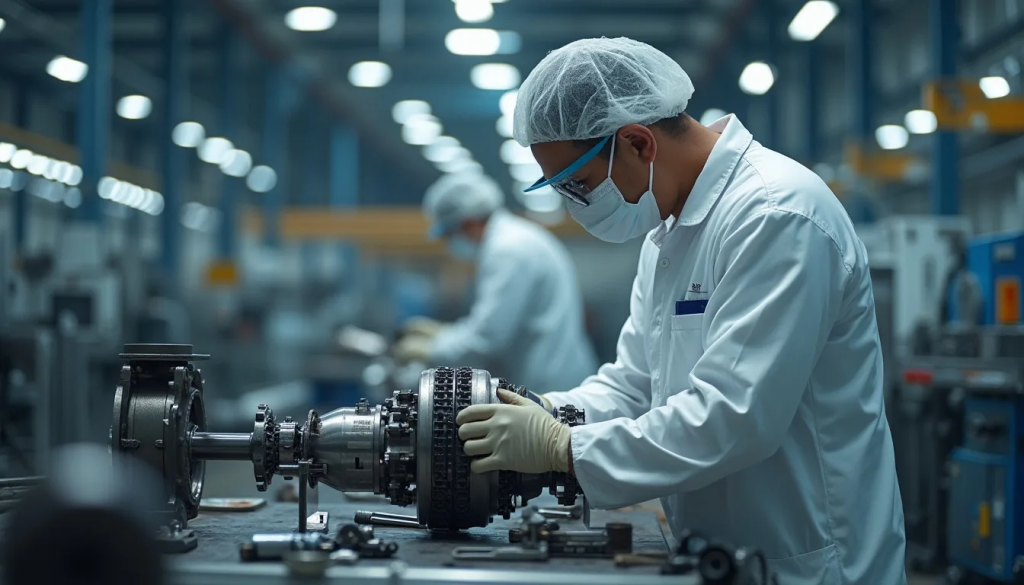
A modern factory in Mexico benefits from nearshoring trends during the 2026 trade realignments.
Opportunities Created for Developing Economies
Many developing countries are gaining from the global supply chains shift. Mexico has attracted strong foreign investment in automotive, aerospace, and electronics sectors. New projects focus on states like Nuevo León and Guanajuato. Vietnam has seen solid export growth in smartphones and components.
India recorded notable increases in smartphone exports and positions itself as a reliable hub. Other nations in Latin America and Africa draw interest in minerals processing and light manufacturing. South-South trade also grows faster than global averages, opening fresh regional links.
When countries invest wisely in skills, logistics, and rules, these shifts bring jobs, technology, and infrastructure gains.
Challenges Facing Developing Nations
Not every country benefits equally. Smaller or landlocked nations may lose out if they lack good infrastructure or political alignment. Diversified sourcing can raise input costs and squeeze profits. Competition among emerging markets may also push prices lower in labor-heavy industries.
Global forecasts show developing-economy growth around 4 percent in 2026 amid ongoing tensions. Nations that depend heavily on Chinese goods or miss key trade deals risk export drops. Green transition rules add extra compliance costs that smaller economies find hard to handle.
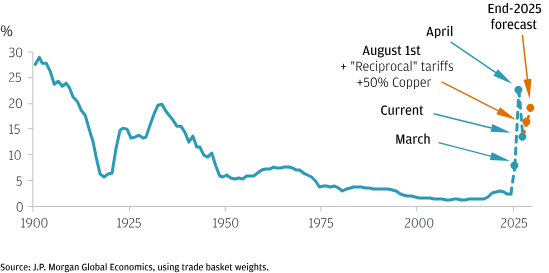
This chart shows how tariffs influence logistics, pricing, and supply chains in the 2026 global supply chains shift.
Real Examples from Around the World
Mexico offers a strong success story. It has welcomed dozens of new investment projects in key industries. Vietnam uses its ASEAN ties and trade deals to become a top choice for electronics work. India supports its semiconductor and pharma sectors with targeted policies.
These cases prove that clear industrial strategies, stable governance, and infrastructure upgrades turn trade changes into lasting benefits.
How Developing Economies Can Succeed
Countries should follow four main steps to thrive in the global supply chains shift. First, build stronger regional trade deals and South-South ties. Second, invest in digital tools, worker training, and green practices to meet buyer demands. Third, simplify rules to attract foreign investment. Fourth, spread export markets to avoid over-reliance on one partner.
Reforming global trade systems can help ensure fair inclusion for all developing nations.
Learn more from UNCTAD on reforming global trade rules and recent McKinsey updates on trade geometry.
Looking Forward to the Future
The global supply chains shift in 2026 marks a lasting change from past hyper-globalization. Trade growth slows overall, but production and investment spread across more poles. Developing economies that act quickly—by upgrading infrastructure, forming smart partnerships, and building human skills—can gain the most.
The next few years will show which nations turn short-term trade moves into long-term, inclusive progress. For leaders across the Global South, 2026 opens a strategic window filled with both tests and possibilities.
Frequently Asked Questions
What causes the global supply chains shift in 2026?
High U.S. tariffs, geopolitical tensions, and the need for resilient supply chains are the main reasons. Firms now diversify away from heavy China reliance toward regional and friendshored options.
How does nearshoring help countries like Mexico?
Nearshoring brings new factories, jobs, and technology. Mexico gains from proximity to the U.S. market and favorable trade rules, which boost manufacturing and exports.
Which developing countries benefit most from 2026 changes?
Vietnam, India, and Mexico lead the gains through higher exports and investment. ASEAN nations and selected Latin American countries also capture redirected production.
What problems do smaller developing economies face?
They risk being left out of new networks. Without strong infrastructure or alliances, they may see higher costs and weaker market access.
How can developing countries prepare for trade changes?
They should focus on skills training, better infrastructure, regional agreements, and sustainable methods. These steps make them attractive to global buyers and investors.
Will global trade keep growing despite the shifts?
Yes, but at a slower rate. Forecasts point to around 2 percent annual growth for goods trade in 2026, with stronger regional flows helping to balance the picture.