


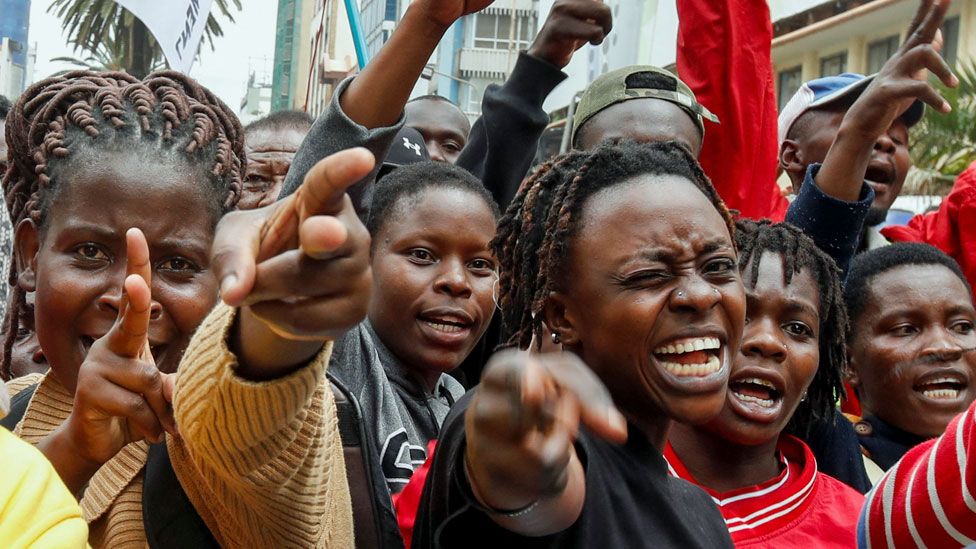
Youth movements are redefining political influence in 2026. Gen Z activists organize massive protests, form new parties, and demand real change on issues like corruption, inequality, and climate action. Their decentralized, digital-first approach challenges old power structures and forces policymakers to listen.
This power vs policy tension defines the year. Street actions create immediate pressure, yet turning that energy into concrete reforms remains difficult. Young people worldwide show both the strength and the limits of protest-driven politics in a fragmented global landscape.
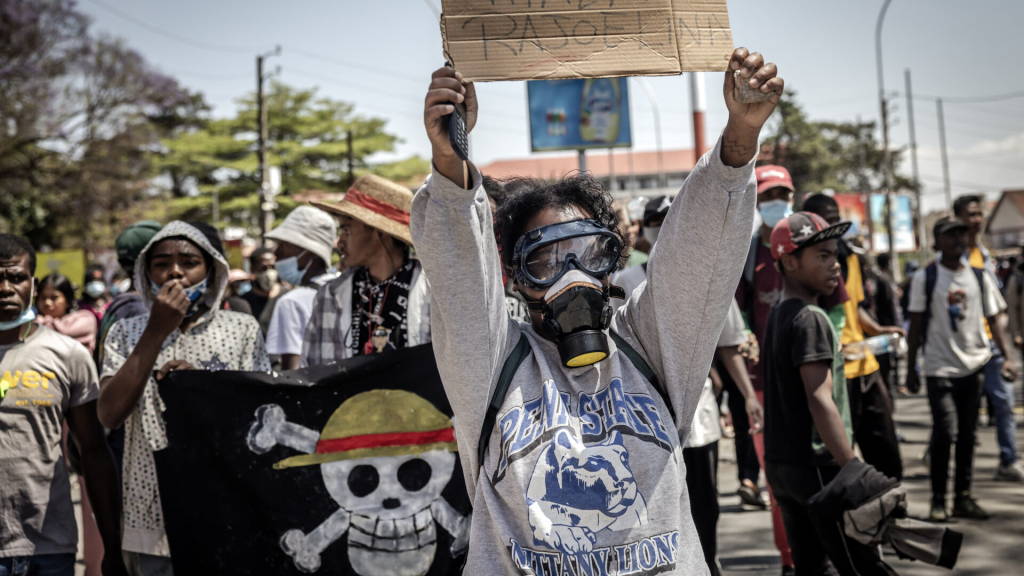
Young demonstrators take to the streets in a 2025-2026 wave of youth movements that have toppled governments and reshaped political debates across Asia and beyond.
Why Youth Movements Gained Momentum in 2025-2026
Several factors fuel the rise. Economic precarity hits young people hard with high living costs, job insecurity, and limited opportunities. Many feel excluded from decision-making despite making up a large share of the population. Corruption scandals and governance failures add fuel to widespread frustration.
Digital tools amplify voices. Social media platforms allow rapid organization without traditional leaders. This leaderless style helps movements spread quickly and survive repression. However, it also makes sustained negotiations with authorities more complex.
Global examples highlight the trend. In Bangladesh, student protests over job quotas grew into a national movement that forced a long-ruling leader to step down. Similar uprisings occurred in Nepal, where outrage over restrictions led to government changes, and in other nations facing dynastic or corrupt rule.
Power Through Protest: Successes and Shortcomings
Youth movements excel at disruption. They have ousted leaders in several countries and placed issues like anti-corruption and democratic reform at the center of national conversations. In some cases, protesters joined transitional governments or launched their own political parties.
Yet challenges persist. Decentralized structures help avoid targeting but hinder unified agendas. After initial victories, movements sometimes struggle to fill power vacuums or translate demands into detailed policies. Governments respond with repression in some places or limited concessions in others.
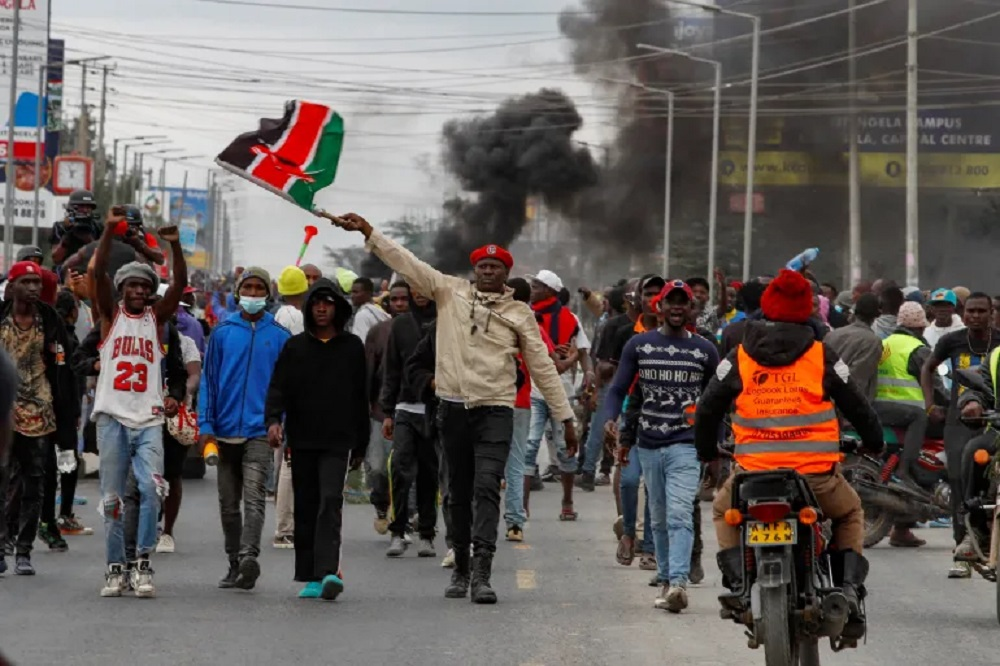
Overview of key regions where youth movements have challenged traditional power structures and pushed for policy reforms in 2025-2026.
From Streets to Institutions: The Shift Toward Policy Influence
Many activists now focus on long-term strategies. In Bangladesh, students formed a new party to contest future elections and draft constitutional reforms. In Nepal, youth groups engage in dialogue with authorities on governance and reconstruction.
Electoral successes show potential. Young voters played decisive roles in races like New York City’s 2025 mayoral contest, where direct appeals to youth issues delivered strong turnout and victory margins. Surveys indicate growing interest among young people in running for office themselves.
Still, gaps remain. Youth hold few parliamentary seats globally despite their demographic weight. Bridging protest energy with institutional politics requires new skills in coalition-building and policy development.
Global Patterns and Regional Differences
Asia has seen intense activity with protests in Bangladesh, Nepal, and beyond. Latin America and Africa show parallel trends around economic justice and anti-authoritarianism. In Europe and North America, youth focus more on climate, social justice, and institutional reform through both activism and voting.
Common threads include demands for inclusion and transparency. Differences arise in context—repression in autocratizing states versus opportunities in democracies. Cross-border solidarity via online networks strengthens the overall movement.
Experts note that while youth can topple regimes, building strong democratic institutions needs broader alliances and sustained engagement.
Challenges Ahead for Youth Movements
Repression remains a serious risk in many countries. Leaderless models complicate long-term planning. Heterogeneous demands can dilute focus when negotiating with power holders.
Another hurdle involves translating visibility into votes and seats. Young people often distrust traditional parties, yet formal politics still shapes policy outcomes. Balancing radical energy with pragmatic governance poses an ongoing test.
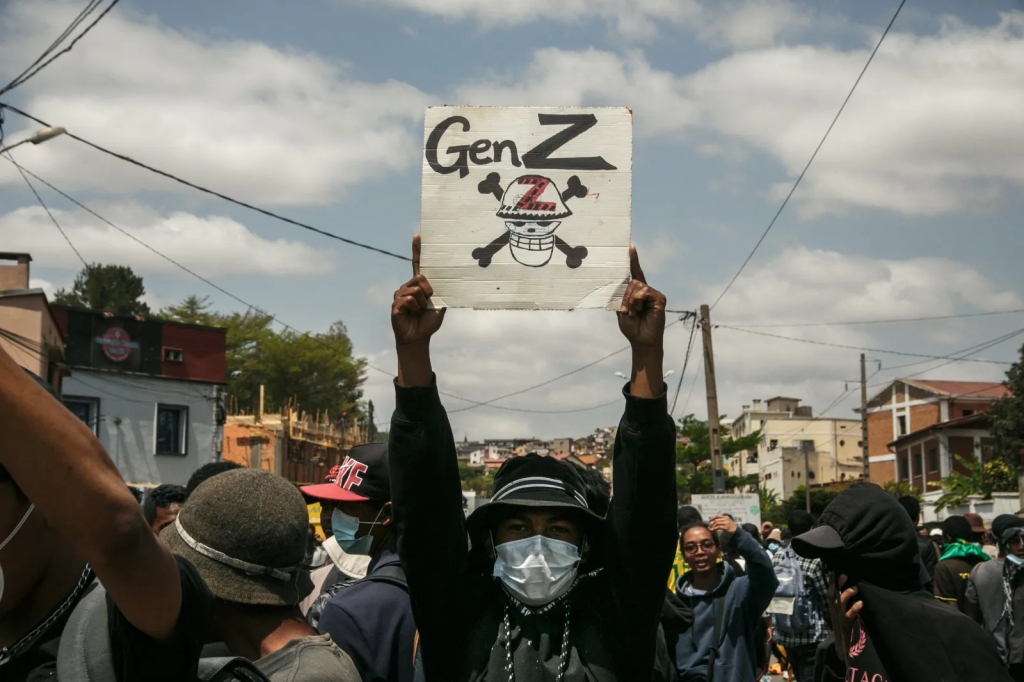
Gen Z leaders discuss strategies to convert protest power into lasting policy changes during global youth forums in 2026.
Strategies for Lasting Political Influence
Successful movements combine disruption with institution-building. Key steps include forming alliances with civil society and reform-minded politicians, developing clear policy platforms, and investing in youth leadership training.
Governments that engage proactively gain legitimacy and fresh ideas. Ignoring or suppressing youth demands risks repeated cycles of unrest. Inclusive reforms—such as lowering barriers to political participation—can channel energy constructively.
International frameworks, like the Youth, Peace, and Security agenda, offer models for meaningful inclusion.
The Road Ahead in 2026 and Beyond
Youth movements are redefining political influence by proving that power no longer flows only from traditional institutions. Their ability to mobilize quickly forces policy conversations on issues long sidelined.
The coming months will test whether 2026 becomes a year of deeper integration or renewed confrontation. For democracies to thrive, they must create space for young voices in both protest and policy arenas. The future of governance may depend on how well societies bridge this power vs policy divide.
Frequently Asked Questions
What are the main drivers behind youth movements in 2026?
Economic hardship, corruption, political exclusion, and climate concerns drive young people to act. Digital connectivity allows fast mobilization across borders.
Have youth protests succeeded in changing governments?
Yes, in several cases such as Bangladesh and Nepal, where Gen Z actions contributed to leadership changes and transitional arrangements. However, sustaining reforms proves more difficult.
How do youth movements differ from traditional political parties?
They often operate in decentralized, leaderless ways using social media. This creates rapid growth but can limit structured policy development and negotiations.
Can youth activism lead to lasting policy changes?
It can when movements build alliances, enter formal politics, and develop detailed agendas. Examples include new youth-led parties and increased electoral participation.
What challenges do young activists face in gaining political influence?
Repression, lack of institutional experience, and difficulty converting protest energy into governance roles are common hurdles. Building broad coalitions helps overcome them.
How can governments respond effectively to youth movements?
By engaging constructively, lowering participation barriers, and including young people in decision-making. Proactive dialogue reduces unrest and improves policy outcomes.