



Many new traders ask one urgent question: how much money to start trading forex? Brokers often advertise accounts that open with $10, $50 or $100, creating the impression that almost anyone can begin immediately.
The truth is more nuanced. While you can open an account with a tiny deposit, trading successfully and surviving long enough to improve requires a realistic starting capital, strict risk management, and a clear understanding of costs that most beginners overlook.
The Broker Minimum vs. The Real Starting Capital
There is a big difference between the lowest amount a broker will accept and the amount that gives you a fighting chance. Did you know that many regulated brokers allow accounts to open with less than $100?
Yet experienced educators almost never recommend starting with the absolute minimum. The hidden cost of trading with too little capital is that every loss feels massive and every decision becomes emotional.
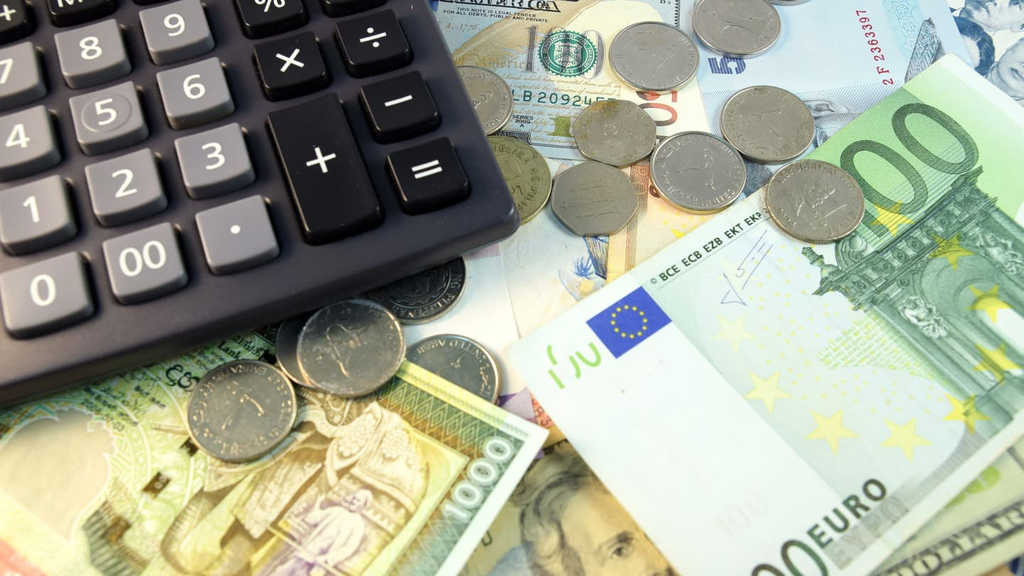
Broker minimum deposits are not the same as practical starting capital.
What Brokers Typically Require
Deposit requirements vary widely:
- Some online brokers accept $1–$50 for micro or cent accounts
- Many popular platforms set the floor at $100–$200
- Traditional or higher-tier brokers may require $500–$2,000 or more
These figures only tell you the entry ticket. They say nothing about whether you can follow proper risk rules once the market starts moving against you.
The Risk-Management Reality Check
Professional risk guidelines suggest risking no more than 1% of your account on any single trade. Some conservative traders stay at 0.5%.
If you deposit only $100 and risk 1%, your maximum loss per trade is $1. With micro lots this is possible, but the profit potential is equally tiny. One or two losses in a row can wipe out a large percentage of a tiny account and destroy confidence.
This is the shocking truth many beginners discover after a few weeks: small capital forces either oversized risk or almost zero progress.
Recommended Starting Amounts by Goal
Absolute Beginners Testing the Waters
$200–$500 allows micro-lot trading while still giving a small cushion. You can practice position sizing and stop-loss placement without immediate pressure to deposit more.
Serious Learners Building a Foundation
$1,000–$2,500 is a common range recommended by many educators. At this level you can risk 1% comfortably, trade mini lots when appropriate, and absorb a string of small losses without emotional damage.
Traders Aiming for Meaningful Income
$5,000 and above provides more flexibility, better risk-reward execution, and the ability to diversify across a few pairs. This is not a requirement, but it reduces the pressure that comes with under-capitalization.

The 1% risk rule becomes realistic only when your account has enough cushion.
Hidden Costs That Increase the Real Amount Needed
Beyond the deposit, several factors quietly raise the capital you should have ready:
- Spreads and commissions that reduce net profit on every trade
- Overnight swap or financing fees on positions held past the daily rollover
- Possible withdrawal fees or inactivity charges
- The psychological need for a buffer so one bad week does not force you to stop trading
The untold truth is that traders who start with the absolute minimum often end up depositing more money after early losses. Planning for a realistic total from the beginning is usually cheaper and less stressful.
Leverage Makes Small Accounts Look Larger — and More Dangerous
High leverage lets a $200 account control positions worth thousands of dollars. This is both the attraction and the danger of forex.
With 50:1 or 100:1 leverage, a small account can open trades that move the equity by 5–10% in a single day. Did you know that many new traders lose their entire first deposit within the first month precisely because leverage amplified normal market noise into account-threatening moves?
Lower leverage combined with adequate capital is almost always safer for beginners.

High leverage on a tiny account turns normal volatility into extreme risk.
Micro and Cent Accounts: A Practical Bridge
If your available capital is limited, micro-lot or cent accounts offer a useful middle path. You can trade with very small position sizes while still experiencing real market conditions and real spreads.
These account types let you practice the exact same process you will later use with larger capital: calculating position size, placing stop losses, and managing risk as a percentage of the account. Many successful traders began this way and scaled up only after proving consistency.
A Simple Formula for Your Personal Minimum
Use this practical approach to decide how much money to start trading forex:
- Decide the maximum percentage you will risk per trade (ideally 0.5–1%).
- Determine the average stop-loss distance in pips for the pairs you plan to trade.
- Calculate the dollar value of that stop-loss distance at the lot size you intend to use.
- Work backwards to find the account size that keeps the risk at your chosen percentage.
- Add a buffer of at least 20–30% for drawdowns and unexpected costs.
This method removes guesswork and replaces it with a clear number based on your own risk tolerance.
What Successful New Traders Actually Do
Traders who survive the first year usually share several habits related to capital:
- They start with more than the broker’s absolute minimum
- They treat the first three to six months as education, not income generation
- They keep a separate emergency fund so trading losses never affect daily life
- They increase capital only after a verified period of consistent results
The secret is not finding the lowest possible deposit. The secret is matching capital to a sustainable risk plan.

Moving from demo to live trading works best when capital matches your risk rules.
Demo First, Capital Second
Before depositing any real money, spend serious time on a demo account. Use the exact position sizes and risk percentages you plan to use later. Only when you can follow your rules for several weeks without major emotional swings should you fund a live account.
This step alone prevents the majority of early blow-ups that come from under-capitalization combined with inexperience.
Final Thoughts and Next Steps
So how much money to start trading forex the smart way? For most people the practical range sits between $500 and $2,500, depending on risk tolerance and goals. Less is possible with micro lots, but the emotional and statistical pressure rises quickly.
Choose a regulated broker, open a demo, practice the 1% rule until it feels natural, then fund an account that actually supports your risk plan. Protecting capital is the first skill every lasting trader masters.
Ready to begin the right way? Calculate your personal minimum using the formula above, open a demo account this week, and commit to risking only a fraction of your capital on any single trade. Your future results will thank you.
Frequently Asked Questions
Can I start trading forex with $100?
Yes, many brokers allow it. However, proper 1% risk management becomes very restrictive, and the account has little room for normal losing streaks. Most educators consider $100 suitable only for pure practice with micro lots.
Is $500 enough to start trading forex?
$500 is a reasonable starting point for many beginners using micro lots and strict risk rules. It provides a small cushion while you gain experience.
Do I need thousands of dollars to make real money?
Not necessarily at the beginning. Consistent small gains on a well-managed account can be scaled later. The priority in the first stage is survival and skill, not large income.
What is the biggest mistake with small capital?
Risking too high a percentage of the account on each trade. This turns normal market noise into account-threatening losses and is the most common reason tiny accounts disappear quickly.
Should I use high leverage if my account is small?
No. High leverage on a small account multiplies both gains and losses. Lower leverage combined with correct position sizing is safer while you are learning.
How long should I stay on a demo account?
Stay on demo until you can follow your written trading plan and risk rules for at least several weeks with consistent results. Only then move to live capital.
For additional guidance on risk and position sizing, review educational material from trusted sources such as BabyPips and the risk-management sections on Investopedia.