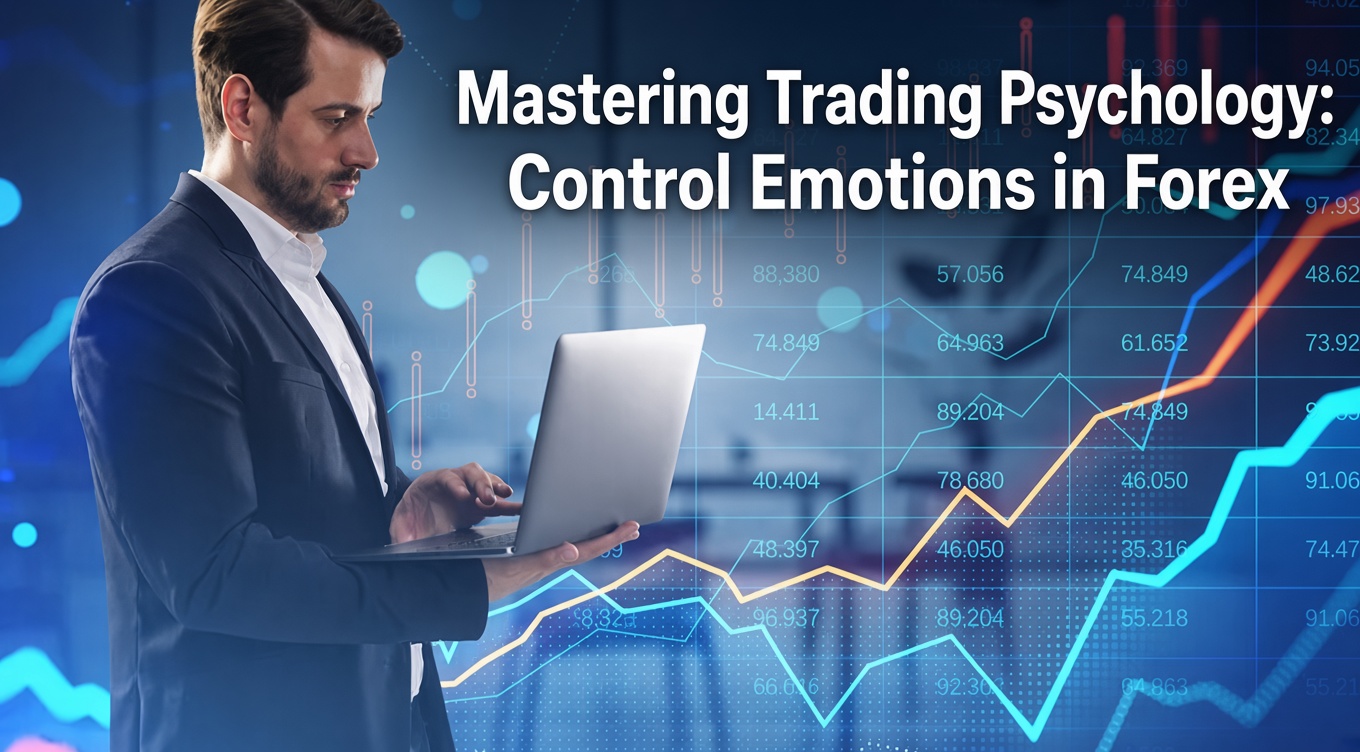
Many traders spend years searching for the perfect strategy, yet the real difference between success and failure often comes down to mastering trading psychology. Charts and indicators matter, but the ability to control emotions under pressure decides whether those tools produce profits or losses.
This guide explains the most common emotional traps in forex and gives practical, repeatable methods so you can stay disciplined when the market tests your patience and confidence.
Why Psychology Matters More Than Most Strategies
A solid strategy can still lose money if the trader cannot follow it. Fear causes early exits from winning trades. Greed keeps positions open too long. Revenge trading after a loss often leads to even larger setbacks.
Did you know that many professional traders say their biggest improvements came from working on mindset rather than adding new indicators? Mastering trading psychology turns a decent approach into a sustainable one.

Emotional discipline is the foundation of consistent trading performance.
The Most Common Emotional Traps
Fear of Missing Out (FOMO)
Seeing a strong move and jumping in late usually leads to poor entries. The urge to participate overrides the trading plan.
Fear of Loss
This emotion causes traders to close winning positions too early or avoid valid setups after a recent loss.
Greed
Greed pushes position sizes higher and keeps trades open past logical profit targets, often turning winners into losers.
Revenge Trading
After a loss, the desire to “get even” leads to impulsive trades that ignore risk rules. This is one of the fastest ways to damage an account.

Recognizing these emotional patterns is the first step toward controlling them.
Practical Techniques for Emotional Control
1. Use a Written Trading Plan
A clear plan removes most real-time decision making. When rules are predefined, emotions have less room to interfere.
2. Risk Only a Small Percentage Per Trade
Risking 0.5% to 1% of the account keeps any single loss manageable. Smaller risk reduces the emotional intensity of each trade.
3. Set a Daily Loss Limit
Decide in advance the maximum amount you are willing to lose in one day. When that limit is reached, stop trading. This simple rule prevents spiral losses.
4. Keep a Trading Journal
Record not only the technical details but also your emotional state before, during, and after each trade. Patterns become visible over time.
5. Practice Mindfulness and Breathing
Short breathing exercises or a brief pause before entering a trade can interrupt emotional reactions and restore clarity.

A detailed journal reveals emotional patterns that charts alone cannot show.
Building Long-Term Mental Resilience
Mastering trading psychology is not a one-time achievement. It is a continuous practice. Successful traders treat their mental game with the same seriousness they give to technical analysis.
Key habits that support resilience include:
- Regular review of both winning and losing trades
- Accepting that losses are a normal part of the process
- Focusing on process goals rather than daily profit targets
- Taking scheduled breaks away from the screen
- Maintaining physical health through sleep, exercise, and nutrition
The shocking truth is that many accounts are destroyed not by bad analysis but by the inability to stay calm after two or three consecutive losses.
How to Handle a Losing Streak
Losing streaks test psychology more than any other situation. The best response is usually the simplest:
- Stop trading for the rest of the day or session
- Review the trades against the written plan
- Reduce position size temporarily if needed
- Return only when emotional balance is restored
Trying to trade through strong negative emotions almost always makes the situation worse.
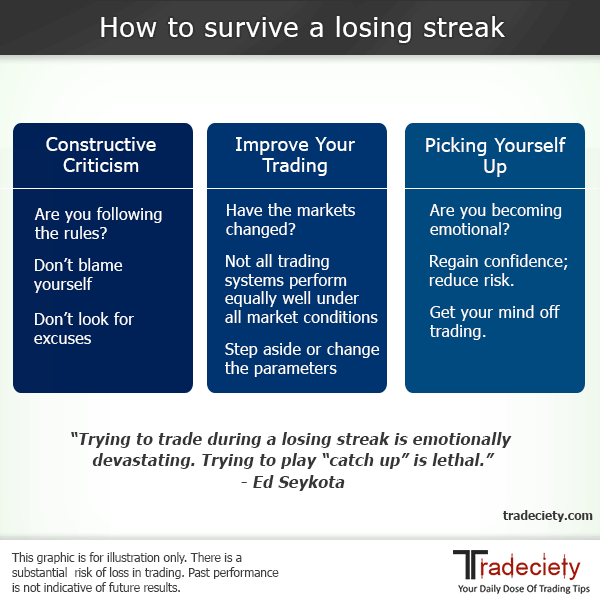
Stepping back during emotional periods protects both capital and confidence.
The Role of Demo Practice in Psychology Training
Demo accounts are valuable not only for testing strategies but also for practicing emotional responses. Treat demo trading with the same seriousness as live trading. Follow the exact risk rules and journal every decision.
When the process feels automatic on demo, the transition to live capital becomes smoother because the emotional habits are already formed.
Final Thoughts and Next Steps
Mastering trading psychology is the skill that allows every other part of trading to work. Technical knowledge without emotional control produces inconsistent results. Emotional control without a solid method also falls short. The combination creates lasting progress.
Start with one or two techniques from this guide. Write your rules, risk small, journal honestly, and review weekly. Over time these habits compound into a calmer, more consistent approach to the markets.
Ready to strengthen your mental edge? Open your trading journal today, write down your current emotional triggers, and commit to applying one new discipline rule for the next 10 trades.
Frequently Asked Questions
What is the biggest emotional problem in forex trading?
Revenge trading after losses and the inability to accept small losses are among