Crypto security is no longer optional. As digital assets become more valuable and widely used, protecting your coins requires informed decisions and consistent security practices.
Why Crypto Security Matters More in 2026
The growth of decentralized finance, tokenized assets, and global crypto adoption has expanded the attack surface for cybercriminals. Hackers now combine technical exploits with psychological manipulation to target users directly.
Unlike traditional finance, crypto transactions are irreversible. This makes prevention the most important defense.
Protect Your Coins with the Right Wallet Strategy
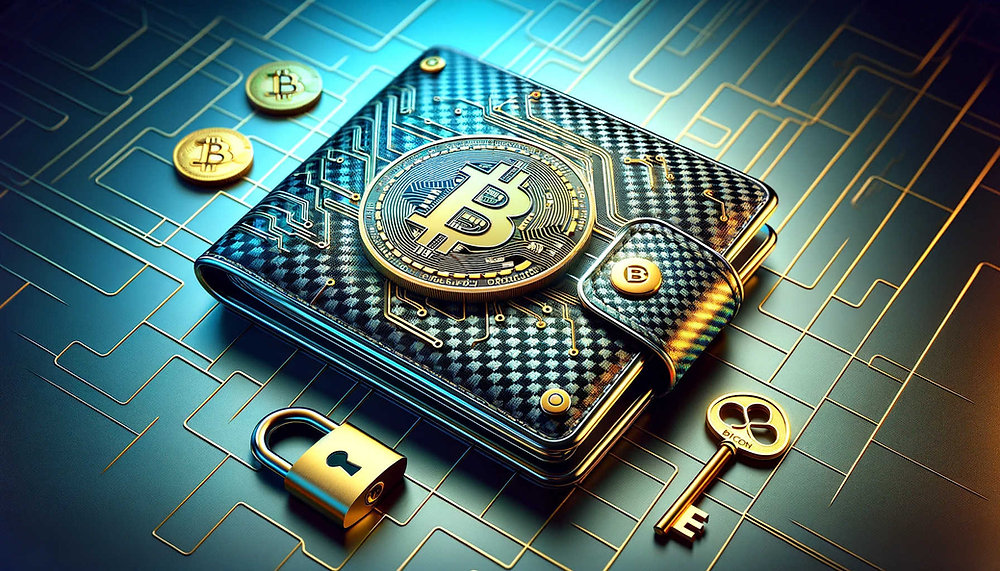
Choosing where and how you store your cryptocurrency is the foundation of crypto security.
Use Hardware Wallets for Long-Term Storage
Hardware wallets keep private keys offline, making them highly resistant to online attacks. They are best suited for long-term holdings.
Separate Hot and Cold Wallets
Use hot wallets only for daily transactions and keep larger balances in cold storage. This limits potential losses.
How to Secure Crypto on Exchanges
Exchanges are common targets for hackers and internal failures. Reducing exposure is critical.
Enable Strong Account Protection
- Use unique, long passwords
- Enable two-factor authentication with an authenticator app
- Disable SMS-based authentication when possible
Limit Funds Held on Exchanges
Keep only the amount you need for trading on exchanges. Withdraw excess funds to personal wallets regularly.
Recognize and Avoid Crypto Scams
Scams remain the leading cause of crypto losses. Attackers often impersonate trusted platforms or individuals.
Common Scam Types in 2026
- Phishing emails and fake login pages
- Impersonation on social media
- Malicious wallet approvals
- Fake giveaways and investment schemes
Never click unknown links or share private keys or recovery phrases.
Protect Your Private Keys and Recovery Phrases
Your private keys and seed phrases are the ultimate access to your crypto. Anyone who has them controls your funds.
- Store seed phrases offline only
- Use secure physical storage
- Never enter seed phrases on websites or apps
Reduce Risk from Exchange Failures
Exchange collapses and freezes have highlighted the importance of self-custody.
Diversify Across Platforms
Avoid relying on a single exchange. Spreading activity reduces exposure to platform-specific failures.
Monitor Withdrawal and Policy Changes
Unexpected withdrawal limits or policy updates can signal trouble. Act early when warning signs appear.
Advanced Crypto Security Practices
Experienced users can further reduce risk through advanced measures.
- Use dedicated devices for crypto activity
- Verify smart contract permissions regularly
- Keep operating systems and firmware updated
Frequently Asked Questions
Is keeping crypto on an exchange safe?
It carries risk. Self-custody offers greater control and security for long-term holdings.
What is the safest wallet type?
Hardware wallets provide the strongest protection against online threats.
Can stolen crypto be recovered?
In most cases, no. Transactions are irreversible, making prevention essential.
Are mobile wallets secure?
They are convenient but should only be used for small balances.
Do hardware wallets prevent all hacks?
They reduce risk significantly but still require careful handling of recovery phrases.